
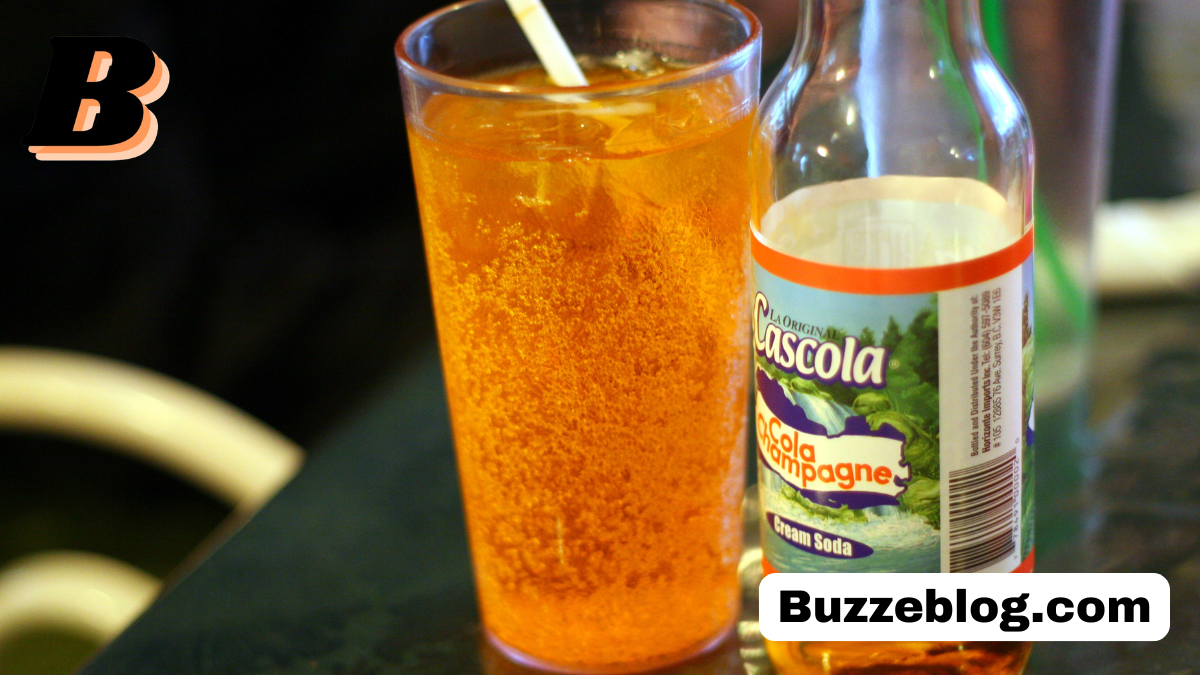
Cola Champagne is one of those beverages that instantly sparks curiosity. The name alone feels like a contradiction—cola suggests a dark, caramel-flavored soda, while champagne hints at elegance and celebration. Yet Cola Champagne is neither of those things in the traditional sense. Instead, it is a golden-colored, cream-soda-style soft drink known for its bright sweetness, fruity undertones, and nostalgic appeal across multiple cultures.
For many people, especially those in Latin America and the Caribbean, Cola Champagne is more than just a beverage. It represents childhood memories, family gatherings, street food adventures, and summer afternoons cooled by a fizzy drink poured over ice. Despite being lesser-known in some parts of the world, its loyal fan base continues to grow as global food culture becomes more interconnected.
In this comprehensive guide, we will explore everything about Cola Champagne—from its origins and flavor profile to its cultural significance, ingredients, variations, and future. Whether you have tasted it before or are hearing about it for the first time, by the end of this article, you will understand why this sparkling soda has endured for generations.
What Is Cola Champagne?
At first glance, Cola Champagne might confuse those expecting either cola or sparkling wine. Instead, it belongs to a category closer to cream soda, though even that description does not fully capture its character. It is typically a bright golden or amber-colored carbonated soft drink with a sweet, slightly vanilla-like taste and hints of fruit.
One of the most distinctive aspects of Cola Champagne is its aroma. When you open a bottle, the fragrance is immediately noticeable—sweet but not overwhelming, often reminiscent of bubblegum, vanilla, or even banana depending on the brand. This aromatic quality is part of what makes the drink so memorable.
Unlike traditional cola, Cola Champagne usually does not rely on kola nut extract or heavy caramel flavoring. Instead, it focuses on a smoother sweetness that appeals to both children and adults. It is easy to drink, refreshing when chilled, and versatile enough to pair with a wide variety of foods.
Another defining feature is its accessibility. Cola Champagne is not positioned as a luxury product despite its sophisticated name. Rather, it has historically been an affordable drink enjoyed by everyday people, making it deeply rooted in community life rather than exclusivity.
The Origins and History of Cola Champagne
The story of Cola Champagne is closely tied to the global rise of carbonated beverages in the late 19th and early 20th centuries. During this period, soda fountains were becoming popular, and beverage makers experimented with flavors to attract customers looking for something new and exciting.
The name “champagne” was likely chosen to evoke celebration and refinement rather than to imitate the alcoholic drink itself. Early soda manufacturers often used aspirational branding to make their beverages feel special. Calling a soda “champagne” suggested elegance while keeping it accessible to all.
As trade routes expanded, the drink gained traction in Caribbean nations and parts of Central and South America. Local bottlers began producing their own versions, sometimes tweaking the flavor to suit regional preferences. Over time, Cola Champagne became a staple at family events, festivals, and casual meals.
Immigrant communities played a major role in spreading the beverage internationally. When families moved abroad, they brought their culinary traditions with them—including their favorite drinks. Today, you can find Cola Champagne in specialty grocery stores across North America and Europe, a testament to its enduring appeal.
What is fascinating is how the drink has remained relatively consistent despite decades of change in the beverage industry. While many sodas have undergone reformulations, Cola Champagne has largely preserved its signature taste, allowing each generation to experience something familiar.
Why Is It Called “Cola Champagne”?
The name might sound unusual, but it reflects a marketing strategy that was quite clever for its time. Combining “cola” with “champagne” created an immediate sense of intrigue. Consumers wondered how those two ideas could coexist in a single drink—and curiosity often leads to a purchase.
“Cola” in this context does not necessarily refer to the modern cola flavor profile dominated by caramel and spices. Instead, it historically suggested a refreshing soda experience. Meanwhile, “champagne” symbolized festivity, bubbles, and a sense of occasion.
The pairing of these words positioned the drink as something celebratory yet approachable. You did not need a special reason to enjoy it, but it still felt like a treat whenever you did. This dual identity helped the beverage stand out in crowded markets.
Interestingly, the name also contributed to its cross-generational popularity. Children loved the sweetness, while adults appreciated the nostalgia and subtle sophistication implied by the branding.
Even today, the name continues to spark conversation, making it one of the most memorable soda titles in the world.
Flavor Profile: What Does Cola Champagne Taste Like?
Describing the taste of Cola Champagne can be surprisingly challenging because it does not fit neatly into a single category. Most people agree that it is sweet, but beyond that, the experience becomes more nuanced.
The first sip usually delivers a creamy vanilla note similar to cream soda. Shortly afterward, many drinkers detect fruity undertones—sometimes banana-like, occasionally citrusy, depending on the formulation. The carbonation adds a lively texture that prevents the sweetness from feeling heavy.
Another appealing quality is its smooth finish. Unlike some sodas that leave a sharp aftertaste, Cola Champagne tends to fade gently, encouraging another sip without overwhelming the palate.
Temperature plays an important role in the experience. When served ice-cold, the drink feels crisp and refreshing. Slightly chilled, it reveals more of its aromatic complexity. Some enthusiasts even enjoy it over crushed ice for maximum refreshment.
Because the flavor is approachable, it pairs easily with both savory and spicy dishes. In regions where bold cuisine is common, Cola Champagne often acts as a balancing companion.
Key Ingredients Behind the Magic

Although recipes vary by manufacturer, most versions of Cola Champagne share a core set of ingredients that create its recognizable taste and appearance.
Carbonated water forms the foundation, delivering the bubbles that make the drink lively. Sweeteners—traditionally cane sugar, though sometimes high-fructose corn syrup—provide the signature sweetness.
Flavorings are where the real artistry lies. These may include vanilla extracts, fruit essences, and carefully blended aromatic compounds. The goal is not to highlight one dominant flavor but to create a harmonious profile.
Coloring is responsible for the beverage’s iconic golden hue. While visually appealing, it also subtly shapes expectations before the first sip.
Some brands add citric acid to balance the sweetness with a gentle tang. This prevents the drink from becoming overly sugary and helps maintain its refreshing quality.
Despite the simplicity of these ingredients, the precise proportions remain closely guarded secrets. That mystery adds another layer of intrigue to an already fascinating beverage.
Cultural Significance Around the World
Cola Champagne is more than a drink—it is a cultural symbol in many communities. In several Caribbean countries, it is as common at celebrations as cake or music. Birthdays, weddings, and holidays often feature chilled bottles ready to be shared.
For many families, serving Cola Champagne is a gesture of hospitality. Offering a guest this familiar beverage creates an instant sense of warmth and belonging.
Street food culture has also embraced it wholeheartedly. Vendors frequently pair the soda with savory snacks, creating a contrast that enhances both the food and the drink.
In diaspora communities, Cola Champagne carries emotional weight. Finding it in a foreign grocery store can feel like rediscovering a piece of home. That emotional connection is one reason the drink continues to thrive decades after its introduction.
Interestingly, younger generations are now rediscovering it through social media and global food trends. What was once regional is becoming international, turning Cola Champagne into a bridge between cultures.
Popular Variations and Regional Twists
No two regions interpret Cola Champagne in exactly the same way. Local tastes influence everything from sweetness levels to carbonation intensity.
Some versions lean heavily into creamy vanilla notes, while others emphasize fruitiness. A few are slightly less sweet to cater to modern preferences for balanced beverages.
Packaging also varies. In certain countries, glass bottles remain the gold standard because they preserve carbonation exceptionally well. Elsewhere, lightweight plastic bottles dominate due to convenience.
Limited-edition flavors occasionally appear, adding spices or citrus accents for a fresh take on the classic formula. These experiments keep the category dynamic without straying too far from tradition.
What remains constant is the drink’s cheerful identity. Regardless of where you encounter it, Cola Champagne almost always feels festive.
Cola Champagne vs. Cream Soda
Because the two beverages share similarities, comparisons are inevitable. Both are sweet, aromatic, and typically caffeine-free. However, subtle differences set them apart.
Cream soda often focuses strongly on vanilla, creating a dessert-like profile. Cola Champagne, on the other hand, tends to incorporate fruitier notes, making it feel lighter despite its sweetness.
Color is another distinction. Cream soda ranges from clear to pink, whereas Cola Champagne is usually golden.
Culturally, cream soda is widely recognized in North America and Europe, while Cola Champagne holds deeper roots in Latin and Caribbean traditions.
Choosing between them often comes down to mood. If you want something familiar and creamy, cream soda fits the bill. If you are craving something playful and slightly exotic, Cola Champagne is hard to beat.
How Cola Champagne Became a Nostalgic Favorite
Nostalgia plays a powerful role in food and beverage preferences. Many adults who grew up drinking Cola Champagne associate it with carefree childhood days.
Perhaps it reminds them of school holidays, neighborhood gatherings, or family barbecues. That emotional resonance cannot be replicated through marketing alone—it develops organically over time.
Brands have wisely leaned into this nostalgia, preserving classic label designs and flavor profiles. When consumers pick up a bottle, they often feel transported back to simpler times.
At the same time, nostalgia is not limited to older generations. Younger drinkers frequently adopt retro beverages as a way to connect with heritage or explore flavors outside the mainstream.
In a rapidly changing world, the familiarity of Cola Champagne offers comfort—and that is a powerful reason for its longevity.
Pairing Cola Champagne with Food
One of the drink’s greatest strengths is its versatility at the table. Its sweetness and carbonation allow it to complement a wide range of dishes.
Spicy foods benefit particularly well from the contrast. The sugar tempers heat while the bubbles refresh the palate.
Savory snacks like fried foods also pair beautifully. The carbonation cuts through richness, preventing meals from feeling heavy.
Some people even enjoy Cola Champagne alongside desserts, effectively doubling down on sweetness. Surprisingly, the drink’s fruity notes can enhance cakes and pastries rather than overwhelm them.
For casual entertaining, it is an easy crowd-pleaser. Few guests will refuse a chilled glass of something sparkling and golden.
Is Cola Champagne Caffeinated?
Most versions of Cola Champagne are caffeine-free, making them suitable for children and those avoiding stimulants. This distinguishes them from traditional colas, which typically contain caffeine.
The absence of caffeine contributes to the drink’s smoothness. There is no bitterness to compete with the sweet flavor profile.
For parents, this often makes Cola Champagne a preferred option at celebrations where younger guests are present.
However, it is always wise to check labels, as formulations can vary slightly by manufacturer.
Health Considerations and Moderation
Like most sugary sodas, Cola Champagne is best enjoyed in moderation. While delicious, it can be high in sugar and calories.
Excessive consumption of sweet beverages has been linked to health concerns such as weight gain and dental issues. Being mindful of portion sizes helps maintain balance.
Some brands now offer reduced-sugar or diet versions, reflecting broader industry trends toward healthier alternatives.
Hydration should still primarily come from water, but there is nothing wrong with treating yourself occasionally.
After all, part of the joy of Cola Champagne lies in its role as a celebratory indulgence rather than an everyday necessity.
The Role of Branding and Packaging
Visual identity has always been central to Cola Champagne’s charm. Bright labels, cheerful typography, and golden liquid combine to create an inviting presentation.
Packaging often evokes happiness and energy, reinforcing the drink’s association with social gatherings.
Glass bottles, in particular, add a touch of vintage appeal. Many enthusiasts insist that soda simply tastes better from glass—a belief rooted partly in science and partly in sentiment.
Modern designs have introduced sleeker aesthetics without abandoning tradition. This balance allows brands to attract new consumers while honoring loyal fans.
Cola Champagne in Modern Beverage Culture
Today’s beverage landscape is more competitive than ever. Craft sodas, flavored sparkling waters, and artisanal drinks all vie for attention.
Yet Cola Champagne continues to hold its ground. Its uniqueness helps it stand out among trend-driven products.
Mixologists have even begun experimenting with it in mocktails and cocktails, pairing it with citrus juices, herbs, or syrups to create refreshing beverages.
Social media has further amplified its reach. Photos of its vibrant color naturally catch the eye, making it highly shareable.
As global tastes diversify, Cola Champagne is perfectly positioned to benefit from consumers’ growing curiosity.
Can You Cook with Cola Champagne?
Surprisingly, yes. Creative cooks have discovered that the soda’s sweetness can enhance certain recipes.
It can be used as a glaze base for meats, adding caramelization during cooking. The sugars help create a glossy finish while the flavor adds subtle complexity.
Bakers sometimes incorporate it into cake batters for moisture and aroma. The carbonation can even contribute to a lighter texture.
Marinades are another possibility. Combined with spices, Cola Champagne can tenderize proteins while imparting gentle sweetness.
These culinary applications prove that the beverage is more versatile than many people realize.
The Future of Cola Champagne
Looking ahead, the future appears bright for this golden soda. As consumers increasingly seek authentic and culturally rich products, Cola Champagne fits the bill perfectly.
Innovation will likely focus on reduced sugar options, natural flavorings, and environmentally friendly packaging.
At the same time, preserving the classic taste will remain essential. Too much change could alienate the very fans who have sustained the drink for decades.
Global distribution is also expected to expand, introducing new audiences to its distinctive profile.
Ultimately, Cola Champagne’s greatest strength is its ability to feel both timeless and fresh—a rare combination in the beverage world.
Final Thoughts
Cola Champagne is proof that a drink does not need global dominance to achieve lasting success. Sometimes, all it takes is a memorable flavor, cultural resonance, and the ability to bring people together.
From its intriguing name to its nostalgic sweetness, the beverage offers an experience that goes beyond refreshment. It tells a story of tradition, migration, celebration, and shared joy.
Whether you discover it at a local market or revisit it after years away, each sip carries a sense of familiarity wrapped in effervescent delight.
In a world constantly chasing the next big trend, Cola Champagne reminds us that some classics never lose their sparkle.
FAQs
What is Cola Champagne?
A sweet, golden carbonated soft drink with creamy and fruity flavor notes.
Does Cola Champagne contain alcohol?
No, despite the name, it is a completely non-alcoholic soda.
Is Cola Champagne the same as cream soda?
They are similar, but Cola Champagne usually has fruitier undertones.
Does it have caffeine?
Most versions are caffeine-free, but checking the label is recommended.
Where is Cola Champagne popular?
It is especially beloved in the Caribbean and Latin American regions.
Can children drink Cola Champagne?
Yes, though it should be consumed in moderation due to sugar content.
What does it taste like?
Typically sweet with hints of vanilla, fruit, and a smooth finish.
Is there a diet version available?
Some brands offer reduced-sugar or diet alternatives.
Can it be used in cooking?
Yes, it can enhance glazes, marinades, and baked goods.
Why is it called “champagne”?
The name reflects its celebratory fizz rather than any connection to wine.
Also read: Ometepe: The Enchanting Island Where Volcanoes, Culture, and Nature Meet