

Introduction to Stichting Bouwresearch
Stichting Bouwresearch, often abbreviated as SBR, has long been recognized as a cornerstone in the evolution of construction research within the Netherlands. While many organizations contribute to the advancement of building practices, few have managed to shape the industry with the same consistency and authority as this institution. From developing practical guidelines to influencing policy-level thinking, Stichting Bouwresearch represents the bridge between theory and real-world application in construction.
At its core, the organization was created to answer a pressing question: how can the construction sector build smarter, safer, and more sustainably? The answer was not simple. It required collaboration between engineers, architects, contractors, and policymakers. Stichting Bouwresearch stepped into this complex environment with a clear mission—to transform fragmented knowledge into structured, usable insights for professionals.
What makes Stichting Bouwresearch particularly interesting is how it balances academic rigor with everyday practicality. Instead of producing research that gathers dust on shelves, the foundation focused on tools and publications that professionals could actually use on job sites and in design studios. This pragmatic approach quickly positioned the organization as a trusted authority.
Another important aspect of the foundation is its forward-looking mindset. Even decades ago, it recognized that construction is not just about bricks and mortar—it is about systems, efficiency, environmental impact, and long-term performance. As a result, many of its early research projects now appear remarkably ahead of their time.
Understanding Stichting Bouwresearch is not just about examining a single organization; it is about exploring a broader movement toward innovation in the built environment. The foundation helped create a culture in which research became an integral part of construction rather than an afterthought.
Historical Background and Founding Vision
The origins of Stichting Bouwresearch can be traced back to a period when Europe was undergoing rapid rebuilding and modernization. Post-war reconstruction demanded new methods, faster timelines, and higher quality standards. Traditional construction practices, while reliable, were no longer sufficient to meet the growing demand for housing and infrastructure.
Industry leaders realized that progress required structured research rather than isolated experimentation. Stichting Bouwresearch emerged as a response to this need, designed to centralize knowledge and prevent costly mistakes from being repeated across projects. The idea was simple but powerful: learn once, apply everywhere.
In its early years, the foundation focused heavily on standardization. Construction projects often suffered from inconsistencies in materials, techniques, and safety protocols. By conducting systematic studies, the organization helped create guidelines that improved reliability across the sector. These standards did not just enhance quality—they also reduced risk.
Another defining element of the founding vision was collaboration. Instead of operating in isolation, Stichting Bouwresearch brought together stakeholders from across the construction ecosystem. This cooperative model allowed diverse expertise to shape research outcomes, ensuring they were both technically sound and practically relevant.
Over time, the foundation’s reputation grew. What started as a national initiative gradually gained recognition beyond the Netherlands. Professionals began to see Stichting Bouwresearch as a symbol of disciplined innovation—proof that research-driven construction could deliver better results.
The historical journey of the organization reflects a broader shift in how societies approach building. It marked the transition from intuition-based practices to evidence-based methodologies, laying the groundwork for modern construction management.
Mission, Objectives, and Organizational Philosophy
Every influential institution operates with a guiding philosophy, and Stichting Bouwresearch is no exception. Its mission has consistently revolved around improving the quality, efficiency, and sustainability of the built environment through research and knowledge dissemination.
One of the primary objectives has been to close the gap between research findings and industry adoption. Many sectors struggle with this challenge; groundbreaking studies often fail to reach practitioners. Stichting Bouwresearch tackled this issue by translating complex data into accessible recommendations.
The organization also emphasized long-term thinking. Construction projects can last decades, even centuries, so short-term solutions rarely suffice. Research conducted under the foundation often considered lifecycle performance, maintenance implications, and adaptability.
Another philosophical pillar is neutrality. Because Stichting Bouwresearch was structured as a foundation rather than a commercial enterprise, it could focus on what truly worked rather than what sold best. This independence strengthened trust among professionals who relied on its publications.
Education has also been central to its mission. By supporting training initiatives and publishing technical manuals, the organization empowered professionals to stay current with evolving standards. In many ways, it functioned as both a research institute and a knowledge hub.
Perhaps most importantly, the foundation embraced continuous improvement. Construction is a dynamic field influenced by technology, regulations, and societal expectations. Rather than clinging to outdated methods, Stichting Bouwresearch consistently adapted its research agenda to reflect emerging challenges.
Role in Advancing Construction Knowledge
The construction industry is often perceived as conservative, but innovation has always been essential to its survival. Stichting Bouwresearch played a pivotal role in accelerating this innovation by fostering a culture of learning.
One of its key contributions was the development of technical guidelines that professionals could rely on when making critical decisions. Whether addressing structural integrity, moisture control, or material performance, these resources provided clarity in situations where uncertainty could lead to costly errors.
The foundation also encouraged experimentation within controlled environments. Instead of allowing trial-and-error to occur on active construction sites, research projects simulated conditions and analyzed outcomes. This proactive approach improved safety while promoting smarter building techniques.
Knowledge sharing became another hallmark of the organization. Conferences, workshops, and publications ensured that insights reached a wide audience. By democratizing information, Stichting Bouwresearch helped level the playing field between large firms and smaller contractors.
Its work also supported regulatory development. Policymakers often rely on research when shaping building codes, and the foundation’s findings provided a credible basis for these decisions. As a result, its influence extended beyond individual projects to the broader legal framework governing construction.
In many respects, Stichting Bouwresearch transformed knowledge into infrastructure. The buildings and systems that emerged from its research stand as tangible evidence of its impact.
Contributions to Building Standards and Best Practices
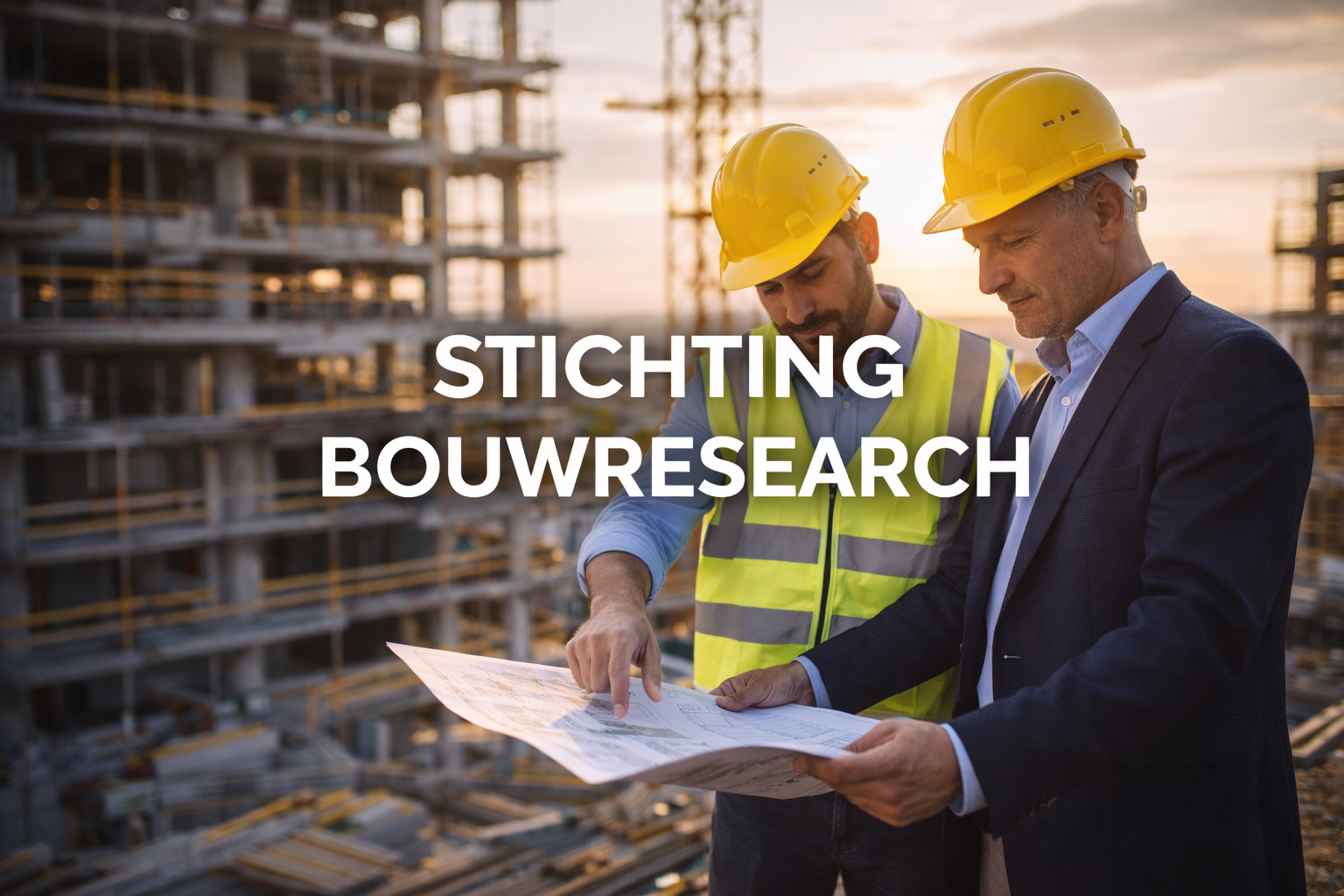
Standards are the invisible backbone of construction. When they are effective, projects run smoothly; when they are absent, chaos often follows. Stichting Bouwresearch devoted significant effort to establishing best practices that could be widely adopted.
One area of focus was quality assurance. By identifying common failure points in construction, the foundation developed recommendations that minimized defects. This not only improved structural reliability but also enhanced occupant satisfaction.
Safety protocols also benefited from its research. Construction sites can be hazardous environments, and even minor improvements can save lives. Through detailed studies, the organization helped refine procedures that reduced accidents and improved worker protection.
Another major contribution involved process optimization. Inefficiencies in scheduling, material handling, and coordination can derail projects. Stichting Bouwresearch analyzed these challenges and proposed frameworks that streamlined operations.
The foundation also addressed durability. Buildings must withstand environmental stresses, from temperature fluctuations to moisture intrusion. Research into protective measures ensured that structures maintained performance over time.
What sets these contributions apart is their practicality. Rather than offering abstract theories, the organization delivered actionable guidance that professionals could implement immediately.
Innovation and Technological Advancement
Innovation is not merely about adopting new tools—it is about rethinking how problems are approached. Stichting Bouwresearch demonstrated this mindset by exploring technologies that reshaped construction workflows.
Early research into prefabrication, for example, highlighted the potential of manufacturing components off-site. This approach improved precision while reducing construction timelines. Today, prefabrication is widely accepted, but its early adoption required visionary thinking.
Material science also featured prominently in the foundation’s work. By evaluating emerging materials, researchers helped determine where they could safely replace traditional options. These insights opened the door to lighter, stronger, and more sustainable structures.
Digital transformation eventually became another focal point. As computer modeling and simulation tools gained traction, Stichting Bouwresearch recognized their ability to enhance planning accuracy. Encouraging the use of these tools helped professionals anticipate challenges before they arose.
Innovation within the organization was never pursued for novelty alone. Each technological exploration was grounded in measurable benefits—cost savings, performance improvements, or environmental gains.
This disciplined approach ensured that progress remained aligned with industry needs rather than fleeting trends.
Sustainability and Environmental Responsibility
Long before sustainability became a global priority, Stichting Bouwresearch was already examining how construction impacts the environment. Buildings consume resources, generate waste, and influence energy patterns, making responsible design essential.
Research initiatives often explored energy efficiency, promoting insulation techniques and building envelopes that minimized heat loss. These strategies not only reduced environmental impact but also lowered operational costs for occupants.
The foundation also studied material lifecycles, encouraging the use of products with lower ecological footprints. By considering extraction, manufacturing, and disposal, researchers promoted a more holistic view of sustainability.
Water management emerged as another critical topic. Effective drainage systems and moisture barriers protect both structures and surrounding ecosystems. Stichting Bouwresearch provided guidance that balanced functionality with environmental stewardship.
Perhaps most importantly, the organization helped shift industry attitudes. Sustainability was reframed not as a constraint but as an opportunity for innovation.
Today’s emphasis on green building owes much to early pioneers who recognized the urgency of environmental responsibility.
Collaboration with Industry Stakeholders
No organization can transform an entire sector alone. Stichting Bouwresearch understood this reality and built strong partnerships across the construction landscape.
Architects contributed creative perspectives, ensuring that research supported both functionality and design excellence. Engineers added technical rigor, validating structural concepts and performance metrics.
Contractors provided real-world insights, highlighting practical challenges that might not appear in theoretical models. Their involvement ensured that research outcomes were grounded in reality.
Academic institutions also played a role, offering analytical expertise and access to emerging talent. This collaboration strengthened the scientific foundation of the organization’s work.
Government agencies often engaged with the foundation as well, recognizing the value of research-driven policy. These relationships helped align regulations with technological progress.
Through collaboration, Stichting Bouwresearch became more than a research body—it evolved into a network connecting diverse expertise.
Educational Impact and Knowledge Dissemination
Education has always been a powerful catalyst for industry advancement. Stichting Bouwresearch embraced this principle by prioritizing knowledge dissemination alongside research.
Technical manuals became one of its most influential tools. Written in accessible language, these publications translated complex findings into practical guidance. Professionals could consult them during planning, execution, and maintenance phases.
Workshops and seminars further extended the organization’s reach. These events fostered dialogue, allowing participants to exchange ideas and learn from one another.
The foundation also contributed to professional development by supporting training programs. As construction methods evolved, continuous learning became essential. Stichting Bouwresearch helped professionals stay ahead of the curve.
Students benefited as well. Exposure to research-driven thinking prepared future architects and engineers to approach projects with analytical discipline.
Education ensured that the foundation’s impact multiplied over time, shaping generations of industry professionals.
Challenges and Adaptation Over Time
Even the most respected organizations face challenges, and Stichting Bouwresearch was no exception. Economic fluctuations, shifting regulations, and technological disruption all demanded adaptability.
One recurring challenge involved balancing innovation with risk management. Introducing new methods can yield significant benefits, but it also requires careful evaluation. The foundation navigated this tension by emphasizing evidence-based decision-making.
Funding considerations occasionally influenced research priorities. Like many nonprofit entities, Stichting Bouwresearch had to allocate resources strategically to maximize impact.
Another challenge stemmed from the rapid pace of technological change. Digital tools, automation, and smart systems transformed construction faster than many anticipated. Staying relevant required continuous reassessment of research agendas.
Globalization added further complexity. As construction practices became more interconnected, the organization needed to consider international standards while maintaining local relevance.
Despite these obstacles, adaptability remained one of its greatest strengths. By embracing change rather than resisting it, Stichting Bouwresearch preserved its leadership role.
Lasting Legacy in the Construction Sector
Legacy is not measured solely by years of operation—it is defined by influence. Stichting Bouwresearch leaves behind a legacy rooted in knowledge, reliability, and progress.
Many modern building practices trace their origins to research initiatives championed by the foundation. From quality control frameworks to sustainability strategies, its fingerprints are visible across the industry.
The organization also helped redefine professionalism within construction. By promoting research literacy, it encouraged practitioners to base decisions on data rather than assumption.
Its collaborative model demonstrated the power of shared expertise. When stakeholders unite around a common goal, innovation accelerates.
Perhaps the most enduring aspect of its legacy is cultural. Stichting Bouwresearch fostered a mindset that values continuous improvement—a principle that remains essential in today’s rapidly evolving world.
As new challenges emerge, the lessons it championed continue to guide the industry.
The Future Relevance of Research Foundations
While construction technologies continue to advance, the need for structured research remains constant. Organizations inspired by Stichting Bouwresearch carry forward its mission, exploring topics such as smart buildings, circular construction, and climate resilience.
Future projects will likely demand even greater interdisciplinary cooperation. Digital twins, artificial intelligence, and advanced materials require expertise spanning multiple domains.
Research foundations provide the stability needed to evaluate these innovations responsibly. Without them, the industry risks adopting solutions without fully understanding their implications.
The spirit of Stichting Bouwresearch reminds us that progress is most effective when guided by knowledge. As cities grow and environmental pressures intensify, research-driven construction will be more important than ever.
Ultimately, the foundation’s story is one of foresight. By investing in knowledge, it helped build not just structures but a smarter industry.
Conclusion
Stichting Bouwresearch stands as a testament to what can be achieved when research and practice intersect. Its contributions reshaped construction standards, promoted sustainability, and cultivated a culture of informed decision-making.
From its early focus on standardization to its embrace of technological innovation, the foundation consistently anticipated the needs of a changing world. Its work improved safety, efficiency, and environmental responsibility—benefits that extend far beyond individual projects.
The organization’s collaborative ethos demonstrated that meaningful progress rarely occurs in isolation. By bringing together diverse voices, it created solutions that were both visionary and practical.
Today, as the construction sector faces new complexities, the principles championed by Stichting Bouwresearch remain deeply relevant. Evidence-based thinking, continuous learning, and responsible innovation continue to guide the path forward.
In many ways, the buildings we inhabit are silent storytellers of this legacy. They reflect decades of research, refinement, and dedication to excellence.
Stichting Bouwresearch may be one chapter in the broader narrative of construction history, but it is undeniably a defining one.
FAQs
What is Stichting Bouwresearch?
It is a Dutch research foundation dedicated to improving construction practices through innovation and knowledge sharing.
Why was Stichting Bouwresearch established?
It was created to centralize construction research and develop standards that enhance quality and safety.
How did the organization influence the construction industry?
By publishing guidelines, supporting education, and promoting evidence-based building methods.
Did Stichting Bouwresearch focus on sustainability?
Yes, it explored energy efficiency, material lifecycles, and environmentally responsible design.
Who benefited from its research?
Architects, engineers, contractors, policymakers, and students all gained valuable insights.
Is its legacy still relevant today?
Absolutely, many modern construction practices reflect principles the foundation helped pioneer.
What made the foundation unique?
Its ability to translate complex research into practical tools professionals could immediately use.
Did it collaborate with other institutions?
Yes, it worked closely with industry stakeholders, academic bodies, and government agencies.
What challenges did the organization face?
Economic shifts, technological change, and evolving regulations required constant adaptation.
What is the main takeaway from Stichting Bouwresearch’s work?
That research-driven construction leads to safer, smarter, and more sustainable buildings.
Also read: Troļļi: Understanding Trolls from Mythology to the Modern Internet