
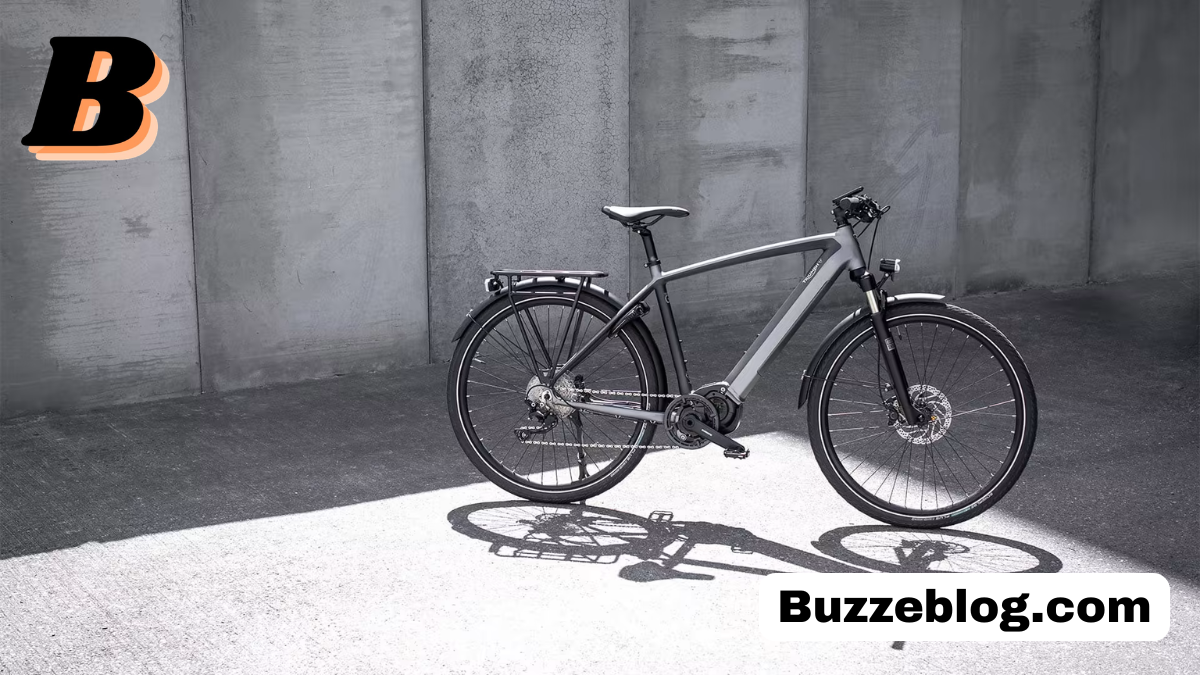
Introduction: Understanding the Meaning of Bicycle Triumph
The phrase “bicycle triumph” might sound simple at first, but when you truly unpack it, you realize it represents far more than just riding a two-wheeled machine. It symbolizes perseverance, independence, technological evolution, environmental responsibility, and even emotional victory. For many people, their first successful bike ride without training wheels is a personal triumph. For athletes, crossing a cycling finish line after hundreds of exhausting miles defines triumph in its purest form.
Bicycles have quietly shaped modern society in ways most people never stop to consider. Long before electric vehicles and high-speed trains dominated transportation conversations, the bicycle gave ordinary individuals unprecedented mobility. It allowed workers to commute farther, helped women gain independence in the late nineteenth century, and created entirely new sporting cultures. Every pedal stroke became a declaration of progress.
What makes the idea of bicycle triumph so powerful is that it operates on multiple levels. It is physical, mental, social, and even philosophical. Riding demands balance, coordination, endurance, and confidence. Yet it also teaches patience and resilience. Anyone who has struggled up a steep hill understands that triumph is rarely instant — it is earned through persistence.
Today, the bicycle stands at the intersection of tradition and innovation. While the fundamental design has remained recognizable for over a century, modern engineering has transformed bikes into lightweight, aerodynamic marvels. Whether used for commuting, racing, touring, or recreation, bicycles continue to empower millions worldwide.
This article explores the many dimensions of bicycle triumph — from its historical roots to modern technological breakthroughs, from personal transformation stories to environmental impact. By the end, you will see that the bicycle is not merely a tool for transportation. It is one of humanity’s quietest yet most meaningful victories.
The Historical Roots of Bicycle Triumph
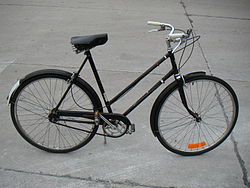
To understand why the bicycle represents triumph, you must first travel back to the early nineteenth century. The earliest ancestor of the modern bicycle, often called the “running machine,” was invented by Karl von Drais in 1817. It had no pedals, forcing riders to push themselves forward with their feet. While primitive, it introduced a revolutionary idea: human-powered personal transport.
The real breakthrough came later with the addition of pedals and chain drives. By the late 1800s, bicycles began resembling the models we recognize today. The “safety bicycle,” with two similarly sized wheels and improved steering, changed everything. Suddenly, cycling was not just a novelty — it became practical.
This era marked one of the first major bicycle triumphs: accessibility. People from various social classes could afford bicycles, making mobility more democratic. Workers could live farther from factories, and rural populations gained better access to towns and markets.
Interestingly, bicycles also played a crucial role in social reform movements. Many historians credit the bicycle with contributing to women’s liberation. It offered independent travel without requiring a horse or male escort. Susan B. Anthony famously praised the bicycle for doing more to emancipate women than anything else in the world.
As manufacturing improved, bicycles became lighter, safer, and faster. Clubs formed, races were organized, and cycling culture flourished. What started as an experimental invention evolved into a global phenomenon — a triumph of engineering meeting everyday necessity.
Even today, when you ride a bicycle, you are participating in a legacy more than two centuries old. That continuity alone speaks volumes about the design’s brilliance.
Engineering Excellence: How Innovation Created a Triumph on Two Wheels
When people admire a bicycle, they often focus on its simplicity. Yet beneath that simplicity lies extraordinary engineering. Achieving balance on two narrow wheels is not as straightforward as it seems. The geometry of the frame, the gyroscopic effect of spinning wheels, and precise weight distribution all contribute to stability.
Early bicycles were heavy and inefficient, but modern materials have revolutionized performance. Steel gave way to aluminum, which then competed with carbon fiber — a material prized for being both incredibly strong and astonishingly light. Professional racing bikes can weigh less than seven kilograms, allowing riders to climb hills with remarkable efficiency.
Another engineering triumph is the drivetrain. The introduction of multi-speed gearing allowed cyclists to adapt to varying terrain. Hills that once required dismounting became conquerable challenges. Riders could maintain cadence, conserve energy, and travel farther than ever before.
Braking systems have also undergone dramatic improvement. From simple friction brakes to advanced hydraulic disc brakes, stopping power is now more reliable and responsive. This innovation not only enhances performance but significantly improves safety.
Aerodynamics represents yet another frontier. Designers carefully shape frames, helmets, and wheels to reduce drag. At competitive speeds, even minor reductions in air resistance can make the difference between victory and defeat.
Yet perhaps the greatest engineering success is durability. A well-maintained bicycle can last decades. Few machines combine longevity, efficiency, and sustainability so effectively.
The bicycle proves that triumph does not always require complexity. Sometimes, the most elegant solutions are those refined patiently over time.
Personal Triumph: Learning to Ride and Conquering Fear
Almost everyone remembers the moment they first learned to ride a bicycle. It is often messy, occasionally painful, but ultimately unforgettable. The wobbly starts, scraped knees, and shouted encouragement form a universal childhood experience.
What makes this milestone so meaningful is that it represents one of the earliest acts of independence. Suddenly, the world expands. Streets feel wider, parks more inviting, and distances shorter. A child who masters cycling gains not just a skill but confidence.
Fear plays a central role in this process. At first, balancing seems impossible. The brain struggles to trust that forward motion creates stability. But with each attempt, hesitation fades. Eventually, something clicks — and the rider glides forward effortlessly.
That moment is pure triumph.
Psychologists often highlight how mastering cycling strengthens resilience. Falling becomes part of the learning process rather than a failure. Children internalize an important lesson: persistence leads to success.
Adults experience similar victories when returning to cycling after years away. Some overcome trauma, health challenges, or self-doubt through riding. Others use cycling as a pathway toward fitness, proving to themselves that change is always possible.
In many ways, the bicycle becomes a metaphor for life. You must keep moving to stay balanced. When obstacles appear, adjusting your gears — literally and figuratively — helps you push forward.
Every rider carries a story of triumph, whether it began on a quiet sidewalk or a bustling city street.
Competitive Cycling: Where Triumph Meets Human Limits
If personal cycling victories are inspiring, professional cycling elevates triumph to an entirely different level. Competitive races test the outer boundaries of human endurance, strategy, and mental toughness.
Events like the Tour de France showcase athletes who ride thousands of kilometers across punishing terrain. Riders battle steep mountain climbs, unpredictable weather, and fierce competitors. Winning requires not just strength but tactical brilliance.
Cyclists must understand pacing, drafting, nutrition, and timing. A poorly executed attack can drain precious energy, while a well-planned surge can secure a stage victory.
Team dynamics add another layer of complexity. Although only one rider may stand atop the podium, success often depends on teammates who shield leaders from wind resistance and set the race tempo.
The psychological dimension cannot be overlooked. Fatigue pushes riders toward their breaking point, yet champions find ways to continue. Mental resilience frequently determines outcomes as much as physical conditioning.
Technological support also plays a role. Coaches analyze performance data, optimize training schedules, and refine equipment choices. Every marginal gain matters.
Yet despite the science behind it all, cycling retains a raw, emotional quality. Watching a rider conquer a brutal ascent reminds us what the human spirit can achieve.
Competitive cycling is triumph in motion — dramatic, exhausting, and deeply inspiring.
The Health Triumph: Transforming Bodies and Minds
Cycling is often praised as one of the most effective forms of exercise, and for good reason. It delivers cardiovascular benefits, strengthens muscles, and improves joint mobility — all while being relatively low-impact compared to activities like running.
Regular riders frequently report increased stamina and better overall energy levels. The rhythmic motion of pedaling enhances circulation, supporting heart health and reducing the risk of chronic diseases.
Weight management becomes more attainable through consistent cycling. Because it burns substantial calories, it helps create the energy deficit necessary for fat loss while preserving lean muscle.
But the triumph is not purely physical.
Mental health improvements are equally profound. Cycling triggers the release of endorphins, often called “feel-good hormones.” Many riders describe a sense of clarity after long rides, as if stress dissolves with every mile.
Outdoor cycling amplifies these effects by connecting riders with nature. Fresh air, changing scenery, and sunlight contribute to emotional well-being.
For individuals recovering from injury or illness, the bicycle can represent hope. Rehabilitation programs often incorporate cycling because it allows controlled movement without excessive strain.
Over time, small health victories accumulate. Climbing a hill that once seemed impossible, riding longer distances, or simply feeling stronger — these milestones reinforce motivation.
The bicycle quietly transforms lives, proving that triumph can be both gradual and deeply personal.
Environmental Triumph: A Greener Path Forward
In an era defined by climate concerns, the bicycle stands out as a remarkably sustainable mode of transportation. It produces zero emissions, requires minimal resources to manufacture compared to cars, and occupies far less urban space.
Cities worldwide are beginning to recognize this environmental triumph. Expanding bike lanes, launching public bike-sharing programs, and promoting cycling infrastructure signal a shift toward greener mobility.
When more people choose bicycles for short trips, traffic congestion decreases. Air quality improves. Noise pollution drops. These collective benefits enhance urban living for everyone — even those who do not ride.
Cycling also encourages smarter city planning. Communities designed with cyclists in mind often feature safer streets, more green spaces, and improved accessibility.
From an economic perspective, bicycles demand less maintenance and eliminate fuel costs. For many households, this affordability is transformative.
The environmental triumph of cycling reminds us that meaningful change does not always require radical innovation. Sometimes, the answer has been quietly rolling beside us all along.
Choosing a bicycle is more than a transportation decision — it is a statement about the future we want to create.
Cultural Impact: How the Bicycle Became a Global Symbol of Progress
The bicycle is more than a machine; it is a cultural artifact that has influenced societies across continents. From busy European streets to quiet Asian villages, the presence of bicycles tells a story of adaptation, practicality, and forward-thinking lifestyles. Unlike many technologies that fade into obscurity, the bicycle has remained culturally relevant for generations.
In the early twentieth century, bicycles became associated with personal freedom. Teenagers saw them as their first step toward independence, while adults embraced them as reliable transportation. Over time, this relationship deepened, turning the bicycle into a symbol of movement — not just physical movement, but social and economic mobility as well.
Different cultures have woven cycling into their identities in unique ways. In some countries, bikes represent efficiency and discipline, while in others they evoke leisure and exploration. Cities known for their cycling infrastructure often project an image of sustainability and modernity. Visitors quickly notice how seamlessly bicycles blend into daily life, reinforcing the idea that progress does not always mean faster or louder — sometimes it means smarter.
Art, film, and literature have also celebrated the bicycle. Stories frequently use cycling as a metaphor for growth, journeys, and self-discovery. Whether portrayed in nostalgic childhood scenes or epic travel narratives, bicycles capture the imagination in ways few objects can.
What makes this cultural triumph so fascinating is its universality. Regardless of language or geography, people understand what it feels like to ride. That shared experience builds a quiet connection among riders worldwide, proving that something as simple as two wheels can unite humanity.
Adventure and Exploration: Triumph Beyond Familiar Roads
For those with a restless spirit, the bicycle offers an unmatched gateway to adventure. Unlike cars, which separate travelers from their surroundings, bicycles immerse riders fully in the landscape. Every scent, sound, and shift in temperature becomes part of the journey.
Long-distance cycling tours have gained immense popularity because they transform travel into an achievement rather than just a destination. Crossing mountain ranges, tracing coastal highways, or navigating countryside trails demands preparation and resilience. Yet the reward is incomparable — a deep sense of accomplishment earned mile by mile.
Bikepacking, a blend of cycling and minimalist camping, represents one of the purest forms of modern exploration. Riders carry only essentials, relying on strength and strategy to sustain their progress. The experience strips life down to fundamentals: movement, shelter, nourishment, and determination.
Unexpected challenges often become the most memorable parts of these adventures. Sudden weather changes, mechanical issues, or wrong turns test problem-solving skills. Overcoming them reinforces confidence, reminding riders that they are capable of far more than they imagined.
There is also a philosophical dimension to bicycle travel. The slower pace encourages reflection. Many cyclists describe reaching a meditative state during long rides, where repetitive pedaling quiets mental noise and sharpens awareness.
Adventure cycling teaches an important truth: triumph is not always about speed. Sometimes it is about endurance, curiosity, and the courage to continue even when the road stretches endlessly ahead.
Urban Cycling Revolution: Redefining Modern Transportation
Cities around the world are undergoing a transportation rethink, and the bicycle sits at the center of this transformation. As urban populations grow, traditional traffic systems struggle to keep pace. Congestion, pollution, and long commute times have forced planners to reconsider how people move.
Cycling offers an elegant solution. It requires less infrastructure than motor vehicles while delivering impressive efficiency for short and medium distances. Dedicated bike lanes, secure parking facilities, and traffic-calming measures have made urban riding safer and more appealing.
The rise of bike-sharing programs marks a particularly significant triumph. These systems allow residents and visitors to access bicycles instantly without ownership responsibilities. By removing barriers, cities encourage more people to experience the convenience of cycling firsthand.
Commuters increasingly appreciate the predictability bicycles provide. Unlike cars stuck in gridlock, bikes maintain steady travel times. Many riders even report arriving at work more energized, turning what was once a stressful commute into a refreshing start to the day.
Businesses benefit as well. Areas with strong cycling infrastructure often see increased foot traffic because cyclists can stop easily and engage with local shops. This creates vibrant neighborhoods where commerce and community thrive together.
The urban cycling revolution demonstrates that progress is not always about building bigger roads. Sometimes the smartest path forward is narrowing the focus — literally — to make space for simpler, more human-centered mobility.
Technological Evolution: The Rise of Smart and Electric Bikes
While the core bicycle design has remained consistent, recent technological advancements have opened exciting new possibilities. Among the most transformative developments is the electric bicycle, commonly known as the e-bike.
E-bikes amplify pedaling power with battery-assisted motors, making cycling accessible to a broader audience. Riders who once felt intimidated by steep hills or long distances now approach them with confidence. This inclusivity represents a major triumph, proving that innovation can expand participation rather than replace tradition.
Smart features are also reshaping the riding experience. Integrated navigation systems, performance tracking, and anti-theft technology enhance both safety and convenience. Some bikes even sync with mobile apps, allowing riders to analyze routes, monitor fitness metrics, and plan maintenance schedules.
Battery technology continues to improve, delivering longer ranges with shorter charging times. As these systems become more efficient, e-bikes are increasingly viewed as practical alternatives to cars for daily commuting.
Material science has contributed its share of breakthroughs as well. Frames engineered for vibration absorption create smoother rides, while tubeless tires reduce puncture risks. Each refinement, though subtle on its own, collectively elevates the cycling experience.
Critics sometimes worry that too much technology could overshadow the bicycle’s simplicity. Yet the reality suggests otherwise. Innovation has not replaced the essence of cycling — it has strengthened it.
The technological triumph of modern bicycles lies in balance: embracing the future while preserving the timeless joy of the ride.
Legendary Cyclists: Stories That Define Triumph
Throughout history, certain cyclists have captured global attention by achieving what once seemed impossible. Their stories are not merely about winning races; they are about perseverance, discipline, and belief.
Many champions began with humble origins, discovering cycling as children and nurturing their passion through relentless training. Early mornings, grueling workouts, and countless sacrifices shaped their journeys. Success rarely arrived overnight — it was constructed through years of dedication.
What separates legendary riders is often their response to adversity. Injuries, defeats, and moments of doubt test even the strongest athletes. Yet those who ultimately triumph treat setbacks as lessons rather than endings.
Spectators are drawn to these narratives because they reflect universal struggles. Watching a cyclist surge ahead after a difficult season reminds us that resilience can rewrite outcomes.
Beyond competition, many renowned cyclists use their influence to promote charitable causes, environmental awareness, and youth development programs. Their impact extends far beyond the finish line, proving that triumph carries responsibility.
These stories inspire everyday riders to push a little harder, climb a little higher, and believe more deeply in their own potential. Greatness, after all, often begins with the simple decision to keep pedaling.
Psychological Strength: The Mental Game Behind Every Ride
Cycling is frequently described as a physical sport, but seasoned riders understand that the mind plays an equally critical role. Motivation determines whether you start a ride, but mental toughness determines whether you finish it.
Long climbs provide a perfect illustration. As muscles burn and breathing intensifies, the temptation to stop grows stronger. At that moment, success depends largely on internal dialogue. Encouraging thoughts can propel you forward, while negative ones can halt progress instantly.
Goal-setting helps cultivate psychological endurance. Whether aiming to ride farther, faster, or more frequently, clear objectives provide direction. Each achieved goal reinforces confidence, creating a cycle of positive momentum.
Cycling also teaches presence. Navigating roads and trails demands attention, pulling riders away from digital distractions. This mindfulness often produces a calming effect, reducing anxiety and sharpening focus.
Group rides introduce another mental dimension: camaraderie. Sharing challenges with others builds a sense of belonging. When fatigue sets in, collective energy can reignite determination.
Perhaps the greatest psychological triumph is discovering your own strength. Many riders begin unsure of their capabilities, only to realize later that perceived limits were far from absolute.
The bicycle becomes both a vehicle and a teacher, guiding riders toward resilience they might never have uncovered otherwise.
Choosing the Right Bicycle: A Triumph That Begins With Fit
Selecting the right bicycle is a deeply personal process, one that significantly shapes your riding experience. With countless styles available — road bikes, mountain bikes, hybrids, touring models — understanding your goals is the first step toward making a wise investment.
Comfort should always take priority. A properly fitted bike reduces strain on joints and enhances control. Riders often underestimate how transformative correct sizing can be until they experience the difference firsthand.
Terrain matters as well. Smooth pavement calls for lightweight designs optimized for speed, while rugged trails demand sturdy frames and responsive suspension. Matching the bicycle to its intended environment ensures both safety and enjoyment.
Budget considerations naturally enter the equation, but it is important to view a bicycle as a long-term asset rather than a short-term purchase. Quality components typically offer better durability, minimizing repair costs over time.
Test rides provide invaluable insight. The moment you settle into the saddle and begin pedaling, intuition often reveals whether the bike feels right. That connection is difficult to quantify, yet unmistakable when it occurs.
Choosing wisely sets the stage for countless future victories. Every comfortable mile reinforces the decision, turning the purchase itself into a quiet but meaningful triumph.
Maintenance Mastery: Protecting Your Triumph
Owning a bicycle carries responsibility, and proper maintenance is essential for preserving performance. Fortunately, caring for a bike does not require advanced mechanical expertise — just consistency and attention.
Routine cleaning prevents dirt buildup that can degrade components. A simple wipe-down after muddy rides keeps the drivetrain functioning smoothly and extends its lifespan.
Lubrication plays an equally vital role. A well-oiled chain shifts more efficiently and reduces wear on gears. Riders who adopt this habit quickly notice smoother, quieter operation.
Tire pressure is another frequently overlooked factor. Properly inflated tires improve handling, reduce puncture risks, and enhance energy efficiency. Checking them regularly takes only moments but yields substantial benefits.
Periodic professional tune-ups provide additional assurance. Skilled technicians can identify minor issues before they escalate into costly problems.
Beyond practicality, maintenance fosters a deeper relationship with the bicycle. Understanding how it works builds appreciation for its design and reliability.
Protecting your bike ultimately protects your ability to ride — and that continuity is its own form of triumph.
The Future of Bicycle Triumph: Where Do We Go From Here?
Looking ahead, the bicycle’s story appears far from complete. Emerging technologies, evolving urban landscapes, and growing environmental awareness all point toward an even brighter future for cycling.
Infrastructure investments continue to expand, making cities more bike-friendly than ever before. As safety improves, hesitation fades, inviting new riders into the community.
Younger generations are increasingly drawn to sustainable lifestyles, and bicycles align perfectly with those values. This cultural shift suggests that cycling will remain relevant — not as a nostalgic relic, but as a forward-looking choice.
Innovation will likely introduce lighter materials, smarter connectivity, and enhanced safety features. Yet even as designs evolve, the essence of cycling will remain unchanged: human power translating directly into motion.
Perhaps the greatest future triumph lies in perception. As more people recognize bicycles as practical, empowering tools rather than mere recreational devices, their societal role will deepen.
The bicycle has already proven its resilience across centuries. If history offers any lesson, it is that simple ideas — when executed brilliantly — rarely fade away.
Conclusion: Why Bicycle Triumph Matters More Than Ever
Bicycle triumph is not confined to race podiums or record-breaking expeditions. It lives in everyday moments: the child riding independently for the first time, the commuter choosing a greener route, the adventurer chasing horizons, and the individual reclaiming health through movement.
Few inventions have balanced practicality, accessibility, and inspiration so effectively. The bicycle asks for effort but rewards it generously, offering freedom in exchange for motion.
In a fast-paced world obsessed with speed and automation, cycling reminds us of the beauty of self-powered progress. Every journey becomes intentional. Every mile is earned.
Triumph, at its core, is about overcoming — fear, distance, doubt, limitation. The bicycle enables all of these victories quietly, without fanfare.
And perhaps that is what makes it so extraordinary. It does not demand attention, yet it transforms lives.
As long as people seek independence, adventure, and sustainability, the bicycle will continue to roll forward as one of humanity’s most enduring triumphs.
FAQs
What does bicycle triumph mean?
It refers to the physical, emotional, technological, and societal victories associated with cycling.
Why is cycling considered a major innovation?
Because it revolutionized personal transportation while remaining affordable, efficient, and environmentally friendly.
Is cycling good for mental health?
Yes, regular riding reduces stress, boosts mood, and promotes mindfulness.
Are electric bikes replacing traditional bicycles?
No, they are expanding accessibility while traditional bikes remain widely popular.
How does cycling help the environment?
It produces zero emissions and reduces traffic congestion.
What type of bicycle is best for beginners?
Hybrid bikes are often recommended because they balance comfort, stability, and versatility.
How often should a bicycle be maintained?
Basic checks should be done weekly, with professional tune-ups at least once or twice a year.
Can cycling replace car commuting?
For many short and medium distances, yes — especially in bike-friendly cities.
Is cycling suitable for all ages?
Absolutely, with proper safety measures it is a lifelong activity.
What is the biggest benefit of cycling?
The combination of freedom, health improvement, and sustainability makes it uniquely rewarding.
Also read: Stichting Bouwresearch: A Deep Dive into the Dutch Construction Innovation Powerhouse