
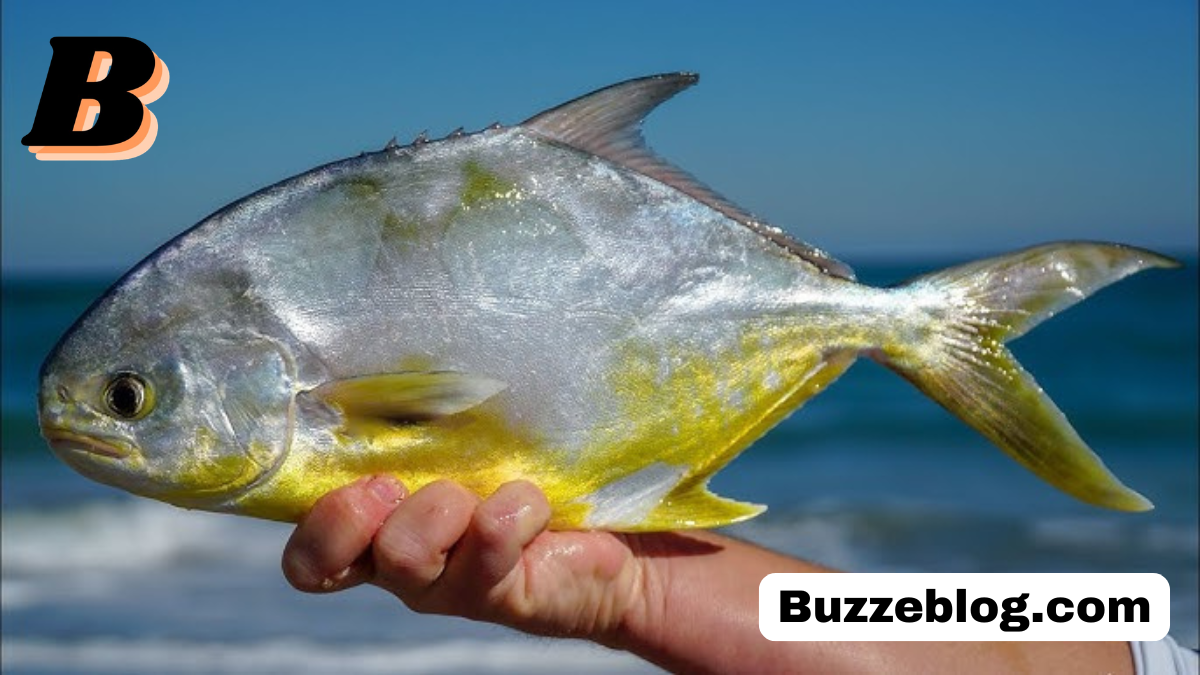
Introduction to Golden Pompano
Golden pompano is one of those fish that quietly commands respect in both culinary and aquaculture circles. While it might not always grab headlines like salmon or tuna, chefs, nutritionists, and seafood lovers often consider it a premium choice thanks to its delicate flavor, firm texture, and impressive versatility. Whether grilled, steamed, baked, or fried, this fish has a way of adapting to almost any cooking style without losing its natural character.
At first glance, golden pompano stands out because of its beautiful appearance. Its body is sleek and slightly compressed, with a shimmering golden hue that gives the fish its name. Unlike many other species that rely purely on taste for popularity, golden pompano combines aesthetics with substance. Fishmongers often highlight its vibrant look because customers instinctively associate bright coloration with freshness and quality.
Beyond the kitchen, golden pompano plays a significant role in modern aquaculture. Over the past few decades, it has become a favorite among fish farmers due to its fast growth rate, high survival percentage, and adaptability to controlled environments. As global seafood demand rises, species like golden pompano help bridge the gap between supply and sustainability.
Interestingly, many people who try golden pompano for the first time are surprised by how approachable it is. It lacks the strong “fishy” smell that can deter some diners, making it a fantastic introduction to seafood for beginners. At the same time, its depth of flavor keeps experienced seafood enthusiasts coming back for more.
Another reason for its growing reputation is consistency. Restaurants and retailers value fish that deliver predictable quality, and golden pompano rarely disappoints. When sourced responsibly, it offers uniform size, reliable texture, and excellent shelf life compared to more fragile species.
In short, golden pompano is more than just another fish—it represents the future of smart seafood consumption. It satisfies the modern appetite for nutritious, sustainable, and delicious food without demanding complicated preparation methods.
Origins and Natural Habitat
Golden pompano originates primarily from warm coastal waters, where stable temperatures and abundant nutrients create ideal living conditions. These fish are commonly found in tropical and subtropical regions, thriving in environments where salinity levels remain balanced and food sources are plentiful.
In the wild, golden pompano typically inhabit offshore waters rather than hugging shallow coastlines. They prefer areas with steady currents because moving water brings oxygen and microscopic organisms that support the food chain. This natural preference for dynamic habitats explains why the fish develops strong muscles and a firm texture.
Migration patterns also play a role in shaping the species. Juvenile golden pompano often stay closer to protected waters, gradually venturing into deeper areas as they mature. This movement allows them to avoid predators while learning to hunt effectively. Over time, they become skilled swimmers capable of covering impressive distances.
Water temperature is perhaps the most critical factor influencing their distribution. Golden pompano flourish in temperatures ranging roughly from the mid-70s to mid-80s Fahrenheit (about 24–30°C). When conditions fall outside this range, their metabolism slows, which can affect growth and feeding behavior.
Natural diets further reveal how adaptable these fish are. They consume plankton, small crustaceans, and other tiny marine organisms. This varied diet contributes to their balanced nutritional profile, which later benefits human consumers.
Environmental balance is essential for wild populations. Pollution, habitat destruction, and climate fluctuations can disrupt breeding cycles and food availability. Fortunately, awareness about marine conservation has encouraged better management practices in many regions.
Because golden pompano responds well to controlled farming, aquaculture has reduced pressure on wild stocks. This shift helps maintain ecological stability while ensuring that demand can still be met.
Understanding the natural habitat of golden pompano gives us a deeper appreciation for the fish. It reminds us that every fillet on a plate represents a complex ecosystem working quietly beneath the ocean’s surface.
Physical Characteristics and Identification
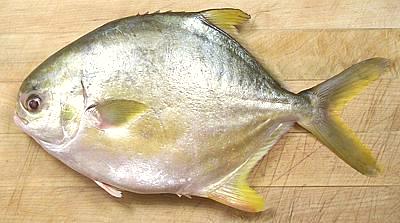
Golden pompano is often admired before it is ever tasted. Its body is smooth, laterally compressed, and almost symmetrical, giving it a refined and streamlined look. This shape isn’t just visually appealing—it also supports efficient swimming, allowing the fish to glide through water with minimal resistance.
The coloration is perhaps its most recognizable feature. Juveniles typically display brighter golden tones, while adults develop a slightly more subdued sheen. Depending on lighting, the fish can appear silver with golden highlights or fully radiant with warm metallic reflections.
Another defining trait is the forked tail, which enhances propulsion. Fish with this tail structure are generally strong swimmers, capable of quick bursts of speed when hunting or evading threats.
Golden pompano also has relatively small scales that sit tightly against the skin. This detail contributes to its clean texture when cooked. Unlike some scaled fish that require intensive preparation, golden pompano is comparatively easy to handle.
The head is modest in size with a gentle slope, leading to a mouth designed for capturing smaller prey. It doesn’t have the intimidating jawline seen in predatory fish, which aligns with its feeding habits.
From a culinary standpoint, the fish’s body composition is ideal. It contains a balanced ratio of lean protein and healthy fat, ensuring that the flesh remains moist during cooking. Overly lean fish can dry out quickly, while excessively fatty varieties may feel heavy—golden pompano strikes a perfect middle ground.
Most market-ready specimens weigh between one and three pounds, though larger individuals exist. This manageable size makes them practical for both home kitchens and restaurant service.
Visual freshness indicators are also straightforward. Clear eyes, firm flesh, and a subtle ocean scent usually signal a high-quality fish. Because golden pompano is widely farmed, buyers often enjoy consistent availability throughout the year.
Recognizing these characteristics helps consumers shop with confidence. Once you know what to look for, selecting a great golden pompano becomes almost second nature.
Nutritional Value and Health Benefits
Golden pompano isn’t just delicious—it’s genuinely nourishing. Packed with high-quality protein, it supports muscle repair, immune function, and overall vitality. Unlike heavily processed protein sources, fish delivers essential amino acids in a naturally digestible form.
One of its standout nutritional strengths is omega-3 fatty acids. These healthy fats are widely associated with heart health, helping to regulate cholesterol levels and reduce inflammation. Regular consumption may also support brain function, making seafood an excellent addition to a balanced diet.
Golden pompano is also relatively moderate in calories, which appeals to those aiming for weight management without sacrificing satisfaction. Because protein promotes fullness, meals featuring this fish can help curb unnecessary snacking.
Vitamins play a quiet but important role as well. The fish provides B-complex vitamins that assist with energy metabolism, along with vitamin D, which supports bone health and immune resilience.
Mineral content further enhances its profile. Selenium acts as a powerful antioxidant, while phosphorus contributes to strong teeth and bones. Together, these nutrients reinforce long-term wellness.
Another advantage is digestibility. Compared to red meats, fish is generally easier on the stomach, making it suitable for people with sensitive digestion.
For athletes and active individuals, golden pompano offers an excellent recovery food. Protein aids muscle rebuilding, while healthy fats provide sustained energy.
Even those new to seafood often tolerate it well because of its mild flavor. This makes it an approachable way to introduce nutrient-dense meals into everyday routines.
When you consider all these factors, golden pompano becomes more than a culinary choice—it becomes a smart investment in personal health.
Golden Pompano in Global Cuisine
Across cultures, golden pompano has earned a reputation as a versatile culinary canvas. Its flavor is mild enough to absorb marinades yet distinctive enough to shine with minimal seasoning.
In many Asian kitchens, steaming is the preferred method. Fresh ginger, scallions, and light soy sauce complement the fish without overpowering its natural sweetness. The result is clean, aromatic, and deeply satisfying.
Mediterranean-inspired preparations often lean toward grilling. Olive oil, herbs, lemon, and a touch of garlic create a bright flavor profile that highlights the fish’s buttery texture.
Some coastal regions favor whole-fish presentations. Cooking golden pompano intact helps retain moisture while delivering a dramatic table appearance. Diners appreciate the freshness implied by this traditional style.
Frying is another popular option, especially when crisp skin is desired. A light coating of flour or starch can produce a golden crust that contrasts beautifully with tender flesh.
Modern chefs experiment with fusion techniques, pairing golden pompano with unexpected ingredients like tropical fruit salsas or spicy glazes. Because the fish isn’t overly assertive, it adapts remarkably well.
Even simple home recipes benefit from its reliability. A quick bake with salt, pepper, and citrus can produce restaurant-quality results without demanding advanced skills.
The fish also pairs well with a wide range of sides—from roasted vegetables to fragrant rice—making menu planning effortless.
Ultimately, golden pompano’s culinary success stems from balance. It offers enough flavor to be memorable while remaining flexible enough for creative expression.
Farming and Aquaculture Practices
Aquaculture has transformed golden pompano from a regional catch into a globally accessible seafood option. Farmers appreciate the species for its rapid growth and adaptability to controlled environments.
Typically raised in offshore cages or coastal farms, golden pompano benefits from steady water flow that mimics natural currents. This circulation supports oxygen levels and promotes healthy development.
Feed quality is crucial. Balanced diets containing proteins, lipids, vitamins, and minerals help maintain both growth efficiency and nutritional value for consumers.
Disease management is another priority. Responsible farms implement monitoring systems and preventive care to minimize outbreaks. Healthy fish translate directly into better product quality.
Sustainability has become a guiding principle in modern aquaculture. Many operations aim to reduce environmental impact through smarter feed usage and waste management strategies.
Selective breeding programs further enhance resilience. Over generations, farmers have cultivated strains that tolerate varying conditions while maintaining desirable texture and flavor.
Traceability also matters. Consumers increasingly want to know where their seafood originates, prompting producers to improve transparency.
Compared to some wild fisheries, farmed golden pompano often delivers more predictable supply, helping stabilize prices.
This balance between efficiency and responsibility positions the species as a model for future seafood production.
How to Choose Fresh Golden Pompano
Selecting fresh fish might seem intimidating, but golden pompano makes the process relatively simple. Start with the eyes—they should appear clear and slightly glossy rather than cloudy.
Next, examine the skin. It should look vibrant with a natural sheen, not dull or discolored. Bright coloration often signals proper handling.
Gently press the flesh if possible. Fresh fish springs back quickly instead of leaving an indentation.
A mild ocean scent is ideal. Overly strong odors usually indicate aging.
Check the gills if they’re visible. Healthy gills display a rich reddish tone rather than brownish hues.
Size can influence cooking choices. Smaller fish cook faster, while larger ones provide thicker fillets suitable for grilling.
Ask your fishmonger about sourcing. Reputable sellers typically share harvest timelines and storage practices.
If buying packaged fillets, ensure there is minimal liquid inside the container.
Proper selection sets the stage for a great meal, so a few extra seconds of inspection are well worth the effort.
Cooking Techniques Every Home Chef Should Know
Golden pompano rewards both simplicity and creativity. One of the easiest methods is baking. Place the fish on a tray, drizzle with olive oil, add herbs, and roast until the flesh flakes easily.
Steaming is ideal for preserving moisture. Because it uses gentle heat, the technique prevents overcooking while allowing subtle flavors to emerge.
Grilling introduces smokiness that complements the fish’s natural richness. Just remember to oil the grates to prevent sticking.
Pan-searing works beautifully for fillets. A hot skillet creates crisp skin while locking in juices.
Poaching offers a delicate alternative. Simmering the fish in seasoned broth produces an elegant texture.
Marinades should enhance rather than dominate. Citrus, garlic, and light spices typically work best.
Timing matters more than complexity. Overcooking is the most common mistake, so remove the fish from heat as soon as it becomes opaque.
Let it rest briefly before serving to redistribute juices.
With practice, cooking golden pompano becomes almost effortless.
Flavor Pairings That Elevate the Dish
Golden pompano thrives alongside bright, fresh ingredients. Lemon and lime cut through richness, adding vibrancy.
Herbs like parsley, dill, and cilantro contribute fragrance without heaviness.
Mild chili heat can provide contrast, especially in tropical-style recipes.
Butter sauces lend indulgence, while olive oil keeps things lighter.
Vegetables such as asparagus, zucchini, and spinach complement the fish’s texture.
Grains like quinoa or jasmine rice create satisfying foundations.
Even fruit—think mango or pineapple—can bring unexpected harmony.
When pairing beverages, crisp white wines or sparkling water cleanse the palate.
Balance is the goal: enhance, don’t overshadow.
Sustainability and Environmental Impact
Sustainability conversations increasingly shape seafood choices, and golden pompano fits well into this evolving landscape.
Responsible farms aim to minimize ecological disruption by managing waste and protecting surrounding waters.
Efficient feed conversion means fewer resources are required per pound of fish produced.
Some producers explore alternative feed ingredients to reduce reliance on wild fish stocks.
Certifications help consumers identify operations committed to ethical practices.
Transportation footprint also matters, encouraging regional production when possible.
Supporting sustainable seafood helps preserve marine biodiversity.
Informed purchasing decisions collectively influence industry standards.
Golden pompano demonstrates that growth and responsibility can coexist.
Economic Importance in the Seafood Industry
Golden pompano contributes meaningfully to coastal economies. Farming operations generate employment across multiple skill levels—from hatchery technicians to logistics specialists.
Export markets further boost revenue, particularly where demand for premium fish continues to rise.
Stable production cycles allow businesses to plan more effectively compared to unpredictable wild catches.
Restaurants benefit from consistent supply, enabling reliable menu offerings.
Value-added products such as pre-seasoned fillets expand retail opportunities.
Technological advancements continue to improve efficiency, strengthening profitability.
Small-scale farmers also participate, diversifying income streams.
As global seafood consumption climbs, species like golden pompano help meet demand without overwhelming natural fisheries.
Its economic footprint reflects both practicality and promise.
Storage and Handling Tips
Proper storage preserves both flavor and safety. Ideally, cook golden pompano within a day or two of purchase.
Refrigerate it at temperatures close to freezing, typically on crushed ice if possible.
Keep the fish sealed to prevent cross-contamination.
If freezing, wrap it tightly to avoid freezer burn.
Thaw gradually in the refrigerator rather than at room temperature.
Avoid repeated temperature changes, which degrade texture.
Clean utensils and surfaces thoroughly after preparation.
Cooked leftovers should be refrigerated promptly.
Thoughtful handling ensures every bite tastes as intended.
Common Myths About Golden Pompano
One myth suggests farmed fish are always inferior. In reality, well-managed aquaculture often delivers excellent quality.
Another misconception is that mild fish lack character. Golden pompano proves subtlety can be sophisticated.
Some believe whole fish are difficult to cook, but they’re often more forgiving than fillets.
There’s also confusion about fat content—people sometimes assume all fatty fish are unhealthy, overlooking beneficial omega-3s.
Price perceptions vary as well; while it may seem premium, its versatility often provides great value.
Others think seafood preparation requires professional skills, yet simple methods yield impressive results.
Education helps dismantle these misunderstandings.
Once people try golden pompano, skepticism usually fades.
Knowledge transforms hesitation into enthusiasm.
The Future of Golden Pompano
Looking ahead, golden pompano appears poised for continued growth in popularity. Advances in aquaculture technology promise even greater efficiency and sustainability.
Consumer awareness about nutrition supports rising seafood consumption.
Chefs continue discovering new ways to showcase the fish, expanding its culinary footprint.
Research into breeding and feed optimization may further improve quality.
Climate resilience strategies are also gaining attention, ensuring long-term viability.
As supply chains become more transparent, trust between producers and consumers strengthens.
Retail accessibility is likely to expand, introducing the fish to new audiences.
Education campaigns can help people cook it confidently at home.
Golden pompano embodies the direction modern seafood is heading: responsible, nutritious, and adaptable.
Its journey is far from over—it’s just gaining momentum.
Conclusion
Golden pompano represents a rare blend of elegance and practicality. It satisfies chefs seeking dependable ingredients, nutritionists advocating balanced diets, and home cooks wanting approachable seafood.
From its shimmering appearance to its clean flavor, every aspect of the fish suggests quality. Yet what truly sets it apart is versatility—few species perform so well across diverse cooking styles.
Aquaculture has ensured steady availability while supporting sustainability goals. Meanwhile, ongoing innovation keeps improving farming practices.
For consumers, the benefits are clear: excellent nutrition, manageable preparation, and memorable taste.
Exploring golden pompano isn’t just about trying another fish; it’s about embracing a smarter way to enjoy seafood.
Once it finds a place in your kitchen, it often becomes a repeat favorite.
In a world where food choices increasingly reflect both health and environmental awareness, golden pompano stands confidently at the intersection of flavor and responsibility.
It is, quite simply, a fish worth knowing.
FAQs
What does golden pompano taste like?
It has a mild, slightly sweet flavor with a buttery texture.
Is golden pompano healthy?
Yes, it is rich in protein, omega-3 fatty acids, vitamins, and minerals.
Can beginners cook golden pompano easily?
Absolutely, simple methods like baking or steaming work very well.
Is golden pompano farmed or wild?
Most available in markets is responsibly farmed for consistent quality.
What is the best way to season golden pompano?
Light seasonings such as lemon, herbs, garlic, and olive oil enhance its natural taste.
Does golden pompano have many bones?
It has a typical fish bone structure but is easy to fillet or eat carefully.
How should I store fresh golden pompano?
Keep it refrigerated on ice and cook within one to two days.
Can I grill golden pompano whole?
Yes, grilling whole helps retain moisture and boosts flavor.
Is golden pompano expensive?
It is moderately priced and often considered good value for its quality.
Does it smell very fishy?
No, fresh golden pompano has a clean, mild ocean scent.
Also read: Nhiem Sac The: A Complete Guide to Chromosomes and Their Role in Life