Introduction to Alignment in RPGs
Alignment is one of the most fascinating and debated concepts in the world of role-playing games (RPGs). It serves as a framework that helps define a character’s ethical perspective, guiding their decisions, relationships, and overall development throughout a game. Whether you are exploring a tabletop campaign with friends or navigating a digital fantasy world, alignment provides the moral compass that shapes your journey. For decades, players and game masters alike have relied on alignment to add depth to storytelling, encourage meaningful choices, and create unforgettable character arcs.
At its core, alignment answers a simple yet profound question: what kind of person is your character? Are they selfless heroes who risk everything for the greater good, or cunning opportunists who bend the rules to achieve their goals? Alignment gives structure to these identities without completely restricting creativity. Instead of forcing characters into rigid molds, it offers a starting point for role-playing, helping players understand how their characters might react in complex situations. This balance between guidance and freedom is one of the reasons alignment remains relevant even as RPG design continues to evolve.
Many newcomers initially assume alignment is just about being “good” or “evil,” but the reality is far more nuanced. Alignment often incorporates elements of order versus chaos, responsibility versus freedom, and empathy versus ambition. These layers create rich storytelling opportunities, allowing campaigns to explore philosophical themes while still delivering excitement and adventure. Understanding alignment is not just helpful for gameplay; it transforms the entire role-playing experience into something deeper and more immersive.
The Origins of Alignment Systems
The idea of alignment did not appear overnight. It developed gradually alongside the earliest tabletop RPGs, emerging from the desire to create consistent moral frameworks within imaginary worlds. Early designers recognized that players needed a way to distinguish heroes from villains beyond simple labels. By introducing alignment categories, they provided a shared language for ethics, making collaborative storytelling smoother and more engaging.
In the earliest days of RPG history, alignment was relatively simple. Characters were often grouped into broad categories representing forces such as law, neutrality, and chaos. These distinctions were inspired by mythology, classic fantasy literature, and philosophical concepts about order and disorder. Over time, however, game designers realized that morality is rarely black and white. Players wanted more flexibility to portray morally complex characters, and alignment systems began to expand accordingly.
As RPG culture grew, alignment became more than just a gameplay mechanic; it evolved into a storytelling tradition. Entire campaigns were structured around moral conflicts, and players started to experiment with characters who defied expectations. The popularity of alignment also sparked countless debates about ethics, free will, and heroism within gaming communities. Even today, discussions about alignment remain a vibrant part of RPG culture, proving that this seemingly simple concept has a lasting impact.
Understanding the Alignment Grid
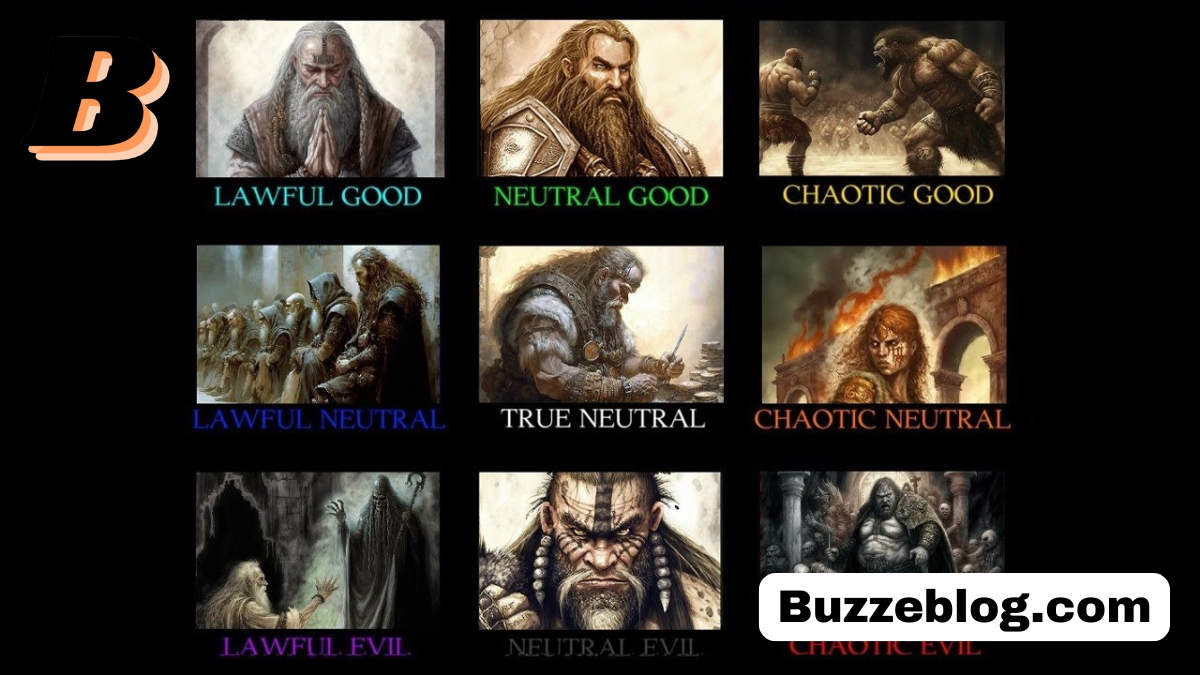
One of the most recognizable features of alignment is the grid system, which typically combines two axes to create a range of moral possibilities. The first axis often represents law versus chaos, addressing how much a character values structure, rules, and societal order. The second axis usually represents good versus evil, focusing on compassion, selfishness, and intent. When these axes intersect, they form a matrix that allows for a diverse set of character identities.
The brilliance of the alignment grid lies in its clarity. It provides players with an easy-to-understand framework while still leaving plenty of room for interpretation. For example, two characters might both identify as “good,” yet one could strictly follow rules while the other believes in breaking them for the right reasons. This distinction helps differentiate personalities and encourages players to think carefully about their character’s worldview.
However, it is important not to treat the grid as a cage. Alignment works best when used as a guideline rather than an unbreakable rulebook. Characters should be allowed to grow, question their beliefs, and even shift their moral perspectives over time. After all, personal transformation is a powerful narrative tool, and alignment can enhance that journey rather than limit it.
Lawful Good: The Ideal Hero
Lawful Good characters are often seen as the classic heroes of fantasy storytelling. They believe in justice, honor, and the protection of others, striving to create a world where fairness prevails. These characters respect laws and traditions, not because they are blindly obedient, but because they see structure as a way to safeguard society. Their moral clarity makes them dependable allies and natural leaders within a party.
Despite their admirable qualities, playing a Lawful Good character can present interesting challenges. Strict adherence to principles sometimes leads to difficult choices, especially when laws conflict with compassion. Imagine a scenario where following the rules would harm innocent people. Does the character uphold the law, or do they break it to protect others? These dilemmas create compelling role-playing opportunities that go far beyond simple heroism.
It is also worth noting that Lawful Good does not mean flawless. Characters can struggle with pride, rigidity, or unrealistic expectations. When portrayed thoughtfully, these imperfections make them feel human rather than idealized. A well-crafted Lawful Good character inspires trust while still leaving room for personal growth and emotional depth.
Neutral Good: Compassion Above All
Neutral Good characters prioritize kindness and empathy over rigid ideologies. They are motivated by a genuine desire to help others, but they are not overly concerned with whether their actions align with laws or traditions. For them, the outcome matters more than the method, as long as it leads to a positive impact. This flexibility allows Neutral Good characters to adapt quickly to changing circumstances.
One of the strengths of this alignment is its practicality. Neutral Good characters often act as mediators within a party, bridging gaps between more extreme personalities. They can collaborate with lawful companions without becoming constrained, while still understanding the perspectives of more chaotic allies. This balance makes them invaluable in cooperative storytelling environments.
Yet, compassion can sometimes come at a cost. Neutral Good characters may struggle with burnout, moral fatigue, or the emotional weight of constantly helping others. Exploring these vulnerabilities adds realism and emotional resonance to the character. Instead of being endlessly altruistic, they become relatable individuals navigating a complicated world.
Chaotic Good: Freedom with a Heart
Chaotic Good characters believe that true goodness cannot exist without freedom. They challenge oppressive systems, question authority, and follow their conscience even when it leads them into trouble. These characters are often rebels, innovators, and visionaries who refuse to accept injustice simply because it is sanctioned by tradition.
Role-playing a Chaotic Good character can be incredibly exciting because it encourages bold decisions. Whether freeing prisoners, exposing corruption, or defying tyrants, these characters thrive on action. Their unpredictability keeps stories dynamic, ensuring that no situation feels entirely scripted or safe.
However, chaos should not be mistaken for recklessness. The most compelling Chaotic Good characters understand the consequences of their actions and choose rebellion thoughtfully rather than impulsively. By grounding their independence in empathy, players can avoid turning the character into a disruptive force and instead portray a passionate champion of change.
Lawful Neutral: Order Above Emotion

Lawful Neutral characters are guided primarily by structure and consistency. They believe that a functioning system is essential for stability, even if it sometimes produces uncomfortable outcomes. Unlike Lawful Good characters, they are not driven by compassion; instead, they focus on fairness, predictability, and the preservation of order.
This alignment offers fascinating role-playing potential because it challenges players to separate personal feelings from duty. A Lawful Neutral judge, for instance, might deliver a harsh sentence while privately sympathizing with the accused. That tension between responsibility and emotion can create deeply dramatic moments within a campaign.
Critics sometimes view Lawful Neutral characters as cold or inflexible, but that perception overlooks their integrity. Their commitment to principles can make them highly trustworthy, especially in chaotic environments. When portrayed with nuance, they become pillars of stability rather than emotionless bureaucrats.
True Neutral: The Balance Seekers
True Neutral characters occupy the middle ground, resisting extremes in favor of equilibrium. Some pursue balance intentionally, believing that too much order or chaos can destabilize the world. Others simply focus on their own lives without feeling compelled to champion grand moral causes.
One advantage of this alignment is its versatility. True Neutral characters can interact with a wide range of personalities without appearing hypocritical. They often act as observers, offering thoughtful perspectives that more ideologically driven characters might overlook. This ability to remain centered can be surprisingly powerful in high-stakes narratives.
Still, neutrality should not be confused with apathy. A well-developed True Neutral character has motivations, values, and boundaries. Their choices may stem from pragmatism, philosophical beliefs, or a desire for harmony. By defining these internal drivers, players can ensure the character feels intentional rather than directionless.
Chaotic Neutral: The Wild Card
Chaotic Neutral is perhaps the most misunderstood alignment. These characters prioritize personal freedom above all else, resisting rules that attempt to control their behavior. They are unpredictable, sometimes eccentric, and often guided by curiosity or impulse rather than long-term strategy.
When handled responsibly, Chaotic Neutral characters bring energy and surprise to a campaign. Their willingness to explore unconventional solutions can help the party escape seemingly impossible situations. They remind everyone that creativity often thrives outside rigid boundaries.
That said, players must be careful not to use this alignment as an excuse for disruptive behavior. True Chaotic Neutral characters are not inherently destructive; they simply value autonomy. By grounding their actions in consistent personality traits, players can maintain harmony within the group while still embracing spontaneity.
Lawful Evil: Calculated Control
Lawful Evil characters believe in hierarchy, discipline, and strategic power. Unlike chaotic villains who revel in destruction, they prefer structured environments where authority can be leveraged for personal gain. These characters often operate within systems, manipulating rules to strengthen their position.
From a storytelling perspective, Lawful Evil antagonists can be incredibly compelling because their actions are deliberate rather than impulsive. They plan carefully, anticipate resistance, and rarely underestimate their opponents. This calculated approach makes them formidable adversaries who challenge heroes intellectually as well as physically.
Interestingly, Lawful Evil characters are not always obvious villains. Some may present themselves as respectable leaders while quietly pursuing selfish agendas. This duality creates tension and intrigue, encouraging players to question appearances and dig deeper into motivations.
Neutral Evil: Pure Self-Interest
Neutral Evil represents unfiltered pragmatism driven by personal benefit. These characters are not concerned with order or chaos; they simply pursue whatever path offers the greatest advantage. Loyalty is often conditional, lasting only as long as it serves their goals.
Because of their adaptability, Neutral Evil characters can be difficult to predict. They might cooperate with heroes one moment and betray them the next if circumstances shift. This unpredictability can heighten dramatic stakes, keeping players constantly alert.
Despite their ruthless tendencies, Neutral Evil characters need not be caricatures. Exploring their fears, desires, and rationalizations can reveal a disturbingly relatable side. By understanding what drives them, storytellers can craft narratives that feel psychologically rich rather than superficially villainous.
Chaotic Evil: Destruction Unleashed
Chaotic Evil characters embody unrestrained malice and disregard for order. They act on destructive impulses, often caring little for the suffering they cause. While this alignment is frequently associated with monstrous villains, it can also represent individuals consumed by hatred or nihilism.
In storytelling, Chaotic Evil forces often serve as catalysts for unity among heroes. When faced with overwhelming darkness, characters must confront their own values and collaborate despite differences. This dynamic can produce powerful emotional payoffs.
However, portraying Chaotic Evil effectively requires nuance. Endless brutality without purpose quickly becomes repetitive. By giving these characters motivations—however twisted—writers and game masters can create antagonists who are both terrifying and memorable.
Why Alignment Matters in Role-Playing
Alignment is more than a label; it is a storytelling engine. It encourages players to think critically about choices rather than acting randomly. When characters have defined moral perspectives, their actions carry greater weight, making victories sweeter and failures more impactful.
Another benefit of alignment is its ability to facilitate collaboration. When everyone understands the ethical landscape of a campaign, conflicts become narrative opportunities instead of personal disagreements. Players can debate strategies in character, enriching the role-playing experience without damaging group cohesion.
Perhaps most importantly, alignment invites introspection. By stepping into someone else’s moral framework, players explore perspectives they might never consider in real life. This imaginative empathy is one of the most powerful aspects of RPGs, transforming games into exercises in creativity and understanding.
Alignment as a Tool for Character Development
Characters rarely remain static, and alignment can reflect that evolution. A mercenary might begin with selfish motives but gradually develop compassion through shared struggles. Conversely, a noble hero might become disillusioned after repeated betrayals. These shifts feel organic when supported by meaningful experiences.
Tracking alignment changes also helps players recognize turning points in their character’s journey. Moments of sacrifice, temptation, or revelation can redefine identity, creating memorable arcs that resonate long after the campaign ends. Such transformations remind us that morality is not fixed; it is shaped by choices.
Game masters can enhance this process by presenting dilemmas without obvious answers. When characters must weigh competing values, alignment becomes a living part of the narrative rather than a static descriptor. This dynamic approach keeps storytelling fresh and emotionally engaging.
Common Misconceptions About Alignment
One widespread misconception is that alignment restricts creativity. In truth, it often does the opposite by providing a foundation upon which complex personalities can be built. Knowing a character’s ethical orientation helps players improvise reactions with confidence.
Another misunderstanding is the belief that alignment dictates every decision. People are inconsistent, and fictional characters should be as well. Occasional contradictions make them believable. What matters is the underlying pattern of behavior, not flawless adherence to a label.
Finally, some assume alignment inevitably leads to conflict within a party. While disagreements can occur, they often enhance drama rather than derail it. With respectful communication, differing perspectives become opportunities for character growth and collaborative storytelling.
Modern Alternatives to Traditional Alignment
As RPG design continues to evolve, some systems have experimented with replacing alignment altogether. Instead of broad categories, they use traits, motivations, or value statements to define characters. These approaches aim to capture moral complexity without relying on predefined grids.
For example, a game might encourage players to identify personal beliefs such as loyalty, ambition, or curiosity. These guiding principles can shift more fluidly than traditional alignment, reflecting the unpredictable nature of human behavior. Many players appreciate this flexibility, especially in narrative-focused campaigns.
Still, traditional alignment remains popular because of its simplicity and familiarity. Rather than viewing these approaches as competitors, it is helpful to see them as complementary tools. Each offers unique advantages, and the best choice depends on the tone and goals of the campaign.
Tips for Choosing the Right Alignment
Selecting an alignment should begin with a simple question: what story do you want to tell? Consider your character’s background, aspirations, and fears. A former soldier might value discipline, while a street performer might prioritize freedom. Let these details guide your decision naturally.
It is also wise to think about party dynamics. Choosing an alignment that harmonizes with the group can foster cooperation while still leaving room for interesting tension. Balance is key; too much similarity can feel dull, but constant conflict may become exhausting.
Above all, remain open to change. Alignment is a starting point, not a life sentence. As your character encounters new challenges, allow their worldview to evolve. This flexibility ensures that the role-playing experience remains vibrant and authentic.
Using Alignment to Enhance Storytelling
Game masters can leverage alignment to craft richer narratives by presenting morally layered scenarios. Instead of offering clear heroes and villains, introduce situations where every option carries consequences. Such dilemmas encourage players to engage deeply with the story.
Alignment can also influence world-building. Societies might be structured around shared values, creating cultural contrasts that spark intrigue. A rigid empire could clash with a free-spirited frontier, inviting players to navigate ideological tensions.
When alignment informs both characters and setting, the result is a cohesive narrative ecosystem. Every decision feels interconnected, and players become active participants in shaping the moral landscape of the world.
Balancing Alignment with Player Freedom
While alignment is valuable, it should never overshadow player agency. The goal is to inspire role-playing, not to police it. Encouraging players to interpret alignment creatively fosters a more inclusive and enjoyable environment.
Communication plays a crucial role here. Discuss expectations early in the campaign so everyone understands how strictly alignment will be treated. Some groups prefer it as a loose guideline, while others enjoy tracking shifts more formally. Aligning these preferences prevents misunderstandings later.
Ultimately, the best campaigns strike a balance between structure and spontaneity. Alignment provides direction, but the magic of RPGs lies in the unexpected moments that emerge when imagination takes the lead.
The Future of Alignment in RPGs
As storytelling techniques grow more sophisticated, alignment will likely continue evolving. Designers are increasingly interested in systems that reflect moral ambiguity, cultural diversity, and psychological depth. Yet the enduring popularity of alignment suggests it will remain a cornerstone of RPG design in some form.
Future games may blend traditional grids with personalized value systems, offering both clarity and flexibility. Advances in digital RPGs could even allow morality to adapt dynamically based on player behavior, creating worlds that respond in real time.
Regardless of how it changes, the essence of alignment will endure because it speaks to something fundamental: our fascination with choices and consequences. By exploring these themes through play, RPGs invite us to reflect on our own values while embarking on extraordinary adventures.
Conclusion
Alignment RPG systems have stood the test of time because they enrich storytelling without stifling creativity. They help players craft believable characters, navigate ethical dilemmas, and collaborate on narratives that feel both epic and personal. Whether you embrace the classic grid or experiment with modern alternatives, alignment remains a powerful lens through which to view role-playing.
Understanding alignment is not about memorizing categories; it is about recognizing the motivations that drive behavior. When used thoughtfully, it transforms campaigns into explorations of identity, responsibility, and transformation. These themes resonate far beyond the gaming table, reminding us why stories matter.
In the end, alignment is less about labels and more about journeys. Every choice shapes the narrative, every dilemma reveals character, and every transformation adds depth to the adventure. By engaging with alignment creatively, players and storytellers alike can unlock the full potential of the role-playing experience.
FAQs
What is alignment in RPGs?
Alignment is a system that defines a character’s moral and ethical perspective, guiding their decisions and behavior.
Do all RPGs use alignment systems?
No, many modern RPGs use alternative mechanics like traits or motivations instead of traditional alignment grids.
Can a character’s alignment change during a campaign?
Yes, alignment often evolves as characters grow and respond to significant experiences.
Is alignment meant to restrict player choices?
No, it serves as a guideline to inspire consistent role-playing rather than limit creativity.
Which alignment is best for beginners?
Neutral Good is often recommended because it balances compassion with flexibility.
Are evil alignments suitable for player characters?
They can work if handled thoughtfully and agreed upon by the group to maintain cooperation.
What is the difference between lawful and chaotic?
Lawful characters value order and rules, while chaotic characters prioritize freedom and individuality.
Does alignment affect gameplay mechanics?
In some systems it influences abilities or interactions, but in others it is purely narrative.
Can two characters with the same alignment behave differently?
Absolutely, personality, background, and goals create variety within any alignment.
Why is alignment still popular today?
Because it provides an accessible framework for exploring morality while enhancing storytelling depth.
Also read: Golden Pompano: The Complete Expert Guide to One of the Ocean’s Most Valued Fish