The Geographic Power of the Andes in Chile
When we talk about mountains in Chile, we are really talking about the backbone of an entire nation. Chile is a long, narrow country stretching along the western edge of South America, and almost its entire eastern border is defined by the legendary Andes. These mountains are not just a scenic backdrop; they shape Chile’s climate, culture, economy, and identity in ways that are both dramatic and subtle. From the arid north to the icy south, the Andes shift in character, altitude, and mood, offering one of the most diverse mountain systems on Earth.
The Andes in Chile form a natural wall separating the country from Argentina, and in many places, they rise sharply from valleys and plains with almost intimidating steepness. This creates a unique topography where coastal ranges run parallel to the Andes, and fertile central valleys lie in between. The mountains influence rainfall patterns, river systems, and even agricultural productivity. Without them, Chile would be an entirely different country geographically and economically.
One of the most fascinating aspects of the Andes in Chile is their geological youth. These mountains were formed by the subduction of the Nazca Plate beneath the South American Plate, a process that continues today. This ongoing tectonic activity not only builds mountains but also fuels Chile’s famous volcanic activity. In short, the mountains in Chile are alive in a geological sense, constantly evolving and reshaping the land.
Northern Chile: Volcanoes and the Atacama Highlands
In northern Chile, the mountains take on a completely different personality. Here, the Andes rise from one of the driest places on Earth, the Atacama Desert. This stark contrast between barren desert plains and towering snow-capped peaks creates a surreal landscape that feels almost extraterrestrial. The dryness preserves ancient geological features, making the region a paradise for scientists and photographers alike.
The high plateau region, known as the Altiplano, is dotted with volcanoes, salt flats, and turquoise lagoons. Many of these volcanoes are still active or dormant rather than extinct, reminding visitors that the earth beneath their feet is restless. The thin air at these elevations can be challenging, but it also enhances the clarity of the skies, which is why some of the world’s most advanced astronomical observatories are located here.
Among the giants of northern Chile stands Ojos del Salado, the highest volcano in the world and one of the tallest mountains in the Western Hemisphere. Climbing it requires serious preparation due to its altitude and harsh conditions. Yet it remains a dream destination for mountaineers who want to test themselves against one of the planet’s most extreme environments.
Central Chile: Peaks Overlooking the Capital
Moving south into central Chile, the mountains become greener and more accessible. This is where the Andes loom over the capital city of Santiago, creating a dramatic skyline that changes color with the seasons. In winter, the peaks are dusted with snow, while in summer they appear rugged and sunbaked. For residents, the mountains are not distant landmarks; they are part of everyday life.
Central Chile is also home to Aconcagua’s neighboring giants, although the highest peak in the Andes, Aconcagua, technically lies across the border in Argentina. Even so, its presence influences the entire region. The Chilean side of the Andes features numerous peaks that exceed 6,000 meters, attracting climbers from around the world.
This region is also known for its ski resorts, such as Valle Nevado and La Parva, which thrive thanks to consistent winter snowfall at high elevations. The accessibility of these mountains from Santiago makes them particularly attractive for both tourists and locals. You can leave the city in the morning and be skiing by midday, a convenience that few capitals in the world can match.
Southern Chile: Forested Mountains and Glacial Drama
As you travel further south, the mountains in Chile transform once again. The dry desert landscapes give way to lush temperate rainforests, crystal-clear lakes, and snow-capped volcanic cones. This is the gateway to Chilean Patagonia, a region synonymous with raw, untamed beauty. The peaks here are often jagged and dramatic, shaped by ancient glaciers that carved deep valleys and fjords.
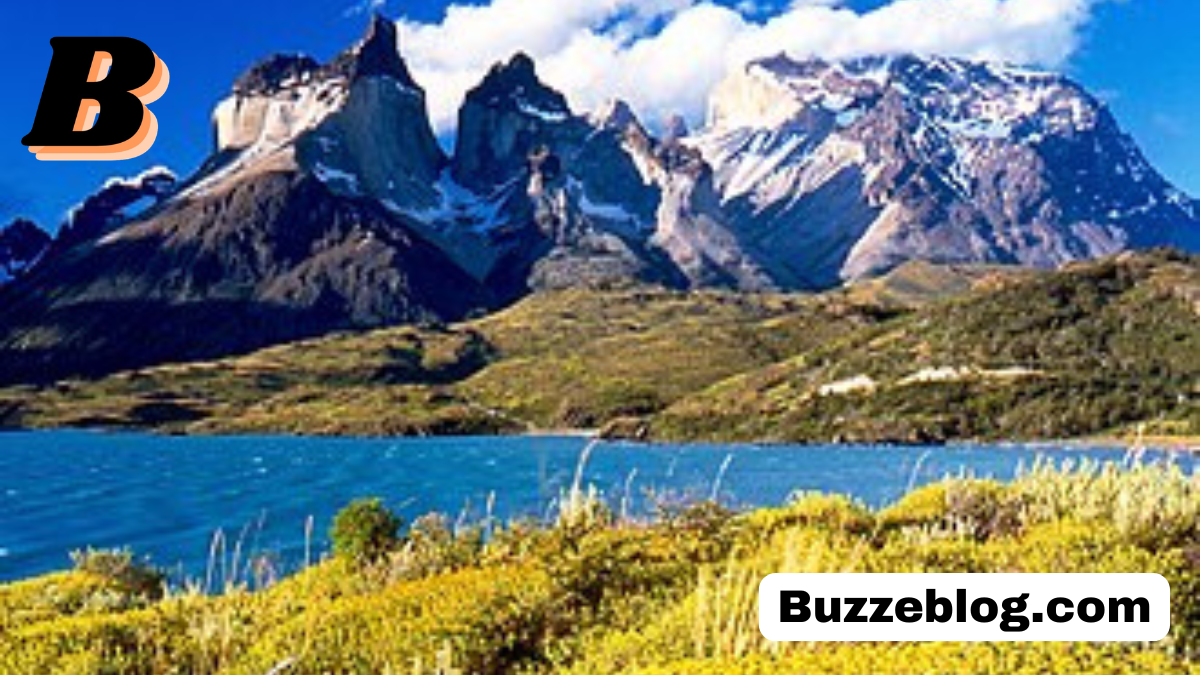
One of the most iconic destinations in southern Chile is Torres del Paine National Park. The park’s granite towers rise almost vertically from the landscape, creating one of the most recognizable mountain silhouettes in the world. Trekking routes like the W and O circuits attract thousands of hikers annually, each eager to experience the region’s shifting weather and breathtaking scenery.
The southern Andes are also part of the greater Patagonia region, which stretches into Argentina. Here, the mountains are not just high; they are wild. The weather can change in minutes, and strong winds are a constant companion. Yet this unpredictability adds to the allure, making every visit feel like an expedition into a living, breathing wilderness.
Volcanic Peaks: Fire Beneath the Ice
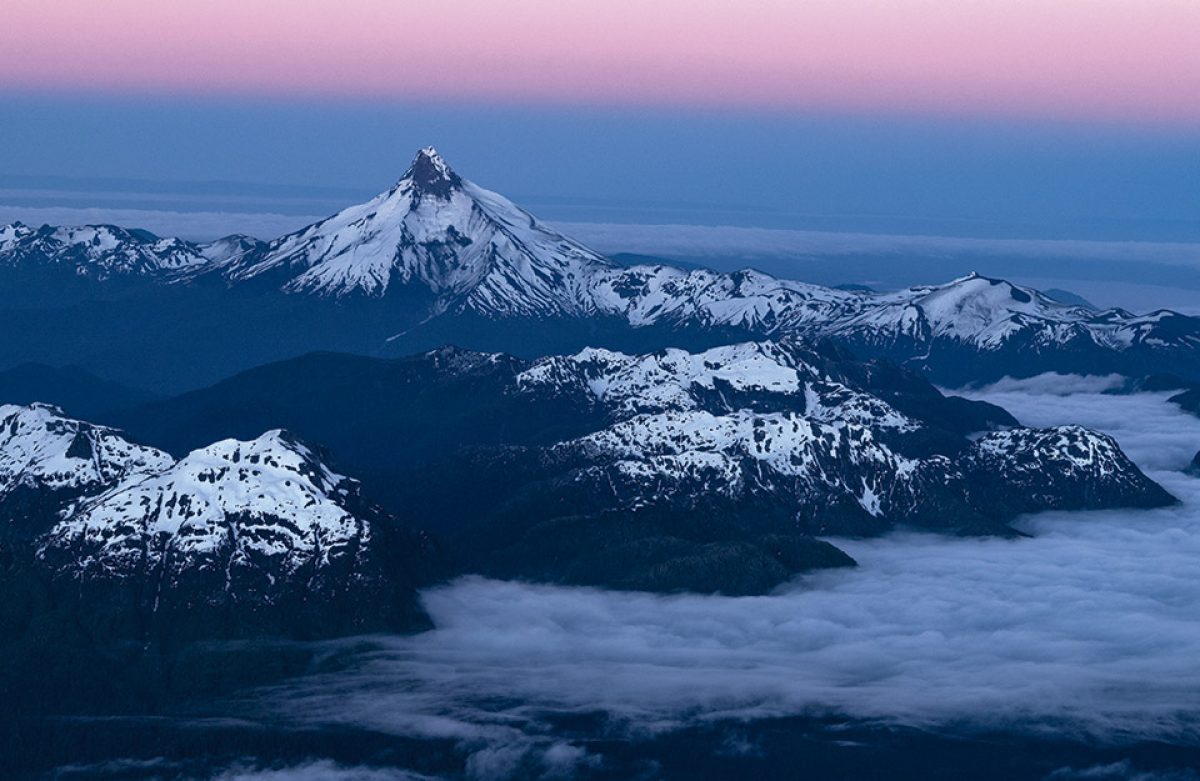
Chile is often called the land of volcanoes, and for good reason. The country sits on the Pacific Ring of Fire, meaning volcanic activity is a regular part of its geological story. Many of the mountains in Chile are actually stratovolcanoes, characterized by symmetrical cones and explosive potential.
One of the most famous is Villarrica Volcano, located near the city of Pucón. This volcano is known for its persistent lava lake and frequent minor eruptions. Adventurous travelers can climb to its crater with certified guides, standing at the edge of one of nature’s most powerful phenomena.
The presence of volcanoes has practical implications as well. Volcanic soils are incredibly fertile, supporting agriculture in surrounding valleys. At the same time, eruptions can disrupt communities, reminding Chileans that living among mountains requires resilience and preparedness.
Glaciers and Ice Fields of the Southern Andes
The southern Andes are home to some of the largest ice fields outside of Antarctica. These glaciers feed rivers, shape landscapes, and contribute to the dramatic fjords that define southern Chile’s coastline. The Northern and Southern Patagonian Ice Fields are massive reservoirs of freshwater, slowly flowing and carving the land beneath them.
Glaciers in Chile are not static; they are dynamic systems that respond to climate conditions. Some have retreated significantly in recent decades, drawing attention from scientists studying global climate change. The visual contrast between blue ice and dark rock creates some of the most photogenic mountain scenery on Earth.
Exploring these icy regions often requires boats, trekking, and sometimes technical climbing. Yet even from a distance, the sight of glaciers descending from rugged peaks leaves a lasting impression. They serve as a reminder that mountains in Chile are not just rock; they are water towers and climate regulators.
Cultural Significance of the Mountains
The mountains in Chile are more than geological formations; they are cultural symbols. Indigenous communities such as the Mapuche have long viewed certain peaks as sacred. Mountains appear in folklore, music, and art, often representing strength, endurance, and protection.
In modern Chilean society, the Andes symbolize national identity. They appear on postcards, advertisements, and even in everyday conversation as a reference point for direction and orientation. When people talk about “going to the mountains,” they are tapping into a shared cultural experience that transcends social boundaries.
Festivals and traditions in mountain regions often revolve around agricultural cycles influenced by altitude and climate. The mountains shape not just the land but the rhythm of life itself.
Mountaineering and Adventure Tourism
Chile has become a global hotspot for mountaineers and adventure seekers. From beginner-friendly trekking routes to highly technical climbs, the country offers something for every level of experience. The diversity of terrain means you can climb a desert volcano one week and trek through glacial valleys the next.
International climbers are drawn to peaks like Cerro Fitz Roy, located near the Chile-Argentina border. Though technically in Argentina, its dramatic spire influences the entire Patagonian climbing scene, including routes accessed from Chilean territory.
Adventure tourism contributes significantly to local economies, especially in southern regions. Guides, lodges, and equipment providers form an ecosystem that supports sustainable travel while showcasing the country’s natural treasures.
Biodiversity in Mountain Ecosystems
Mountain ecosystems in Chile are incredibly diverse. In the north, hardy plants and animals have adapted to extreme dryness and high UV radiation. In the central region, Mediterranean climates support vineyards and orchards nestled against foothills. In the south, dense forests host species found nowhere else on Earth.
Altitudinal variation creates microclimates, meaning biodiversity can shift dramatically within short distances. You might start your day in a warm valley and end it among alpine meadows dotted with wildflowers. This vertical layering of life is one of the most fascinating aspects of Chile’s mountains.
Conservation efforts are ongoing to protect fragile ecosystems from overdevelopment and climate change. National parks and reserves play a crucial role in maintaining biodiversity while allowing responsible tourism.
Climate and Weather Patterns
The Andes act as a climate barrier, influencing precipitation patterns across Chile. Northern regions remain arid because moist air masses lose their water before reaching the desert. Central Chile experiences seasonal rainfall, while the south receives abundant precipitation due to prevailing westerly winds.
Mountain weather is notoriously unpredictable. Rapid temperature drops, sudden snowstorms, and strong winds are common at higher elevations. Proper preparation is essential for anyone venturing into these environments.
Climate change adds another layer of complexity, affecting snowpack levels and glacier stability. Understanding these shifts is critical for water management and long-term planning.
Economic Importance of the Mountains
The mountains in Chile are economically vital. Mining operations in the Andes extract copper, lithium, and other valuable minerals that drive the national economy. Hydroelectric projects harness mountain rivers to generate power. Tourism brings international revenue and creates jobs in remote regions.
Agriculture also benefits from mountain-fed rivers that irrigate valleys. Vineyards producing world-class wines depend on snowmelt for consistent water supply. Without the Andes, Chile’s economic landscape would look dramatically different.
At the same time, balancing economic activity with environmental protection remains an ongoing challenge. Sustainable practices are essential to ensure that mountain resources are not depleted for future generations.
The Future of Chile’s Mountains
Looking ahead, the mountains in Chile will continue to play a central role in the country’s story. Climate adaptation strategies, conservation initiatives, and responsible tourism models will shape how these landscapes are preserved and utilized.
Technological advancements in monitoring seismic and volcanic activity will improve safety for communities living near active peaks. Meanwhile, international cooperation in climate research will help protect glaciers and water resources.
Ultimately, the mountains in Chile are more than a geographic feature; they are a living system intertwined with every aspect of national life. Their grandeur inspires awe, their resources sustain livelihoods, and their challenges demand respect.
Conclusion: A Land Defined by Elevation
To understand Chile, you must understand its mountains. From the volcanic highlands of the north to the glacial wilderness of the south, the Andes shape the nation’s climate, culture, economy, and identity. They are at once beautiful and formidable, inviting exploration while commanding caution.
The mountains in Chile are not just destinations; they are experiences. They challenge climbers, nourish valleys, inspire artists, and remind everyone who stands before them of nature’s immense power. Whether you are a scientist, an adventurer, or simply a traveler seeking perspective, Chile’s mountains offer lessons in resilience, scale, and wonder.
FAQs
What is the highest mountain in Chile?
Ojos del Salado is the highest mountain in Chile and the tallest volcano in the world.
Are the Andes the only mountains in Chile?
No, Chile also has coastal mountain ranges, but the Andes are the most dominant system.
Is it safe to climb volcanoes in Chile?
Yes, with certified guides and proper preparation, many volcanoes can be climbed safely.
When is the best time to visit the mountains in Chile?
The best time depends on the region, but summer months are generally ideal for trekking.
Do the mountains affect Chile’s climate?
Yes, the Andes strongly influence rainfall, temperature, and regional weather patterns.
Also read: What Is a No Contest Plea? A Complete Expert Guide