
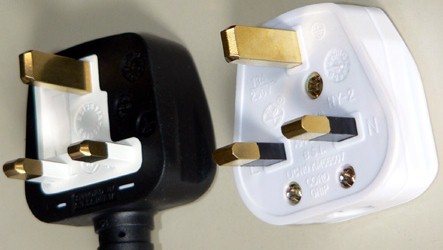
Introduction to the UK Mains Plug
The UK mains plug is one of the most recognizable electrical plug designs in the world. Known for its distinctive three rectangular pins and robust structure, it is widely regarded as one of the safest plug designs ever created. While many countries use different plug standards, the UK mains plug follows strict regulations that prioritize safety, durability, and efficiency. For anyone living in the United Kingdom or using British electrical appliances, understanding the design and function of the UK mains plug is essential.
One of the main reasons the UK mains plug stands out is because of its built-in safety mechanisms. Unlike many other plug types around the world, the UK version includes a fuse inside the plug itself. This fuse acts as an additional layer of protection, helping prevent electrical overloads and potential fires. The design also ensures that the earth pin connects before the live and neutral pins, further enhancing safety when plugging devices into a socket.
In everyday life, the UK mains plug is used for almost every household appliance, from kettles and televisions to computers and chargers. Its consistent design makes it easy for consumers to recognize and safely use electrical devices without confusion. Over the years, this plug has become a symbol of British engineering standards, demonstrating how thoughtful design can make everyday technology safer and more reliable.
History and Development of the UK Mains Plug
The modern UK mains plug did not appear overnight. Instead, it evolved over several decades as engineers and regulators worked to create a safer electrical system for homes and businesses. In the early days of electricity, there was little standardization, which meant different appliances used different plug types. This lack of uniformity often led to safety concerns and compatibility problems.
After the Second World War, the need for a unified electrical system in the United Kingdom became more urgent. The country was rebuilding infrastructure, and the government wanted a standardized plug that could handle higher electrical loads safely. Engineers developed a new plug design that would later become known as the Type G plug. This design included three rectangular pins arranged in a triangular shape, providing both stability and electrical safety.
The British Standards Institution eventually formalized the design through the BS 1363 standard. This standard specified the exact dimensions, materials, and safety features required for plugs and sockets used in the UK. Since then, the UK mains plug has remained largely unchanged, proving that its original design was both practical and effective.
Basic Structure of a UK Mains Plug
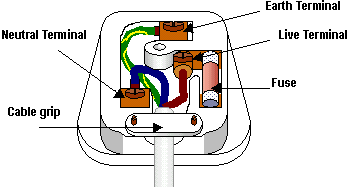
The structure of a UK mains plug may look simple at first glance, but it is actually the result of careful engineering. Each component has a specific purpose and works together to ensure safe electrical connections. The plug typically consists of three pins, an outer casing, internal wiring terminals, and a fuse.
The three pins are arranged in a triangular formation. The top pin is the earth pin, which is slightly longer than the other two. This ensures that the earth connection is established before the live and neutral pins make contact with the socket. The two lower pins carry the electrical current, with one designated as the live pin and the other as the neutral pin.
Inside the plug, the wiring terminals connect the appliance’s cable to the pins. These terminals are designed to securely hold the wires in place while preventing accidental contact with other parts of the plug. The internal fuse is another crucial element, protecting the appliance and wiring from excessive electrical current.
The Three Pins and Their Functions
The UK mains plug is easily identified by its three rectangular pins, each with a specific role. Understanding the function of these pins helps explain why the design is considered so safe and reliable.
The live pin carries the electrical current from the power supply into the appliance. This is the wire that delivers the electricity needed to operate devices such as lamps, kettles, or computers. Because it carries current, the live wire is considered the most dangerous if handled incorrectly.
The neutral pin completes the electrical circuit by returning the current back to the power source. While it usually carries less risk than the live wire, it still plays a critical role in maintaining the flow of electricity. Without a neutral connection, the appliance would not function properly.
The earth pin provides a safety path for electrical faults. If a device develops a fault and electricity escapes from the live wire, the earth connection directs the current safely into the ground. This prevents electric shocks and reduces the risk of fires.
Importance of the Built-In Fuse
One of the most unique features of the UK mains plug is its built-in fuse. Many countries rely solely on circuit breakers or fuse boxes in the main electrical panel, but the UK plug includes an additional layer of protection directly inside the plug itself.
The fuse is designed to break the electrical circuit if the current becomes too high. For example, if an appliance develops a fault or draws more power than it should, the fuse will blow. When this happens, the metal wire inside the fuse melts and stops the flow of electricity.
Different appliances require different fuse ratings. A small device like a lamp may use a 3-amp fuse, while a more powerful appliance like a heater may require a 13-amp fuse. Using the correct fuse rating is important because it ensures the appliance is protected without unnecessarily interrupting normal operation.
Safety Features of the UK Plug Design
Safety is the main reason the UK mains plug is so widely respected. Every aspect of its design was created with the goal of reducing electrical hazards and protecting users from accidents.
One of the key safety features is the insulated base of the live and neutral pins. This insulation prevents accidental contact with the metal parts while inserting or removing the plug. As a result, even if someone partially removes the plug from the socket, they are less likely to touch a live electrical surface.
Another important feature is the shutter mechanism inside UK wall sockets. The shutters remain closed until the earth pin is inserted. This prevents children from inserting objects into the socket and coming into contact with live electrical parts.
The strong plastic casing of the plug also contributes to safety. It protects the internal wiring and prevents damage that could expose electrical components. Together, these features make the UK mains plug one of the safest electrical connectors in the world.
Wiring a UK Mains Plug Correctly
Wiring a UK mains plug is a skill that many people learn when working with electrical appliances or replacing damaged plugs. While the process is relatively simple, it must be done carefully to ensure safety.
The first step is identifying the three wires inside the cable. The brown wire is the live wire, the blue wire is the neutral wire, and the green-and-yellow wire is the earth wire. Each of these wires must be connected to the correct terminal inside the plug.
The live wire is connected to the terminal with the fuse, while the neutral wire connects to the opposite terminal. The earth wire connects to the top terminal linked to the longer earth pin. Once the wires are secured, the cable clamp inside the plug must be tightened to hold the cable firmly in place.
After wiring the plug, the casing is closed with screws to ensure everything stays secure. When wired correctly, the plug will safely deliver electricity to the appliance without risk of loose connections or electrical faults.
Common Appliances That Use UK Mains Plugs
Almost every household appliance in the United Kingdom uses the standard UK mains plug. From small gadgets to large kitchen equipment, this plug design supports a wide range of electrical devices.
Kitchen appliances are among the most common devices using UK plugs. Electric kettles, toasters, microwaves, and blenders all rely on the standard plug to draw power from household sockets. These appliances often require higher power levels, which the plug can safely handle.
Entertainment devices also depend on UK mains plugs. Televisions, gaming consoles, sound systems, and desktop computers all use the standard plug format. Because of its durable design, the plug can handle frequent plugging and unplugging without wearing out quickly.
Office equipment is another major category. Printers, monitors, routers, and chargers all use UK plugs to connect to the electrical system. This universal compatibility makes it easy to power multiple devices in homes and workplaces.
Comparison With Other Plug Types Around the World
Different countries use different plug designs, each developed to meet local electrical standards. Comparing the UK mains plug with other types highlights why it is often considered superior in terms of safety.
For example, many European countries use two-pin plugs without fuses. While these plugs are smaller and more compact, they lack some of the safety features found in the UK design. The absence of a fuse means that protection relies entirely on the building’s electrical system.
In the United States, plugs typically have two flat pins and sometimes a round grounding pin. While the design is practical and widely used, it does not include the same level of internal protection as the UK plug.
The UK plug’s combination of a fuse, grounding pin, and shuttered socket system gives it a significant advantage in preventing electrical accidents.
Maintenance and Troubleshooting
Even though UK mains plugs are designed to be durable, they still require occasional maintenance. Over time, plugs can become worn or damaged, especially if they are frequently unplugged or used with heavy appliances.
One common issue is a blown fuse. When this happens, the appliance stops working because the fuse has cut off the electrical current. Replacing the fuse is usually a quick and simple process that restores the device to normal operation.
Loose wiring is another potential problem. If the internal wires become loose, the appliance may lose power or operate intermittently. Checking and tightening the terminals inside the plug can often resolve this issue.
Physical damage to the plug casing should also be taken seriously. Cracks or broken parts can expose internal components and create safety hazards. In such cases, replacing the plug is usually the safest solution.
Environmental Impact and Future Developments
As technology evolves, the design of electrical systems continues to improve. While the UK mains plug remains largely unchanged, there are ongoing discussions about how electrical connectors can become more energy-efficient and environmentally friendly.
One potential improvement involves using more sustainable materials in plug manufacturing. Many plugs are currently made from durable plastics that can last for years, but manufacturers are exploring alternatives that are easier to recycle.
Smart technology may also play a role in the future of electrical plugs. Some modern plugs already include energy monitoring features that allow users to track how much electricity their devices consume.
Despite these innovations, the basic design of the UK mains plug is likely to remain the same for many years. Its combination of safety, reliability, and durability has proven difficult to improve upon.
Conclusion
The UK mains plug is a remarkable example of thoughtful engineering and safety-focused design. From its three rectangular pins to its built-in fuse, every element serves a purpose in protecting users and ensuring reliable electrical connections. Over the decades, this plug has become a trusted standard for homes and businesses throughout the United Kingdom.
Its history reflects the importance of standardization in electrical systems. By adopting a single plug design, the UK was able to create a safer and more consistent power infrastructure. This approach reduced confusion, improved compatibility, and helped prevent accidents.
Today, the UK mains plug continues to power millions of appliances every day. Whether used for cooking, entertainment, or work, it remains a vital part of modern life. As technology advances, the plug may evolve in small ways, but its core design will likely remain a benchmark for electrical safety around the world.
FAQs
What is a UK mains plug?
A UK mains plug is a three-pin electrical connector used to power appliances from standard UK wall sockets.
Why does the UK plug have three pins?
The three pins provide live, neutral, and earth connections for safe electrical operation.
What is the purpose of the fuse in a UK plug?
The fuse protects appliances by cutting off power if the electrical current becomes too high.
Which wire goes to the fuse in a UK plug?
The brown live wire connects to the terminal with the fuse.
Why is the earth pin longer than the others?
The earth pin opens the socket shutters and connects first to ensure safety.
What fuse rating is used in most UK plugs?
Most plugs use either a 3-amp fuse for small devices or a 13-amp fuse for larger appliances.
Can you replace a UK plug fuse yourself?
Yes, replacing a fuse is simple as long as the correct fuse rating is used.
Is the UK plug safer than other plug types?
Many experts consider it safer because it includes a fuse and a grounding system.
Do all UK appliances use the same plug type?
Yes, most appliances use the standard Type G UK mains plug.
Can UK plugs be used in other countries?
They usually require an adapter because other countries use different socket types.
Also read:Eslington Villa: A Complete Guide to the Historic Boutique Hotel Experience