Introduction to Peru Independence Day
Peru Independence Day is one of the most important national celebrations in Peru, marking the moment when the country declared freedom from Spanish colonial rule. Every year, Peruvians celebrate this historic occasion on July 28, a date that symbolizes courage, unity, and the birth of a sovereign nation. The holiday is commonly referred to as “Fiestas Patrias,” which translates to “National Holidays,” and the celebrations often extend into July 29 as well.
The origins of Peru Independence Day trace back to the early 19th century, when independence movements were sweeping across Latin America. Inspired by revolutions in other countries and fueled by a growing desire for freedom, Peru eventually joined the wave of nations breaking away from European colonial powers. The declaration of independence on July 28, 1821, marked a turning point in the country’s history.
Today, Peru Independence Day is not just a historical remembrance but also a vibrant cultural celebration. Across the country, people gather for parades, festivals, patriotic ceremonies, and traditional performances. From the capital city of Lima to small towns in the Andes and Amazon regions, the spirit of national pride is visible everywhere.
Historical Background of Peru’s Colonial Era
Before Peru gained independence, it was one of the most important territories under Spanish rule in South America. The Spanish Empire established control over Peru in the 16th century after conquering the Inca Empire, which had been one of the largest and most advanced civilizations in the Americas. Spanish colonial rule lasted for nearly three centuries and deeply shaped the country’s political, cultural, and economic landscape.
During this colonial period, Peru became the center of Spanish authority in South America. Lima served as the capital of the Viceroyalty of Peru and functioned as a powerful administrative hub for Spain’s colonial operations. Wealth flowed from Peru’s mines, particularly silver from the famous mines of Potosí and other regions, which played a key role in the Spanish economy.
However, Spanish rule also created deep inequalities within society. Indigenous communities faced forced labor systems and heavy taxation, while social divisions between Spaniards, Creoles, mestizos, and indigenous peoples grew stronger. These injustices eventually contributed to the emergence of resistance movements and growing calls for independence.
The Influence of Independence Movements in Latin America
The early 19th century was a time of revolutionary change across Latin America. Several regions began challenging colonial authorities, inspired by global events such as the American Revolution, the French Revolution, and political instability in Spain caused by the Napoleonic Wars. These developments weakened Spain’s control over its colonies and opened opportunities for independence movements.
Countries such as Venezuela, Argentina, Chile, and Colombia began to push for autonomy and independence. Revolutionary leaders across the continent formed alliances and shared ideas about liberty, sovereignty, and national identity. Peru, however, remained one of the last major strongholds of Spanish power in South America.
Despite this, revolutionary ideas gradually spread throughout Peruvian society. Intellectuals, military leaders, and political thinkers began discussing the possibility of independence. Although Peru’s independence movement developed later than those in neighboring countries, it ultimately became part of the broader wave of Latin American liberation.
The Role of José de San Martín in Peru’s Independence
One of the most influential figures in Peru’s struggle for independence was José de San Martín, a military leader and revolutionary hero from Argentina. San Martín had already played a key role in securing independence for Argentina and Chile before turning his attention to Peru, which remained under Spanish control.
San Martín believed that Peru was strategically important for ending Spanish dominance in South America. In 1820, he launched an expedition to the Peruvian coast with the support of Chilean forces. After landing in the region of Paracas, he began organizing a campaign aimed at weakening Spanish authority.
Through strategic negotiations, military actions, and support from local independence sympathizers, San Martín gradually gained control over key areas. His efforts culminated in a historic moment when he entered Lima and proclaimed Peru’s independence on July 28, 1821, in the city’s central square.
The Declaration of Independence on July 28, 1821
The declaration of Peru’s independence took place in Lima, where José de San Martín publicly announced that the country was free from Spanish rule. The proclamation occurred in the Plaza Mayor of Lima and was witnessed by a large crowd of citizens who had gathered to hear the historic announcement.
San Martín famously declared, “Peru is from this moment free and independent by the general will of the people and by the justice of its cause which God defends.” This powerful statement symbolized the end of colonial authority and the beginning of a new national era.
Although the declaration marked a significant milestone, Peru’s independence was not fully secured immediately. Spanish forces still controlled parts of the country, and further military campaigns were necessary before independence could be firmly established.
The Role of Simón Bolívar in Securing Independence
After the declaration of independence, Peru continued to face military resistance from Spanish royalist forces. To strengthen the fight for liberation, revolutionary leader Simón Bolívar, who had already led successful independence movements in northern South America, joined the effort.
Bolívar brought experienced troops and strategic leadership to the independence cause. His involvement proved decisive in defeating the remaining Spanish forces. Two key battles—the Battle of Junín in 1824 and the Battle of Ayacucho later that same year—played crucial roles in securing Peru’s independence.
The victory at Ayacucho effectively ended Spanish rule in South America. After this battle, Spanish authority collapsed across the region, and Peru’s independence was finally secured. Bolívar’s contributions remain deeply respected in Peruvian history.
Evolution of the Independence Day Celebration
Over time, Peru Independence Day evolved into one of the most important national holidays in the country. Initially, the celebrations focused primarily on official ceremonies and political speeches that commemorated the historical declaration of independence.
As the years passed, the holiday grew into a broader cultural celebration that reflects Peru’s diverse heritage. Today, Independence Day includes a wide range of events such as concerts, traditional dances, community festivals, and patriotic gatherings.
The celebration also highlights the country’s rich traditions, including music, food, clothing, and art. It serves as a reminder of Peru’s cultural diversity and the shared identity that unites its people.
Military Parades and Official Ceremonies
One of the most recognizable aspects of Peru Independence Day is the grand military parade held in Lima. The parade typically takes place on July 29 and features members of the armed forces, police units, and various national institutions marching in formation.
The event is attended by government leaders, including the President of Peru, as well as foreign diplomats and thousands of spectators. Military vehicles, aircraft flyovers, and ceremonial displays showcase the nation’s strength and unity.
In addition to the parade, official ceremonies include speeches by national leaders, flag-raising events, and tributes to historical figures who contributed to Peru’s independence. These ceremonies reinforce the importance of remembering the country’s past.
Cultural Celebrations Across the Country
Beyond official events, Peru Independence Day is widely celebrated through cultural activities that reflect the country’s traditions. Cities and towns organize public festivals, street fairs, music concerts, and dance performances.
Traditional dances such as the Marinera and Huayno are often performed during these celebrations. These dances highlight Peru’s indigenous and Spanish influences and demonstrate the country’s cultural diversity.
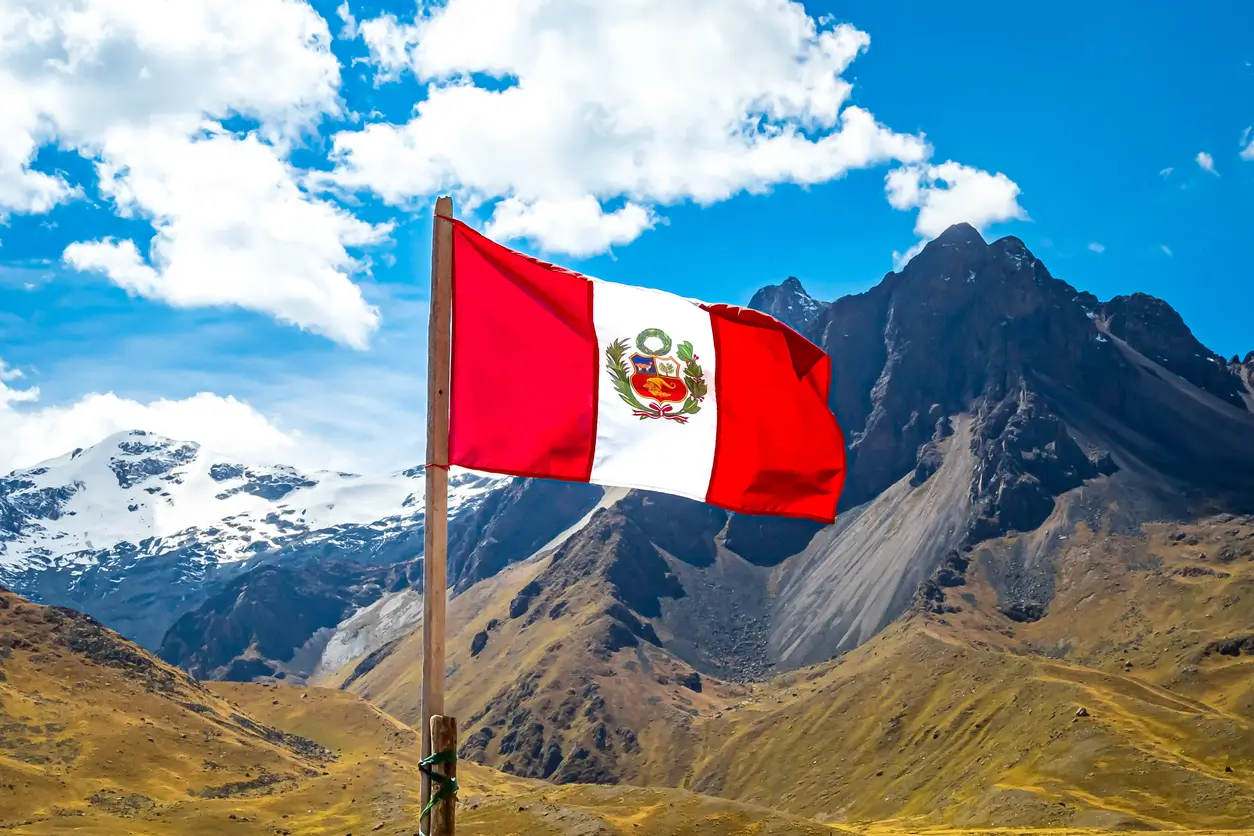
Communities also decorate streets, buildings, and homes with red and white flags—the colors of Peru’s national flag. The festive atmosphere creates a strong sense of unity and pride among citizens.
Traditional Foods During Independence Day
Food plays a major role in Peru Independence Day celebrations. Families gather to share traditional dishes that represent the country’s culinary heritage. Peruvian cuisine is known worldwide for its rich flavors and diverse influences.
Popular dishes during the holiday include ceviche, a seafood dish made with fresh fish marinated in lime juice, as well as anticuchos, grilled skewers of marinated meat. Other traditional foods include lomo saltado, ají de gallina, and tamales.
Desserts and beverages are also part of the celebration. Picarones, a sweet fried dough dessert served with syrup, and chicha morada, a purple corn drink, are often enjoyed during the festivities.
Independence Day in Schools and Education
Educational institutions in Peru play an important role in celebrating Independence Day. Schools often organize special programs where students learn about the history of independence and the heroes who helped achieve it.
Children participate in plays, reenactments, and patriotic presentations that highlight historical events. These activities help young generations understand the significance of independence and develop a sense of national identity.
Teachers also use this opportunity to discuss broader themes such as freedom, democracy, and civic responsibility. By connecting history with modern values, schools help keep the spirit of Independence Day alive.
The Symbolism of the Peruvian Flag
The red and white flag of Peru is a powerful symbol that becomes especially visible during Independence Day celebrations. The colors represent courage, peace, and the sacrifices made during the struggle for independence.
Many homes and businesses display the national flag throughout the month of July. In fact, in Peru it is common for citizens to place the flag outside their homes as a sign of respect and patriotism.
During official ceremonies, the flag is raised in public squares and government buildings while the national anthem is played. These moments serve as emotional reminders of the country’s history and achievements.
Modern Significance of Peru Independence Day
In modern times, Peru Independence Day continues to hold deep meaning for the nation. It is not only a celebration of historical events but also a reflection on the country’s progress and future aspirations.
The holiday encourages citizens to appreciate their cultural heritage while also acknowledging the challenges and opportunities that lie ahead. It provides a moment for national reflection and unity.
For many Peruvians, Independence Day represents pride in their country’s achievements, traditions, and identity. It serves as a reminder that freedom was hard-earned and must be protected for future generations.
Tourism and International Interest
Peru Independence Day also attracts visitors from around the world. Tourists traveling to Peru in late July have the opportunity to experience the vibrant atmosphere of national celebrations.
Cities like Lima, Cusco, and Arequipa host special events, concerts, and cultural festivals during this time. Travelers often enjoy exploring historical landmarks while participating in patriotic celebrations.
The holiday provides a unique opportunity for visitors to learn about Peruvian history and culture firsthand. For many tourists, experiencing Independence Day becomes one of the most memorable parts of their trip.
Conclusion
Peru Independence Day stands as a powerful symbol of the country’s journey toward freedom and self-determination. From the historic declaration in 1821 to the vibrant celebrations seen today, the holiday reflects the resilience and unity of the Peruvian people.
The contributions of leaders such as José de San Martín and Simón Bolívar played a crucial role in shaping Peru’s destiny. Their efforts helped bring an end to centuries of colonial rule and opened the path toward independence.
Today, the celebration of Peru Independence Day continues to inspire pride, patriotism, and cultural appreciation. Through ceremonies, festivals, and traditions, Peruvians honor their history while celebrating the strength and diversity of their nation.
FAQs
When is Peru Independence Day celebrated?
Peru Independence Day is celebrated on July 28 every year.
Who declared Peru’s independence?
José de San Martín declared Peru’s independence in Lima in 1821.
What are Peru’s Independence Day celebrations called?
The celebrations are known as Fiestas Patrias.
What colors represent the Peruvian flag?
The national flag of Peru is red and white.
Why is Peru Independence Day important?
It marks the end of Spanish colonial rule and the birth of an independent nation.