Introduction to La Savate Sport
La Savate sport, often simply called Savate, is one of the most unique and refined combat sports in the world. Originating in France, this striking discipline combines elements of boxing with precise kicking techniques, creating a system that looks almost like a blend of martial arts and dance. Unlike many combat sports that emphasize brute force, Savate focuses heavily on technique, timing, balance, and strategy. The result is a sport that appears graceful on the surface yet remains highly effective and demanding underneath.
At first glance, Savate may resemble kickboxing, but the differences become clear almost immediately once you understand its philosophy and structure. Fighters wear specialized shoes, strikes are delivered with accuracy rather than wild aggression, and scoring prioritizes clean technique. The sport rewards intelligence and control just as much as athletic ability, which is why many practitioners describe it as “physical chess.”
Over the years, La Savate sport has evolved from street self-defense methods into a regulated international competition system practiced across Europe, North America, Asia, and beyond. Today, it attracts athletes who appreciate both its historical roots and its modern sporting framework. Whether someone is drawn to Savate for fitness, competition, or cultural curiosity, they quickly discover that it offers a distinctive experience unlike any other striking art.
The Historical Origins of Savate
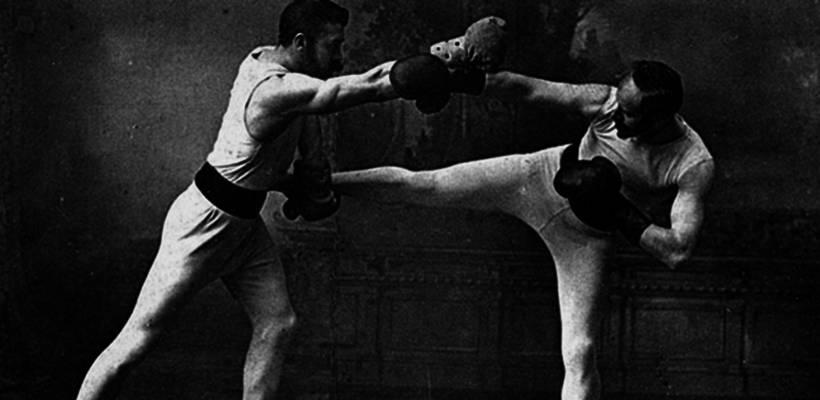
The story of Savate begins in early nineteenth-century France, particularly in port cities such as Marseille and Paris. Sailors and dockworkers developed practical fighting methods that allowed them to defend themselves in crowded environments. Because kicking with heavy boots was common among sailors, early Savate techniques focused heavily on foot strikes rather than punches.
Initially, Savate was considered rough street fighting rather than a formal martial art. Practitioners used open-hand strikes, kicks, and evasive footwork suited to urban settings. Over time, French instructors began refining these techniques, removing dangerous elements and shaping the system into something more structured and teachable. This transformation marked the beginning of Savate’s journey from survival skill to organized sport.
A major turning point occurred when French boxing techniques were integrated into Savate. This fusion introduced disciplined punching mechanics, guard positions, and tactical movement. The combination created a sophisticated striking system that balanced upper- and lower-body attacks. As training academies appeared in Paris, Savate gained popularity among civilians, soldiers, and even aristocrats, elevating its reputation from street brawling to respectable athletic practice.
Evolution Into a Modern Combat Sport
As Savate matured, instructors standardized rules to ensure safety and fairness. The introduction of protective equipment allowed practitioners to train more frequently without serious injury. Structured competitions replaced informal challenges, giving athletes measurable goals and audiences a clear understanding of performance.
During the late nineteenth and early twentieth centuries, Savate experienced both growth and decline. Wars and shifting cultural interests temporarily reduced participation, but dedicated practitioners preserved the art. After World War II, renewed interest in martial arts helped Savate re-emerge as an organized sport with international ambitions.
Modern Savate now operates under official federations that oversee rankings, coaching certifications, and competition standards. Athletes compete in controlled environments where technical execution matters more than raw aggression. This evolution has helped Savate gain recognition as a legitimate combat sport while maintaining its historical identity.
Core Philosophy Behind La Savate Sport
One of the defining features of Savate is its philosophy of elegance combined with effectiveness. Practitioners aim to strike efficiently while maintaining posture and composure. Movements are deliberate rather than chaotic, reflecting the French emphasis on precision and style.
Respect and discipline form central pillars of training culture. Fighters learn to control power, demonstrating technical mastery instead of attempting to overwhelm opponents recklessly. This approach makes Savate accessible to a wide range of participants, including those who might feel intimidated by more aggressive combat sports.
Another philosophical element is adaptability. Savate encourages fighters to think strategically, constantly adjusting distance, angles, and timing. Rather than relying on repetitive combinations alone, practitioners learn to read opponents and respond intelligently. This mental engagement keeps training stimulating and deeply rewarding.
Fundamental Techniques in Savate
Savate techniques revolve around a balanced integration of punches and kicks. Unlike many martial arts, kicks must be delivered with the foot rather than the shin. This requirement demands exceptional control and accuracy, forcing athletes to refine their mechanics carefully.
The jab and cross serve as foundational punches, creating openings for kicks. Fighters often use punches not only to score but also to manipulate distance and disrupt rhythm. Defensive movements such as slips, blocks, and evasive footwork play an equally important role in maintaining control during exchanges.
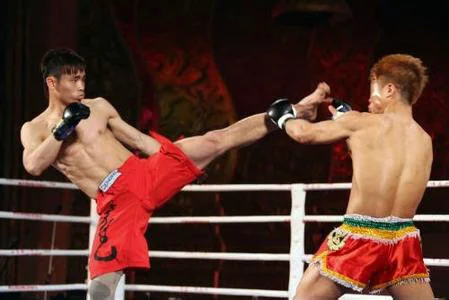
Kicks represent the artistic heart of Savate. Techniques range from low sweeping attacks to high precision strikes aimed at scoring points. Each kick emphasizes clean contact and proper alignment, rewarding technical mastery over brute strength. Over time, practitioners develop fluid combinations that seamlessly connect punches and kicks into continuous motion.
Types of Kicks Used in Savate
Savate includes several signature kicks that distinguish it from other striking sports. The fouetté, a whip-like round kick, is perhaps the most recognizable technique. It relies on speed and flexibility rather than raw power, snapping into the target and retracting quickly.
Another essential kick is the chassé, a thrusting strike delivered with the heel. This kick functions both offensively and defensively, allowing fighters to push opponents away while scoring points. Its linear motion makes it highly effective for controlling distance.
The revers kick adds a spinning element, introducing unpredictability into combinations. Though visually impressive, it requires careful timing and balance. These diverse kicking methods highlight Savate’s technical depth, encouraging practitioners to develop versatility and creativity.
Punching Techniques and Boxing Influence
Savate’s punching system draws heavily from traditional Western boxing. Fighters adopt a guard position similar to boxers, emphasizing hand protection and efficient movement. This influence ensures that Savate practitioners develop strong upper-body striking skills alongside their kicking abilities.
Punch combinations often serve as setups for kicks rather than standalone attacks. A well-timed jab can force an opponent to raise their guard, opening space for a body or head kick. This interplay between punches and kicks creates a dynamic tactical environment.
Defensive boxing skills are equally important. Head movement, parrying, and counterpunching help fighters avoid damage while preparing responses. The boxing foundation adds realism and practicality, ensuring Savate remains effective beyond sport competition.
Equipment and Clothing in Savate
One of the most distinctive aspects of La Savate sport is its attire. Fighters wear specialized shoes designed for striking. These lightweight shoes protect the foot while enabling precise contact, differentiating Savate from barefoot martial arts.
Uniforms typically include fitted pants and gloves similar to boxing gloves. Protective gear such as mouthguards and shin protection may also be used during training. The clothing supports freedom of movement while maintaining safety standards.
This equipment contributes to Savate’s unique aesthetic. Matches often appear elegant and structured, reinforcing the sport’s reputation as a refined form of combat rather than uncontrolled fighting.
Rules and Competition Structure
Savate competitions operate under clearly defined rules designed to prioritize safety and technique. Matches are divided into rounds, and scoring focuses on clean, controlled strikes delivered with proper form. Excessive force without technique rarely earns high marks.
Different competition levels exist, ranging from light-contact technical bouts to full-contact matches. Beginners often start with controlled formats that emphasize learning rather than winning. As fighters progress, they may enter more intense divisions.
Judges evaluate accuracy, balance, defense, and tactical intelligence. This scoring system encourages fighters to remain composed and strategic throughout matches, reinforcing Savate’s emphasis on skillful execution.
Training Methods and Conditioning
Savate training combines technical drills, conditioning exercises, and sparring sessions. Warm-ups typically include flexibility work, footwork drills, and shadowboxing. These activities prepare the body for dynamic kicking movements.
Conditioning focuses on agility, endurance, and coordination rather than sheer muscle mass. Fighters perform exercises that enhance balance and reaction time, reflecting the sport’s technical nature. Core strength plays a crucial role in maintaining stability during kicks.
Sparring allows practitioners to apply techniques in realistic scenarios. Controlled exchanges help develop timing and confidence while minimizing injury risk. Over time, consistent training builds both physical fitness and mental resilience.
Physical Benefits of Practicing Savate
Savate provides a comprehensive full-body workout. Kicking movements strengthen legs and hips, while punching drills engage the upper body. Continuous movement improves cardiovascular endurance, making training sessions highly effective for fitness.
Flexibility naturally improves as practitioners practice high and dynamic kicks. Increased mobility reduces injury risk and enhances overall athletic performance. Many athletes notice improved posture and coordination after regular practice.
Beyond physical improvements, Savate also supports weight management and functional strength development. Because training remains engaging and varied, participants often find it easier to maintain long-term consistency compared to traditional gym routines.
Mental and Psychological Advantages
Savate training develops mental sharpness alongside physical ability. Fighters must constantly analyze distance, timing, and opponent behavior. This cognitive engagement strengthens focus and decision-making skills.
Confidence grows naturally as practitioners learn self-defense techniques and overcome physical challenges. Controlled sparring environments teach individuals how to remain calm under pressure, a skill that transfers into everyday life situations.
Stress relief is another major benefit. The combination of movement, concentration, and controlled intensity provides a healthy outlet for tension. Many practitioners describe training sessions as mentally refreshing despite physical fatigue.
Savate as Self-Defense
Although Savate is practiced primarily as a sport today, its roots in self-defense remain relevant. The emphasis on distance control and precise striking makes techniques practical in real-world situations.
Kicks delivered with shoes can be particularly effective for maintaining space from an aggressor. Footwork training helps practitioners avoid confrontation rather than escalating it, aligning with modern self-defense principles.
Equally important is situational awareness developed through training. Savate encourages calm observation and controlled responses, helping practitioners make safer decisions during potential conflicts.
Differences Between Savate and Kickboxing
While Savate and kickboxing share similarities, several key distinctions separate them. The use of shoes dramatically changes striking mechanics and targeting strategies. Savate kicks rely more on precision than heavy impact.
Scoring criteria also differ. Savate prioritizes elegance and technical correctness, whereas many kickboxing formats emphasize damage and aggression. This difference shapes training styles and competitive behavior.
Footwork represents another major contrast. Savate practitioners move with fencing-like mobility, constantly adjusting angles. This mobility creates a faster, more strategic rhythm compared to the often forward-pressure style of kickboxing.
Global Growth and Popularity
Savate has gradually expanded beyond France, gaining followers across Europe, North America, and parts of Asia. International competitions showcase athletes from diverse backgrounds, demonstrating the sport’s universal appeal.
Martial arts enthusiasts often discover Savate while searching for something technically challenging yet less mainstream. Its unique identity attracts individuals who appreciate innovation within traditional frameworks.
Social media and international seminars have accelerated growth in recent years. Online content allows newcomers to learn about Savate’s history and techniques, inspiring participation worldwide.
Women in Savate Sport
Savate has long been inclusive compared to many combat sports. Women began participating competitively earlier than in several other martial disciplines. The emphasis on technique over brute strength helps create a more balanced competitive environment.
Female athletes have played a significant role in popularizing Savate globally. Their success demonstrates that skill, timing, and strategy can overcome size differences, reinforcing the sport’s technical philosophy.
Training environments often emphasize mutual respect and cooperation, encouraging participation regardless of gender. This inclusive culture continues to attract new practitioners every year.
Youth Training and Development
Savate programs for young practitioners focus on coordination, discipline, and confidence-building rather than competition alone. Coaches introduce techniques gradually, ensuring safety and enjoyment.
Children benefit from improved balance and motor skills through structured drills. Training also teaches respect, patience, and teamwork, qualities that support personal development beyond sport.
Youth competitions emphasize learning experiences rather than intense rivalry. This approach helps maintain long-term interest and encourages healthy athletic growth.
Common Misconceptions About Savate
Many people assume Savate is simply French kickboxing, but this oversimplification ignores its unique philosophy and techniques. The sport’s emphasis on precision and footwear creates a distinct identity.
Another misconception is that Savate lacks effectiveness due to its elegance. In reality, technical efficiency can produce powerful results when applied correctly. Precision often proves more reliable than uncontrolled force.
Some also believe Savate is rare or inaccessible. While less widespread than other martial arts, growing international communities make training increasingly available to newcomers.
How to Start Learning Savate
Beginners interested in Savate should look for certified instructors or affiliated clubs. Structured coaching ensures proper technique development and reduces injury risk during early training stages.
New practitioners typically begin with basic footwork and simple strikes before progressing to combinations. Patience is essential, as mastering precision requires time and repetition.
Consistency matters more than natural talent. Regular attendance and openness to feedback allow beginners to improve steadily while enjoying the learning process.
The Future of La Savate Sport
Savate’s future appears promising as interest in diverse martial arts continues to grow. Its combination of tradition and innovation appeals to modern athletes seeking both physical challenge and cultural depth.
Technological advancements such as online coaching and digital competitions may further expand participation. Increased visibility through media coverage could introduce Savate to entirely new audiences.
As global martial arts communities evolve, Savate’s emphasis on intelligence, elegance, and technical mastery positions it uniquely among combat sports. Its ability to balance athletic competition with artistic expression ensures lasting relevance.
Conclusion
La Savate sport stands as a remarkable example of how combat systems can evolve into refined athletic disciplines without losing their practical roots. From its beginnings in French streets and ports to its modern international competitions, Savate has maintained a distinctive identity built on precision, respect, and strategy.
Practitioners gain far more than fighting skills. They develop physical fitness, mental resilience, and cultural appreciation through training. The sport’s inclusive philosophy allows individuals of all backgrounds to participate and grow at their own pace.
Whether viewed as a martial art, competitive sport, or fitness practice, Savate offers a unique journey that blends elegance with effectiveness. For anyone seeking a combat discipline that challenges both body and mind, La Savate sport remains an exceptional choice.
FAQs
What is La Savate sport?
La Savate is a French combat sport combining boxing punches with precise kicking techniques performed while wearing shoes.
Is Savate suitable for beginners?
Yes, Savate training starts with basic techniques and controlled practice suitable for all fitness levels.
How is Savate different from kickboxing?
Savate emphasizes precision, footwear strikes, and technical scoring rather than pure power.
Do Savate fighters wear shoes?
Yes, specialized shoes are required and are central to the sport’s techniques.
Can Savate be used for self-defense?
Yes, its distance control, footwork, and precise strikes make it practical for self-defense situations.
Is Savate safe to practice?
With proper supervision and protective equipment, Savate is considered a safe combat sport.
Where did Savate originate?
Savate originated in France during the nineteenth century among sailors and urban fighters.
Are there competitions in Savate?
Yes, Savate features structured national and international competitions with regulated rules.
Can women practice Savate?
Absolutely, Savate is inclusive and has strong female participation worldwide.
What fitness benefits does Savate provide?
Savate improves cardiovascular endurance, flexibility, coordination, and full-body strength.
Also read:5 Ways AI is Changing Everyday Life