
Introduction to Port Salut Cheese
Port Salut cheese is one of those rare foods that feels both sophisticated and comforting at the same time. Known for its smooth texture, mild aroma, and signature orange rind, this French cheese has earned a loyal following across the world. Whether served on a cheese board, melted into recipes, or enjoyed simply with bread, Port Salut offers an approachable gateway into the world of European cheeses. Unlike stronger varieties that overwhelm beginners, it provides balance, making it ideal for both newcomers and seasoned cheese enthusiasts.
The story of Port Salut cheese begins in rural France, where monks developed a method of crafting a cheese that was consistent, nourishing, and easy to preserve. Over time, its popularity expanded beyond monastery walls, eventually becoming a globally recognized product. Today, it represents a blend of tradition and modern cheesemaking techniques, maintaining its heritage while adapting to contemporary tastes.
What truly sets Port Salut apart is its versatility. It sits comfortably between mild and flavorful, creamy yet firm, simple yet refined. This balance is precisely why it remains a staple in supermarkets, specialty shops, and restaurant kitchens worldwide. Understanding Port Salut means exploring not just a cheese, but a culinary tradition shaped by history, craftsmanship, and evolving food culture.
The Historical Origins of Port Salut Cheese
The origins of Port Salut cheese trace back to the 19th century, specifically to Trappist monks living in the Loire Valley of France. These monks sought sustainable ways to support their monastery while maintaining self-sufficiency. Cheesemaking became both a practical necessity and a spiritual discipline, combining patience, precision, and care. Their cheese quickly gained a reputation for reliability and quality.
During political unrest in France, many religious communities faced displacement. Some monks traveled abroad and learned new agricultural techniques before returning home with improved cheesemaking knowledge. This exchange of ideas influenced the development of Port Salut, giving it characteristics distinct from earlier monastic cheeses. The result was a washed-rind cheese that remained mild rather than pungent.
By the late 1800s, the cheese had become commercially popular. Demand grew beyond the monastery’s production capacity, prompting partnerships with dairy producers. Eventually, industrial production expanded distribution worldwide. Despite commercialization, the cheese retained its association with monastic tradition, symbolizing craftsmanship rooted in patience and humility.
How Port Salut Cheese Is Made
The production of Port Salut cheese begins with high-quality cow’s milk, typically pasteurized for consistency in modern manufacturing. Milk is gently heated before cultures and rennet are added, initiating coagulation. This step transforms liquid milk into curds and whey, forming the foundation of the cheese’s structure.
Once curds form, they are cut and pressed into molds that give Port Salut its characteristic round shape. The cheese is then salted, either through brining or dry salting, which enhances flavor while controlling moisture levels. Salt also contributes to the development of the rind, an essential feature of this cheese.
The defining stage comes during aging. Port Salut undergoes a washed-rind process, where the surface is regularly cleaned with a brine solution. This encourages beneficial bacteria that create the cheese’s orange hue and subtle aroma. Unlike stronger washed-rind cheeses, aging remains relatively short, typically four to eight weeks, resulting in a mild yet creamy final product.
Texture, Flavor, and Aroma Profile
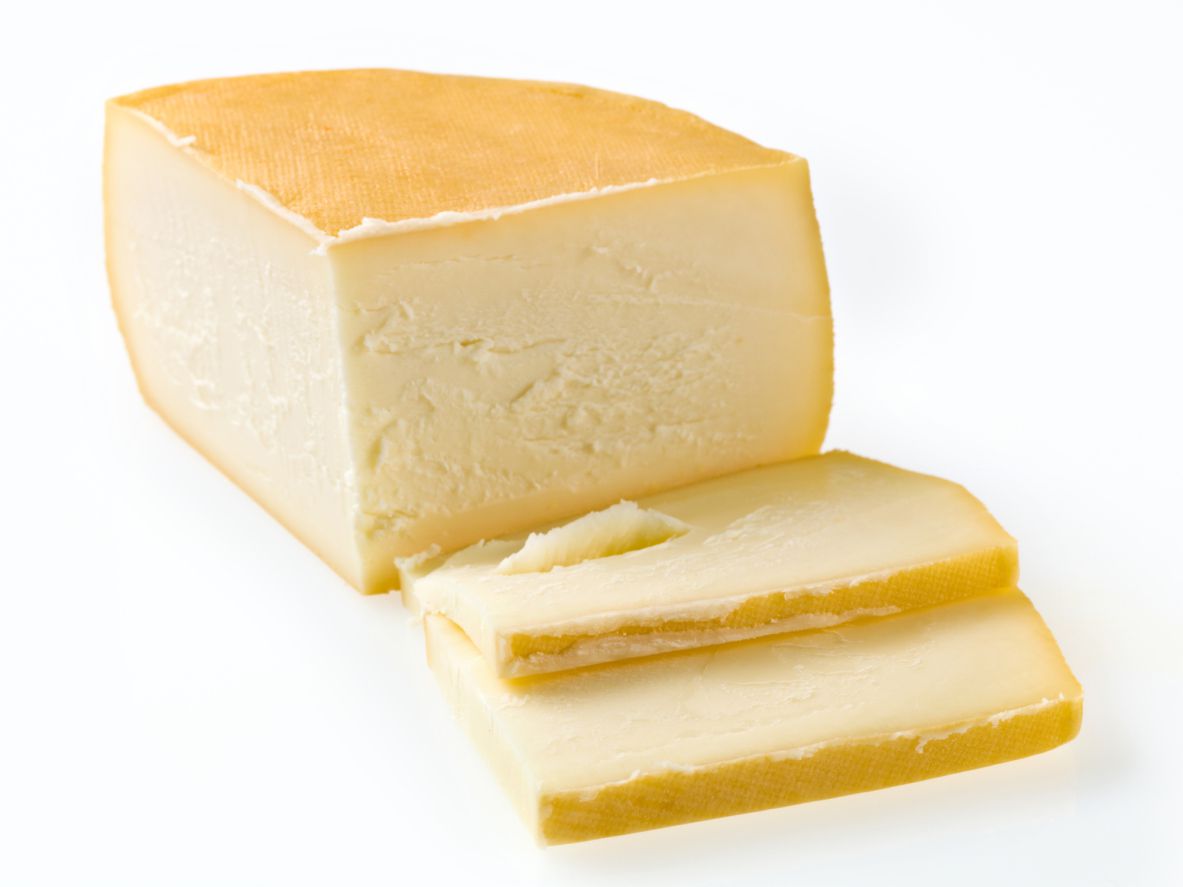
Port Salut cheese is widely appreciated for its approachable sensory profile. The texture is semi-soft and elastic, allowing clean slices without crumbling. When fresh, it feels smooth and slightly springy, becoming creamier as it matures. This consistency makes it suitable for both cold servings and cooking applications.
Flavor-wise, Port Salut leans toward mild buttery notes with hints of tanginess. It lacks the sharpness found in aged cheeses like cheddar and avoids the intense funkiness of stronger washed-rind varieties. Subtle nutty undertones develop during maturation, adding depth without overpowering the palate.
The aroma is gentle compared to many European cheeses. While the rind carries a faint earthy scent, the interior remains clean and milky. This restrained aroma contributes significantly to its global popularity, as many consumers prefer cheeses that deliver flavor without strong smells.
The Signature Orange Rind Explained
One of the most recognizable features of Port Salut cheese is its orange rind. This distinctive color is not artificial decoration but a natural result of the washing process during aging. Brine washing encourages the growth of surface bacteria that create both color and flavor complexity.
The rind is technically edible, though opinions differ on whether it should be eaten. Some enjoy the slightly stronger taste it adds, while others prefer removing it for a milder experience. Either choice is acceptable and largely depends on personal preference.
Beyond aesthetics, the rind plays an important role in moisture regulation. It protects the cheese’s interior while allowing gradual flavor development. Without this protective layer, Port Salut would lose its characteristic balance between creaminess and firmness.
Nutritional Value and Health Considerations
Port Salut cheese offers a range of nutritional benefits typical of dairy products. It provides high-quality protein, essential for muscle maintenance and overall body function. A standard serving also supplies calcium, supporting bone health and dental strength.
The cheese contains beneficial fats that contribute to satiety and flavor. While moderation is important due to calorie density, these fats help deliver fat-soluble vitamins such as A and D. For individuals following balanced diets, Port Salut can fit comfortably into meal planning.
Sodium content should be considered, particularly for those monitoring salt intake. Like many cheeses, Port Salut uses salt during production and aging. However, compared to heavily aged varieties, its sodium levels remain moderate, making it a reasonable option when consumed responsibly.
Port Salut Cheese vs Other Similar Cheeses
Port Salut is often compared to cheeses like Havarti, Gouda, and Saint-Paulin due to similarities in texture and mild flavor. However, subtle differences distinguish each variety. Havarti tends to be creamier and slightly sweeter, while Gouda develops caramel notes with aging.
Saint-Paulin, another French cheese, is perhaps the closest relative. Both share monastic origins and washed-rind techniques, yet Port Salut typically has a smoother texture and milder aroma. These nuances matter to cheese enthusiasts seeking specific flavor experiences.
Compared to stronger washed-rind cheeses such as Munster, Port Salut remains far gentler. This makes it an excellent introduction for those curious about washed-rind styles without committing to intense flavors.
Culinary Uses and Cooking Applications
Port Salut cheese performs exceptionally well in the kitchen due to its melting qualities. It softens evenly without separating, making it ideal for sandwiches, gratins, and sauces. Its mild flavor complements ingredients rather than dominating them.
In hot dishes, Port Salut adds creaminess to pasta, baked vegetables, and casseroles. Chefs often use it as a substitute for mozzarella or mild Swiss cheese when a richer texture is desired. Because it melts smoothly, it also works beautifully in grilled cheese sandwiches.
Cold applications are equally popular. Thin slices pair well with crusty bread, fresh fruit, or cured meats. Its balanced flavor allows it to blend seamlessly into salads or cheese platters designed for varied tastes.
Pairing Port Salut Cheese with Food and Drinks
Pairing Port Salut cheese is surprisingly easy due to its balanced flavor profile. Fruits such as apples, pears, and grapes highlight its creamy sweetness, while nuts add contrasting texture. Light crackers or rustic bread provide neutral bases that allow the cheese to shine.
Wine pairings typically favor white wines like Chardonnay or Sauvignon Blanc. These wines complement the cheese’s buttery character without overwhelming it. Light red wines also work, particularly those with low tannins.
Beer lovers can enjoy Port Salut with lagers or wheat beers. The carbonation cuts through richness, creating a refreshing combination. Even non-alcoholic pairings such as sparkling water or apple juice can enhance the tasting experience.
Storage and Shelf Life Tips
Proper storage significantly affects the quality of Port Salut cheese. Ideally, it should be wrapped in wax paper or cheese paper rather than plastic, allowing the cheese to breathe while retaining moisture. Airtight sealing can cause unwanted condensation and texture changes.
Refrigeration is essential, with optimal temperatures between 4°C and 8°C. Before serving, letting the cheese sit at room temperature for about 20 minutes enhances flavor and texture. Cold cheese often tastes muted compared to properly tempered portions.
Shelf life depends on freshness at purchase. Once opened, Port Salut typically remains enjoyable for one to two weeks when stored correctly. Signs of spoilage include excessive ammonia smell or unusual discoloration beyond the natural rind.
Global Popularity and Modern Production
Today, Port Salut cheese is produced far beyond its original monastery setting. Industrial dairies across Europe and other regions manufacture versions inspired by the traditional recipe. Advances in food technology ensure consistency while preserving essential characteristics.
Global distribution has introduced Port Salut to diverse culinary cultures. From European cafés to Asian fusion kitchens, chefs incorporate it into innovative dishes. Its adaptability helps it remain relevant in modern gastronomy.
Despite commercialization, many producers still honor traditional methods, emphasizing quality milk and controlled aging processes. This balance between heritage and innovation keeps Port Salut firmly established among beloved international cheeses.
Buying Guide: How to Choose Quality Port Salut Cheese
Selecting good Port Salut cheese involves observing several visual and sensory cues. The rind should appear evenly colored without excessive dryness or cracking. A gentle aroma indicates freshness, while strong ammonia smells suggest over-aging.
The interior should look pale yellow and uniform. When pressed lightly, it should feel supple rather than hard or overly soft. Packaging dates and storage conditions at the store also play important roles in maintaining quality.
Purchasing from reputable cheese counters often yields better results than pre-sliced supermarket packages. Knowledgeable sellers can provide tasting notes and freshness information, enhancing the buying experience.
Cultural Significance of Port Salut Cheese
Beyond its culinary role, Port Salut cheese carries cultural meaning tied to French monastic traditions. It represents self-reliance, craftsmanship, and the blending of spirituality with daily labor. Food historians often cite it as an example of how religious communities influenced European gastronomy.
Its accessibility has also contributed to democratizing cheese appreciation. Unlike rare artisanal varieties reserved for specialists, Port Salut bridges the gap between everyday consumption and gourmet enjoyment. This inclusive appeal helped expand global interest in French cheese culture.
In modern times, Port Salut symbolizes comfort food with heritage roots. It appears in casual meals and refined dining alike, reflecting how traditional foods adapt to changing lifestyles while maintaining identity.
Future Trends and Innovations
The future of Port Salut cheese looks promising as consumer interest in artisanal and heritage foods continues to grow. Producers are experimenting with organic milk sources, sustainable farming practices, and reduced environmental impact during production.
Flavor variations and regional adaptations may also emerge, offering subtle differences while preserving the classic profile. As global palates diversify, mild cheeses like Port Salut remain appealing because they integrate easily into multiple cuisines.
Technological improvements in packaging and distribution ensure longer freshness without sacrificing quality. These innovations allow more people worldwide to experience a cheese once limited to a small French monastery.
Conclusion: Why Port Salut Cheese Remains Timeless
Port Salut cheese stands as a testament to the enduring power of tradition combined with adaptability. From humble monastic beginnings to worldwide recognition, it has maintained its identity while evolving alongside modern food culture. Its mild flavor, creamy texture, and approachable character make it universally appealing.
What makes Port Salut truly special is its balance. It offers sophistication without intimidation and quality without exclusivity. Whether enjoyed alone, paired with wine, or melted into comforting dishes, it delivers consistent satisfaction.
In a world filled with rapidly changing food trends, Port Salut remains reliable and timeless. Its story reminds us that great food often begins with simple ingredients, careful craftsmanship, and a commitment to excellence that transcends generations.
FAQs
What type of cheese is Port Salut?
Port Salut is a semi-soft French washed-rind cheese made from cow’s milk.
Is the rind of Port Salut cheese edible?
Yes, the rind is edible, though some people prefer removing it for a milder taste.
Does Port Salut cheese melt well?
Yes, it melts smoothly and works perfectly in sandwiches and baked dishes.
How long does Port Salut cheese last after opening?
It usually stays fresh for one to two weeks when properly refrigerated.
What does Port Salut cheese taste like?
It has a mild, buttery flavor with slight tangy and nutty notes.
Is Port Salut cheese strong-smelling?
No, it has a gentle aroma compared to many washed-rind cheeses.
Can Port Salut be eaten cold?
Yes, but letting it reach room temperature improves flavor and texture.
What wine pairs best with Port Salut cheese?
Light white wines like Chardonnay pair especially well with it.
Is Port Salut suitable for beginners?
Yes, its mild flavor makes it ideal for people new to cheese tasting.
Where does Port Salut cheese come from?
It originated in France, created by Trappist monks in the Loire Valley.
Also read :La Savate Sport: The Complete Expert Guide to France’s Elegant Fighting Art