
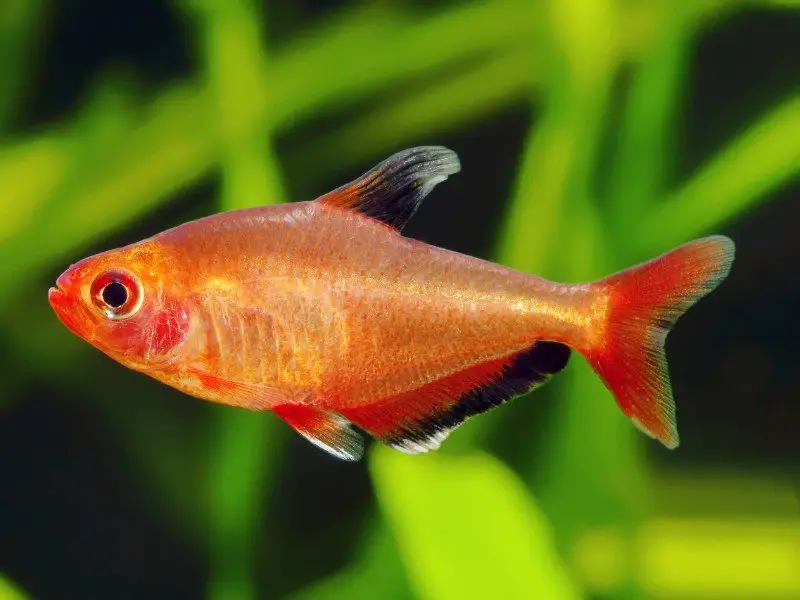
Introduction to Red Phantom Tetra
The red phantom tetra is one of those fish that instantly catches your eye the moment you see it swimming in an aquarium. With its soft red hues, subtle elegance, and calm schooling behavior, it brings both beauty and balance to freshwater tanks. Unlike overly flashy species, the red phantom tetra has a refined charm that grows on you over time, making it a favorite among both beginners and experienced aquarists.
This species originates from South America, particularly from slow-moving rivers and tributaries where the water is soft, slightly acidic, and filled with natural plant cover. These natural conditions play a huge role in shaping their behavior, appearance, and care needs in captivity. If you understand where they come from, it becomes much easier to replicate an environment where they can truly thrive.
What makes the red phantom tetra stand out is not just its color but also its personality. These fish are peaceful, social, and highly active in groups. Watching a school of them glide together in harmony can be incredibly relaxing, and it adds a dynamic element to any aquarium setup. They are not aggressive, they don’t demand extreme care, and they blend well with many other fish species, making them a practical yet beautiful choice.
Another important reason behind their popularity is their adaptability. While they do prefer certain water conditions, they are not as sensitive as some other tetra species. This means that even hobbyists who are still learning the basics of aquarium keeping can successfully care for them with a little effort and consistency.
In this guide, you will learn everything you need to know about the red phantom tetra—from its natural habitat and physical features to tank setup, feeding habits, breeding, and common health issues. By the end, you will have a clear understanding of how to keep these fish healthy, happy, and vibrant in your aquarium.
Natural Habitat and Origin
The red phantom tetra comes from the river systems of South America, mainly in regions like the Amazon basin. These waters are typically slow-moving or even stagnant in some areas, surrounded by dense vegetation and fallen leaves. The environment is rich in organic matter, which gives the water a slightly dark tint often referred to as “blackwater.”
This natural habitat plays a key role in the fish’s behavior and health. In the wild, red phantom tetras live in large groups for protection against predators. The dense plant life and shaded waters help them feel secure, which is why they often prefer aquariums that replicate similar conditions. When you try to mimic their natural environment, you’ll notice a significant improvement in their activity level and coloration.
Water chemistry in their native habitat is usually soft and slightly acidic. The pH level tends to be lower, and the water is not heavily mineralized. This means that when keeping them in captivity, it is beneficial to avoid extremely hard water conditions. While they can adapt to a range of parameters, keeping them close to their natural conditions will ensure better long-term health.
The lighting in their natural environment is also quite dim due to overhanging plants and tree cover. Bright, direct light is not something they are used to, which is why subdued lighting in aquariums often makes them feel more comfortable. When the lighting is too strong, they may become shy and hide more often.
Understanding their origin helps you create an environment that feels familiar to them. When fish feel at home, they behave more naturally, show brighter colors, and are less prone to stress-related diseases. This is especially important for schooling fish like the red phantom tetra, as their comfort depends not only on water conditions but also on their surroundings.
Physical Appearance and Unique Features
The red phantom tetra is known for its delicate beauty rather than bold or flashy patterns. Its body is slightly elongated and laterally compressed, which is typical of many tetra species. The most noticeable feature is its soft red coloration that ranges from pale pink to a deeper reddish hue depending on the fish’s health, mood, and environment.
One of the defining features of this fish is the dark spot located just behind its gills. This spot gives the fish a “phantom-like” appearance, which is where it gets its name. The spot can vary in intensity but is usually clearly visible, adding contrast to the overall body color.
The fins of the red phantom tetra are another attractive aspect. Males typically have more elongated dorsal and anal fins compared to females, and these fins often have a slightly darker or more pronounced coloration. Females, on the other hand, tend to have a rounder body shape, especially when they are carrying eggs.
Color intensity can vary based on several factors, including diet, water quality, and stress levels. In optimal conditions, the red tones become richer and more vibrant. However, if the fish is stressed or living in poor conditions, the color may appear faded or dull. This makes their appearance a good indicator of their overall health.
Another interesting feature is their subtle transparency. In certain lighting, parts of their body may appear slightly translucent, adding to their delicate and graceful look. This characteristic, combined with their smooth swimming patterns, makes them a calming presence in any aquarium.
Behavior and Temperament
Red phantom tetras are known for their peaceful and social nature. They are schooling fish, which means they prefer to live in groups rather than alone. Keeping them in groups of at least six is highly recommended, although larger groups of ten or more are even better for their well-being.
When kept in proper groups, these fish display natural schooling behavior, moving together in synchronized patterns. This not only looks beautiful but also helps reduce stress among the fish. A single or small group may become shy, hide frequently, or even show signs of anxiety.
Their temperament makes them ideal for community aquariums. They do not show aggression towards other fish and are generally non-confrontational. This means they can coexist peacefully with many other species, provided those species are also non-aggressive.
One interesting aspect of their behavior is the occasional display of mild dominance among males. This is usually harmless and involves small displays rather than actual fighting. It is a natural part of their social structure and does not cause injury when the group size is adequate.
They are also moderately active swimmers. While they do explore the tank, they are not overly energetic or chaotic. Their movement is smooth and graceful, which contributes to a relaxing aquarium environment. Watching them interact with each other can be both calming and fascinating.
Ideal Tank Setup
Creating the right tank setup for red phantom tetras is essential for their health and happiness. Since they come from heavily planted environments, a well-decorated tank with live plants is highly recommended. Plants not only provide hiding spots but also help maintain water quality.
A tank size of at least 15 to 20 gallons is suitable for a small group. However, if you plan to keep a larger school or add other fish, a bigger tank is always better. More space allows for natural swimming behavior and reduces stress.
Substrate choice can also make a difference. Dark-colored substrates often enhance the red coloration of the fish, making them appear more vibrant. It also mimics their natural environment, which can help them feel more secure.
Driftwood and leaf litter can be added to recreate their natural habitat. These elements release tannins into the water, which slightly lower the pH and create a more natural look. While not mandatory, they can greatly improve the overall environment.
Lighting should be moderate to low. Bright lighting can make them uncomfortable, so using floating plants or adjustable lighting can help create shaded areas. This allows the fish to choose where they feel most comfortable within the tank.
Water Parameters and Maintenance
Maintaining stable water parameters is crucial for the well-being of red phantom tetras. They prefer soft to moderately hard water with a slightly acidic to neutral pH range, ideally between 6.0 and 7.5.
Temperature should be kept between 22°C and 28°C. Consistency is key, as sudden temperature changes can cause stress and weaken their immune system. Using a reliable heater and thermometer helps maintain stability.
Regular water changes are essential. Changing about 20 to 30 percent of the water weekly helps remove waste and maintain good water quality. Clean water not only keeps the fish healthy but also enhances their coloration.
Filtration should be gentle but effective. Strong currents are not ideal for these fish, as they are used to slow-moving waters. A filter that provides adequate cleaning without creating excessive flow is the best choice.
Monitoring water parameters regularly using test kits ensures that any issues are detected early. Keeping ammonia and nitrite levels at zero and nitrate levels low is important for long-term health.
Feeding and Diet
Red phantom tetras are omnivores, which means they eat both plant-based and protein-based foods. In the wild, they feed on small insects, larvae, and plant matter. Replicating a varied diet in captivity is key to their health.
High-quality flake or pellet food can serve as their staple diet. However, it should be supplemented with live or frozen foods such as brine shrimp, daphnia, or bloodworms. These foods provide essential nutrients and help enhance their color.
Feeding should be done in small portions once or twice a day. Overfeeding can lead to water quality issues and health problems, so it is important to give only what they can consume within a few minutes.
Including some plant-based options, such as spirulina flakes, can also be beneficial. A balanced diet ensures that they receive all the necessary nutrients for growth and vitality.
Variety is the key to keeping them healthy and active. Fish that are fed a diverse diet tend to show better coloration and stronger immunity compared to those on a monotonous diet.
Tank Mates Compatibility
Choosing the right tank mates for red phantom tetras is relatively easy due to their peaceful nature. They do well with other small, non-aggressive fish that share similar water requirements.
Good companions include other tetra species, rasboras, small gouramis, and peaceful bottom dwellers like corydoras catfish. These fish create a harmonious community without causing stress.
Avoid keeping them with aggressive or much larger fish. Species that are known to nip fins or display territorial behavior can cause stress and even injury. This includes certain cichlids and larger barbs.
It is also important to consider the number of fish in the tank. Overcrowding can lead to competition for food and space, which may result in stress. Proper planning ensures a balanced and peaceful aquarium.
When compatible tank mates are chosen, the aquarium becomes more lively and dynamic. Each species adds its own behavior and movement, creating a balanced ecosystem.
Breeding Red Phantom Tetra
Breeding red phantom tetras can be a rewarding experience, although it requires some preparation. They are egg scatterers, meaning they lay eggs among plants or substrate rather than caring for them.
To encourage breeding, a separate breeding tank is recommended. This tank should have soft, slightly acidic water and plenty of fine-leaved plants or spawning mops where the eggs can be deposited.
Conditioning the fish with a high-quality diet, including live foods, increases the chances of successful breeding. Males will often display more vibrant colors during this period to attract females.
Once spawning occurs, the adults should be removed to prevent them from eating the eggs. The eggs typically hatch within a few days, and the fry can be fed with infusoria or specially prepared fry food.
Raising the fry requires patience and careful attention to water quality. As they grow, they can gradually be introduced to larger food items and eventually moved to the main tank.
Common Health Issues and Prevention
Like all aquarium fish, red phantom tetras can be prone to certain health issues if not properly cared for. Common problems include ich, fin rot, and bacterial infections.
Most health issues are caused by poor water quality, stress, or an unbalanced diet. Maintaining clean water and providing a proper environment significantly reduces the risk of disease.
Quarantining new fish before adding them to the main tank is a good practice. This helps prevent the introduction of diseases that could affect the entire aquarium.
Observing your fish regularly is important. Changes in behavior, color, or appetite can indicate health problems. Early detection allows for timely treatment and better outcomes.
Prevention is always better than cure. By maintaining stable conditions and providing proper care, you can ensure that your red phantom tetras live long and healthy lives.
Conclusion
The red phantom tetra is a perfect combination of beauty, simplicity, and peaceful behavior. It is a fish that does not demand extreme care yet rewards its owner with graceful movement and subtle elegance. Whether you are new to aquarium keeping or an experienced hobbyist, this species can be a valuable addition to your tank.
By understanding their natural habitat, providing the right tank setup, maintaining proper water conditions, and offering a balanced diet, you can ensure that these fish thrive. Their social nature and compatibility with other species make them an excellent choice for community aquariums.
In the end, keeping red phantom tetras is not just about maintaining a fish tank; it is about creating a small ecosystem where life can flourish. With the right care and attention, these fish will not only survive but truly shine, bringing life and color to your aquarium.
FAQs
What size tank is best for red phantom tetra? A minimum of 15–20 gallons is ideal for a small group.
How many red phantom tetras should be kept together? At least 6 should be kept, but 10 or more is better.
Are red phantom tetras aggressive? No, they are peaceful and suitable for community tanks.
What do red phantom tetras eat? They eat flakes, pellets, and live or frozen foods like brine shrimp.
Can red phantom tetras live with guppies? Yes, they are compatible if water conditions match.
How long do red phantom tetras live? They typically live around 3 to 5 years with proper care.
Do red phantom tetras need plants in the tank? Yes, plants help them feel safe and mimic their natural habitat.
What temperature is ideal for red phantom tetra? Between 22°C and 28°C is best.
Can beginners keep red phantom tetras? Yes, they are beginner-friendly with basic care knowledge.
Do red phantom tetras breed easily? They can breed in captivity with the right conditions.
Also read:San Shou: The Complete Expert Guide to China’s Dynamic Combat Sport