
What is the Meaning of Cosmetology?
The meaning of cosmetology goes far beyond simple beauty treatments. At its core, cosmetology is the art and science of enhancing a person’s appearance through various beauty techniques. It includes hair styling, skincare, makeup, nail care, and even specialized treatments designed to improve overall personal grooming. While many people think of cosmetology as just makeup or hairstyling, it is actually a wide field that combines creativity with technical knowledge.
Cosmetology is rooted in both tradition and modern science. Historically, humans have always cared about their appearance, using natural ingredients like herbs, oils, and minerals to beautify themselves. Today, cosmetology has evolved into a professional industry that uses advanced tools, chemical formulations, and scientific techniques to achieve better and safer results. This makes it a unique blend of art and science, where professionals must understand both aesthetics and technical processes.
Another important aspect of cosmetology is personal expression. Through hairstyles, makeup, and skincare, individuals can express their identity, culture, and personality. Cosmetologists play a key role in helping clients achieve their desired look while also boosting their confidence. This emotional impact is what makes cosmetology more meaningful than just a service—it becomes a form of self-care and empowerment.
The Origin and History of Cosmetology
Understanding the meaning of cosmetology becomes clearer when we explore its history. The concept of beauty treatments dates back thousands of years. Ancient civilizations such as Egypt, Greece, and Rome were deeply involved in beauty practices. Egyptians, for example, used kohl for eye makeup and oils for skincare, while Greeks focused on natural beauty and grooming techniques.
During the Middle Ages, beauty practices were influenced by cultural and religious beliefs. Although some beauty practices declined during this time, they never completely disappeared. In fact, many herbal and natural treatments used today have roots in this era. As societies evolved, beauty standards changed, and cosmetology adapted to meet those new expectations.
The modern cosmetology industry began to take shape in the 19th and 20th centuries. With the invention of new tools and products, such as hair dryers, chemical dyes, and skincare formulations, cosmetology became more advanced and professional. Beauty schools and certifications were introduced, turning cosmetology into a recognized career path. Today, it continues to grow with innovations like laser treatments, organic products, and digital beauty tools.
Key Areas Covered in Cosmetology
Cosmetology is a broad field that includes several specialized areas. Each area focuses on a different aspect of beauty and personal care. Understanding these areas helps clarify the full meaning of cosmetology and its scope.
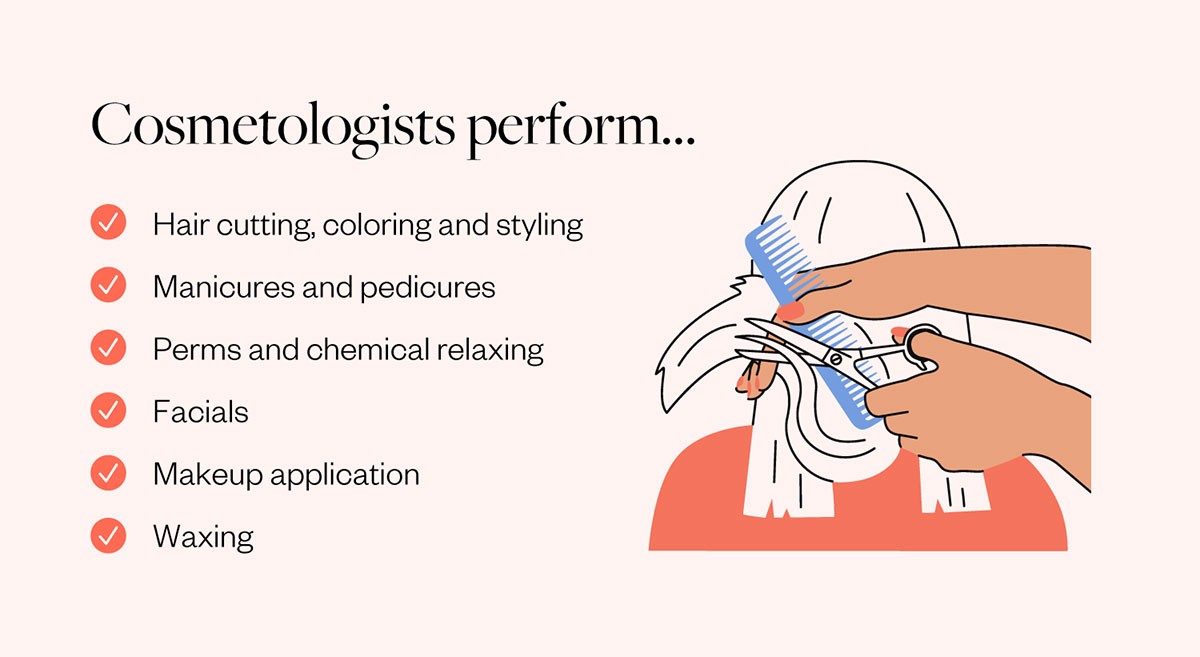
One major area is hair care, which includes cutting, coloring, styling, and treatments. Hair professionals must understand different hair types, textures, and chemical processes to provide the best results. Another important area is skincare, where experts focus on improving skin health through facials, treatments, and product recommendations.
Nail care is also a significant part of cosmetology. This includes manicures, pedicures, nail art, and treatments for nail health. Makeup artistry is another popular area, involving techniques for enhancing facial features for everyday wear or special occasions. Additionally, some cosmetologists specialize in advanced treatments such as laser therapy, hair removal, and anti-aging procedures.
The Science Behind Cosmetology
While cosmetology is often seen as an art, it is deeply connected to science. Professionals must understand the chemistry of products, the biology of skin and hair, and the physics of tools they use. This scientific knowledge ensures that treatments are safe and effective.
For example, hair coloring involves chemical reactions that change the hair’s natural pigment. Without proper knowledge, this process can damage the hair. Similarly, skincare treatments require an understanding of skin types and conditions to avoid irritation or harm. This scientific foundation is what separates trained cosmetologists from amateurs.
Another scientific aspect of cosmetology is hygiene and safety. Professionals must follow strict sanitation practices to prevent infections and maintain a clean environment. This includes sterilizing tools, using clean products, and following health guidelines. These practices are essential for building trust with clients and ensuring their well-being.
Importance of Cosmetology in Modern Life
Cosmetology plays a significant role in today’s world. It is not just about looking good but also about feeling confident and comfortable in one’s own skin. People from all walks of life use cosmetology services to improve their appearance and boost their self-esteem.
In professional settings, personal grooming can impact how individuals are perceived. A well-groomed appearance often creates a positive impression and can even influence career opportunities. This makes cosmetology an important part of personal and professional success.
Moreover, cosmetology contributes to mental well-being. Self-care activities such as getting a haircut, facial, or manicure can reduce stress and improve mood. These small acts of care can have a big impact on overall happiness and confidence.
Skills Required to Become a Cosmetologist
To fully understand the meaning of cosmetology, it is important to know the skills required in this field. Cosmetologists need a combination of technical, creative, and interpersonal skills. These skills help them provide high-quality services and build strong relationships with clients.
Technical skills include knowledge of tools, products, and techniques. For example, a hairstylist must know how to use scissors, dryers, and styling tools effectively. Creativity is also essential, as cosmetologists often design unique looks based on client preferences and current trends.
Communication skills are equally important. Cosmetologists must listen to their clients, understand their needs, and provide suitable recommendations. Good customer service helps build trust and encourages repeat business. Additionally, time management and attention to detail are crucial for delivering consistent and professional results.
Education and Training in Cosmetology
Cosmetology is a professional field that requires proper education and training. Most aspiring cosmetologists attend beauty schools or training institutes where they learn the basics of hair, skin, and nail care. These programs provide both theoretical knowledge and practical experience.
Training programs usually cover topics such as anatomy, chemistry, hygiene, and advanced techniques. Students also get hands-on practice by working on real clients under supervision. This practical experience is essential for building confidence and improving skills.
After completing their training, many cosmetologists obtain certifications or licenses, depending on their country or region. These certifications ensure that they meet industry standards and are qualified to provide professional services. Continuous learning is also important, as new trends and technologies are constantly emerging in the field.
Career Opportunities in Cosmetology
One of the most exciting aspects of cosmetology is the wide range of career opportunities it offers. From working in salons to starting your own business, the possibilities are endless. This flexibility makes cosmetology an attractive career choice for many people.
Some common career paths include hairstylist, makeup artist, skincare specialist, and nail technician. Others may choose to specialize in areas such as bridal makeup, fashion styling, or medical aesthetics. There are also opportunities in teaching, product development, and beauty consulting.
Entrepreneurship is another popular option. Many cosmetologists open their own salons or beauty studios, allowing them to be their own boss. With the rise of social media, beauty professionals can also build personal brands and reach a global audience.
Challenges in the Cosmetology Industry
Despite its many benefits, cosmetology also comes with challenges. One of the main challenges is staying updated with trends and technologies. The beauty industry is constantly evolving, and professionals must keep learning to remain competitive.
Another challenge is physical demand. Cosmetologists often work long hours, standing for extended periods and performing repetitive tasks. This can lead to fatigue and requires proper self-care and time management.
Client expectations can also be challenging. Each client has unique preferences, and meeting those expectations requires skill, patience, and communication. Handling difficult situations professionally is an important part of the job.
Future of Cosmetology
The future of cosmetology looks bright and promising. With advancements in technology and increasing awareness of self-care, the demand for beauty services is expected to grow. Innovations such as AI-based skincare analysis, organic products, and advanced treatments are shaping the future of the industry.
Sustainability is also becoming an important focus. Many brands and professionals are adopting eco-friendly practices, such as using natural products and reducing waste. This shift reflects a growing awareness of environmental responsibility.
Digital platforms are transforming how cosmetologists connect with clients. Social media, online tutorials, and virtual consultations are opening new opportunities for growth and creativity. These trends are making cosmetology more accessible and dynamic than ever before.
Why Cosmetology Matters More Than Ever
In today’s fast-paced world, cosmetology holds greater importance than ever before. It is not just about beauty but also about self-care, confidence, and personal expression. People are increasingly investing in their appearance as a way to feel better and present themselves confidently.
Cosmetology also plays a role in cultural and social identity. Different styles and beauty practices reflect cultural traditions and personal preferences. This diversity makes the field rich and inclusive.
Furthermore, the industry provides employment opportunities for millions of people worldwide. It supports economic growth and encourages entrepreneurship. As the demand for beauty services continues to rise, cosmetology will remain a vital and influential field.
FAQs
What is the simple meaning of cosmetology? Cosmetology is the study and practice of beauty treatments for hair, skin, and nails.
Is cosmetology a good career choice? Yes, it offers creative freedom, flexible work options, and strong earning potential.
What skills are needed for cosmetology? Technical skills, creativity, communication, and attention to detail are essential.
How long does it take to learn cosmetology? It usually takes several months to a year depending on the course and training.
What services are included in cosmetology? Hair styling, skincare, makeup, nail care, and advanced beauty treatments are included.
Also read:Pivot Sprinkler Systems: A Complete Expert Guide for Modern Irrigation