
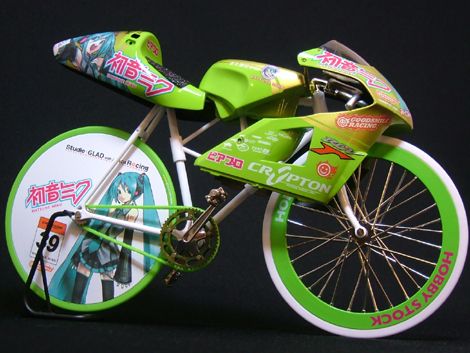
Understanding the Fairing Bicycle Concept
A fairing bicycle is not just any ordinary bicycle; it is a specialized type designed to enhance performance, efficiency, and comfort by incorporating an aerodynamic shell or fairing. The concept of fairing comes from the world of automotive and aerospace design, where streamlined shapes are used to reduce drag and resistance. On a bicycle, this translates into less effort required to pedal, allowing riders to achieve higher speeds with lower energy expenditure. Fairing bicycles are particularly popular among long-distance cyclists, racers, and enthusiasts who love pushing their limits.
Fairings can be full, covering the rider almost completely, or partial, protecting only certain sections like the front or sides. Materials used in constructing fairings vary from lightweight fiberglass and carbon fiber to durable plastics. These materials are chosen to balance strength, weight, and aerodynamic efficiency. A well-designed fairing not only improves speed but also shields the rider from wind, rain, and debris, making cycling more comfortable in diverse weather conditions.
The history of fairing bicycles dates back to the 1970s when experimental and speed-focused designs began to appear in competitions. Engineers and cyclists experimented with various forms of streamlining, drawing inspiration from the shapes of airplanes and motorcycles. Over the years, modern fairing bicycles have evolved into sophisticated machines, incorporating advanced aerodynamics, ergonomic design, and lightweight materials to meet the demands of professional cyclists and hobbyists alike.
Types of Fairing Bicycles

Fairing bicycles come in a range of designs, each suited for specific cycling needs. Understanding the types helps riders choose the right bicycle for their purpose and riding style. The main categories include recumbent bikes, velomobiles, and front fairing bicycles.
Recumbent bikes are designed with a reclined seating position that naturally reduces wind resistance and improves comfort. When equipped with a fairing, the benefits multiply, providing a highly aerodynamic and efficient riding experience. These bicycles are ideal for long-distance rides, touring, and individuals looking for ergonomic support without compromising speed.
Velomobiles are fully enclosed bicycles with a streamlined body that covers the entire structure, including the wheels and rider. Velomobiles are considered the pinnacle of fairing design, offering maximum aerodynamic efficiency, protection, and speed. They are often used in competitive racing and long-distance commuting where high efficiency is essential.
Front fairing bicycles feature partial enclosures, typically covering the handlebars and the front part of the bicycle. This type provides moderate aerodynamic improvement while keeping the ride accessible and relatively light. Front fairing designs are suitable for urban commuting and recreational riding, offering a balance between performance and practicality.
Benefits of Using a Fairing Bicycle
Riding a fairing bicycle comes with multiple advantages, making it an appealing choice for cyclists seeking performance, comfort, and innovation. The most significant benefit is the aerodynamic efficiency gained from the streamlined design. Reduced air resistance allows riders to achieve higher speeds without exerting additional energy. This is particularly beneficial for long-distance rides and competitive racing.
Another advantage is protection from environmental elements. Fairing bicycles shield riders from wind, rain, and debris, improving comfort and safety. On windy days, the fairing helps stabilize the bicycle, reducing the impact of crosswinds and allowing a smoother ride. During rainy or dusty conditions, the enclosure prevents water or dirt from directly hitting the rider, maintaining visibility and cleanliness.
Fairing bicycles also provide ergonomic benefits. Many designs, especially recumbents and velomobiles, distribute the rider’s weight more evenly, reducing pressure on the back, shoulders, and wrists. This makes long rides less physically taxing and helps prevent fatigue and injuries. The combination of aerodynamic efficiency and ergonomic design ensures a sustainable, high-performance cycling experience for riders of all levels.
Materials and Construction of Fairing Bicycles
The materials used in fairing bicycles play a crucial role in determining performance, weight, and durability. Advanced materials such as carbon fiber, fiberglass, and lightweight plastics are commonly used to create strong yet lightweight structures. Carbon fiber is particularly popular due to its high strength-to-weight ratio and excellent aerodynamic shaping capability.
Fiberglass is a more affordable alternative that still offers durability and the ability to mold complex shapes. It is commonly used in hobbyist and mid-range fairing bicycles. High-quality plastics, often reinforced with fiberglass or carbon fibers, provide a balance between cost, weight, and aerodynamic efficiency. Designers carefully choose materials to ensure the fairing withstands environmental exposure while maintaining a sleek, efficient shape.
Construction techniques vary depending on the bicycle type and the desired performance characteristics. Many fairings are molded in one piece for strength and minimal drag, while others are assembled from multiple panels for ease of maintenance and customization. Attention to detail during construction is essential, as small gaps or poorly aligned components can disrupt airflow and reduce aerodynamic benefits. Advanced fairing bicycles often undergo wind tunnel testing to optimize shape, airflow, and stability under real-world cycling conditions.
Aerodynamics and Performance
Aerodynamics is the cornerstone of fairing bicycle design. By reducing drag, fairings allow riders to convert more of their pedaling energy into forward motion rather than battling air resistance. The shape, size, and angle of the fairing directly influence the bicycle’s performance. A streamlined, teardrop-shaped fairing minimizes turbulence and maximizes speed efficiency.
Fairing bicycles can achieve significant speed gains compared to traditional bikes, especially at higher velocities. At speeds above 20 miles per hour, air resistance becomes the dominant force acting against the rider. A well-designed fairing reduces drag by as much as 50%, translating to faster rides with lower energy expenditure. This aerodynamic advantage is why professional speed cyclists and enthusiasts often invest in fairing technology for racing and long-distance events.
In addition to speed, fairings improve stability and handling. The smooth airflow reduces buffeting from wind gusts, making it easier to maintain a straight line and control the bicycle. However, designers must consider crosswind effects, as poorly designed fairings can catch side winds and create instability. Modern fairing bicycles are engineered to balance drag reduction with stability, ensuring a safe, comfortable, and fast ride in various weather conditions.
Comfort and Ergonomics in Fairing Bicycles
One of the often-overlooked benefits of fairing bicycles is enhanced comfort. Long-distance rides can be physically demanding, but fairings can reduce fatigue by improving aerodynamics, supporting the rider, and shielding from environmental stressors. Recumbent fairing bicycles, in particular, offer excellent ergonomic support, distributing weight across a larger surface area and reducing pressure on sensitive areas.
The seating position on fairing bicycles is often more relaxed, allowing the rider to maintain an efficient pedaling motion with minimal strain. Adjustable seating, handlebars, and pedal positions further enhance comfort, allowing riders to fine-tune their setup for optimal performance and posture. Fairings that cover the rider partially or fully also provide a sense of security and protection, reducing fatigue from constant exposure to wind or sun.
Additionally, fairing bicycles often come equipped with vibration-dampening components. These features, combined with the aerodynamic enclosure, create a smoother ride experience, especially on rough or uneven surfaces. Comfort and ergonomics in fairing bicycles are not just about convenience; they play a critical role in ensuring that cyclists can sustain higher speeds over longer distances without injury or exhaustion.
Speed and Efficiency Comparison with Traditional Bicycles
When comparing fairing bicycles to traditional bicycles, the differences in speed and efficiency are remarkable. On flat terrain, a rider on a fairing bicycle can achieve significantly higher speeds with the same effort compared to an unfaired bike. The aerodynamic advantage reduces energy loss to air resistance, allowing for sustained high-speed riding.
In endurance and racing scenarios, fairing bicycles demonstrate superior efficiency. Riders can maintain higher average speeds over long distances without experiencing the same level of fatigue as on a traditional bike. Energy efficiency also translates into reduced calorie expenditure, making fairing bicycles an excellent choice for fitness enthusiasts looking to maximize performance.
While fairing bicycles offer speed and efficiency benefits, they require careful handling. Their larger size and enclosed structure can make them less maneuverable in tight urban environments. Additionally, riders need to be cautious in windy conditions, as fairings can act like sails. Despite these considerations, the performance benefits make fairing bicycles a compelling choice for dedicated cyclists who prioritize speed, endurance, and aerodynamic efficiency.
Maintenance and Care for Fairing Bicycles
Maintaining a fairing bicycle involves more than standard bike care due to the additional components and materials involved. Regular inspections of the fairing for cracks, dents, or loose fittings are essential to maintain aerodynamic performance and safety. Cleaning should be done carefully with non-abrasive materials to avoid scratching or damaging the fairing’s surface.
Lubrication of moving parts, such as chains, gears, and bearings, remains a standard part of maintenance. However, fairing bicycles may require occasional adjustment of mounting points, screws, or hinges that secure the fairing to the frame. Ensuring the fairing is properly aligned helps prevent drag reduction loss and maintains ride stability. Specialized tools may be needed for some repairs, particularly on custom or high-end fairing designs.
Storage is another key consideration. Because fairings can be fragile, it’s advisable to store fairing bicycles indoors or in a protective environment. Avoid exposing the fairing to extreme temperatures or prolonged sunlight, as these conditions can weaken materials over time. With proper care, fairing bicycles can maintain their performance, appearance, and safety for many years, making them a worthwhile investment for serious cyclists.
Popular Fairing Bicycle Brands and Models
Several brands have established themselves as leaders in the fairing bicycle market, offering a range of options for different budgets and riding needs. Notable brands include Velomobiel.nl, DF Racing, and Quest Velomobile. Each brand emphasizes aerodynamics, performance, and rider comfort in their designs.
Velomobiel.nl is known for high-performance velomobiles, offering fully enclosed fairing bicycles that excel in speed, efficiency, and comfort. DF Racing produces recumbent bicycles with partial fairings, ideal for enthusiasts seeking a balance of speed and maneuverability. Quest Velomobile offers innovative designs for competitive racing and long-distance touring, combining lightweight materials with exceptional aerodynamic efficiency.
Choosing a fairing bicycle from a reputable brand ensures access to quality construction, support, and replacement parts. Riders should consider their specific needs, such as daily commuting, competitive racing, or leisure touring, when selecting a model. The right choice can greatly enhance the cycling experience, offering unmatched speed, protection, and comfort.
Future of Fairing Bicycles
The future of fairing bicycles is bright, with ongoing advancements in materials, aerodynamics, and technology shaping the next generation of designs. Lightweight composites, 3D-printed components, and computational fluid dynamics (CFD) are driving innovations in performance and efficiency. Electric-assist fairing bicycles are also emerging, combining aerodynamic efficiency with motorized support for even greater speed and endurance.
Sustainability is another trend influencing the fairing bicycle industry. Manufacturers are exploring recyclable materials, eco-friendly production processes, and energy-efficient designs. This aligns with the broader movement toward green transportation solutions, positioning fairing bicycles as a sustainable alternative for commuting and recreational riding.
As interest in cycling grows globally, fairing bicycles are likely to become more accessible, diverse, and technologically advanced. Enhanced designs, affordability, and integration with digital tools for performance tracking will further attract enthusiasts, commuters, and competitive riders alike. The combination of speed, efficiency, and sustainability ensures that fairing bicycles will remain a fascinating and evolving segment of the cycling world.
Conclusion
Fairing bicycles represent the intersection of engineering, performance, and cycling passion. From recumbents to velomobiles, these specialized bicycles offer unmatched aerodynamic efficiency, comfort, and speed. With proper maintenance, careful selection, and awareness of riding conditions, fairing bicycles can transform the cycling experience, making long-distance rides faster, more comfortable, and enjoyable. As technology advances, fairing bicycles will continue to evolve, offering innovative solutions for riders seeking the ultimate blend of performance and protection.
FAQs
What is a fairing bicycle? A bicycle equipped with an aerodynamic shell or cover to reduce air resistance.
Are fairing bicycles faster than regular bicycles? Yes, they are more aerodynamic and allow higher speeds with less effort.
Can I ride a fairing bicycle in the city? Partial fairings are suitable for urban riding, while full fairings are better for open roads.
How do I maintain a fairing bicycle? Regularly inspect, clean carefully, lubricate parts, and store indoors to protect the fairing.
Are fairing bicycles expensive? Prices vary widely depending on design, materials, and brand, ranging from affordable to high-end models.
Do fairing bicycles provide comfort? Yes, ergonomic seating and wind protection enhance comfort on long rides.
Which brands are best for fairing bicycles? Velomobiel.nl, DF Racing, and Quest Velomobile are popular and reputable brands.
Also read:Cherry Ripe Australia: A Deep Dive into the Nation’s Beloved Chocolate Classic