
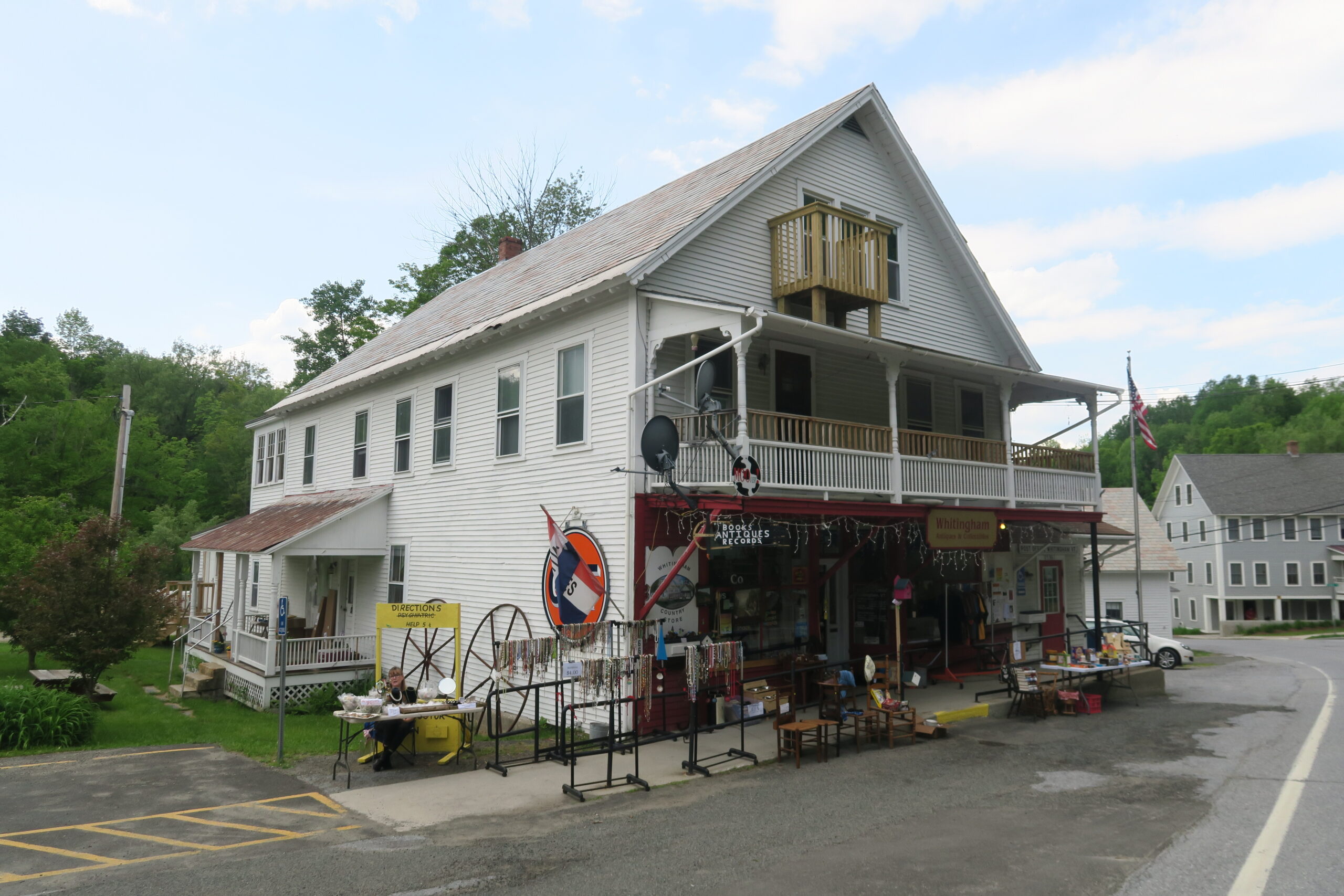
Whitingham, nestled in the scenic heart of Vermont’s Green Mountains, is a town that combines quiet charm with rich historical roots. At first glance, it may seem like just another small New England town, but a deeper look reveals layers of American history, natural beauty, cultural significance, and vibrant community life. This article explores Whitingham in detail—from its early settlement and geography to outdoor activities, local economy, and modern lifestyle—giving you a complete expert perspective. Whether you’re planning a visit, considering moving, or just curious about small-town America, this guide will give you everything you need to know.
Origins and Early History of Whitingham
Whitingham’s story begins in the late 18th century when the town was officially chartered. The area was part of land grants issued to a group of settlers, with Nathan Whiting being a key figure in the town’s founding. The town’s name honors his role in its creation, a legacy that still resonates in Whitingham’s historic identity.
Settlement began in earnest around 1770 when families migrated from the eastern colonies. These pioneers faced rugged terrain, dense forests, and harsh winters. Yet, through resilience and determination, they established farms, homes, and small communities. Their hard work laid the foundation for a town that would grow steadily over the next century.
By the 1800s, Whitingham had developed into a small village with local mills and workshops. Rivers and streams powered sawmills and gristmills, central to the town’s economy and community life. This early industrial activity attracted more settlers, helping the town develop a sense of identity that combined hard work, community cooperation, and connection to the land.
Geographic Setting and Scenic Landscapes
Whitingham is located in southern Vermont, within Windham County, and is surrounded by the lush Green Mountains. The town spans roughly 39 square miles, featuring rolling hills, forests, and several water bodies that shape its natural beauty. Elevations range from 1,500 to over 2,000 feet, offering scenic vistas and a serene environment that draws nature lovers and adventurers alike.
One of the town’s most remarkable features is the Harriman Reservoir, a man-made lake created by damming the Deerfield River. The reservoir stretches across several miles and serves as a hub for recreational activities like fishing, boating, and kayaking. Its calm waters and surrounding forests make it a popular spot for relaxation and outdoor enjoyment.
Whitingham’s landscape also includes farmland, woodlands, and gentle mountains. This diversity supports local wildlife and provides year-round opportunities for outdoor enthusiasts. Hiking, mountain biking, birdwatching, and snow sports are all easily accessible, making Whitingham a town where the seasons directly shape daily life and recreation.
Demographics and Community Life

Despite its large geographic area, Whitingham maintains a small population of around 1,300 residents. This low density contributes to a close-knit, neighborly community where generations of families often live in the same area. The population includes both long-term residents and newcomers seeking the peace and natural beauty of rural Vermont.
Demographically, Whitingham is a mix of families, retirees, and seasonal residents. Many people relocate from urban areas in the Northeast, drawn by the combination of scenic views, affordable housing, and a strong sense of community. These newcomers often integrate into local traditions while also bringing fresh perspectives that enhance the town’s cultural and economic life.
Community life is vibrant despite the town’s small size. Residents participate in seasonal events, volunteer activities, and town meetings that reinforce social bonds. Holidays and local festivals are celebrated collectively, providing both entertainment and an opportunity to strengthen community identity. This sense of connection is one of Whitingham’s most valued qualities.
Local Economy and Real Estate Trends
Whitingham’s economy reflects its rural character, with agriculture, tourism, small businesses, and outdoor recreation as its main pillars. Farms produce crops and livestock, sustaining both local families and the regional economy. Small businesses, including shops, artisan crafts, and service providers, contribute to the town’s charm and practicality.
The real estate market in Whitingham offers a unique combination of affordability and natural beauty. Homes range from historic farmhouses to modern cottages and lakeside properties. The availability of spacious lots and scenic surroundings appeals to those seeking a quieter lifestyle without sacrificing access to amenities. Many buyers are drawn to Whitingham as a place to establish a family home, a vacation retreat, or an investment property.
Jacksonville, the town’s central village, serves as the economic hub. Here, residents can access groceries, essential services, local eateries, and artisan products. The village preserves the intimate charm of small-town life, where personal relationships with business owners and neighbors enhance the sense of community. This balance of economic activity and rural character defines Whitingham’s unique appeal.
Historical Highlights and Cultural Legacy
Whitingham is notable for being the birthplace of Brigham Young, born in 1801. Young became a major figure in American history as the second president of The Church of Jesus Christ of Latter-day Saints and a founder of Salt Lake City. While he moved west, his birthplace in Whitingham remains a point of historical pride and cultural significance.
The town also boasts the Whitingham Village Historic District, preserving 19th-century architecture that tells the story of its early growth. Greek Revival and Federal-style buildings reflect the town’s economic and cultural development during the 1800s. These structures not only enhance the town’s aesthetic but also serve as tangible reminders of its rich history.
Local historical societies and community initiatives help preserve Whitingham’s heritage. Through educational programs, preservation projects, and storytelling, residents and visitors can appreciate the evolution of the town from its frontier origins to the vibrant rural community it is today.
Outdoor Recreation and Natural Attractions
Whitingham excels in providing outdoor recreational opportunities across all seasons. During summer, Harriman Reservoir is a focal point for boating, swimming, and fishing. The Deerfield River offers options for gentle paddling or more adventurous whitewater rafting. Scenic trails through forests and hills provide hiking and biking experiences for all skill levels.
Winter transforms Whitingham into a snowy wonderland. Snowmobiling, cross-country skiing, snowshoeing, and nearby downhill skiing at Mount Snow attract both locals and tourists. Residents embrace outdoor activities year-round, using seasonal changes to engage with nature through sport, exploration, and leisure.
Local parks, trails, and conservation areas contribute to a lifestyle where outdoor engagement is natural and accessible. This close relationship with the environment is a defining characteristic of Whitingham, shaping recreation, culture, and daily living.
Community Events, Education, and Local Life
Community events form the heart of Whitingham’s social life. Festivals celebrate seasonal changes, with fall foliage gatherings and winter holiday events bringing residents together. Education is closely tied to community, with local schools serving as centers for learning, social interaction, and civic engagement.
Libraries, town meetings, and volunteer groups reinforce the small-town community spirit. Life here is defined not by urban conveniences but by personal relationships, shared responsibilities, and traditions passed through generations. Residents take pride in their town, preserving heritage while welcoming thoughtful growth and new ideas.
Even with its modest size, Whitingham’s social fabric is strong. People know neighbors, participate in communal activities, and support each other through local initiatives, making it a town where connection and belonging are part of everyday life.
Modern Challenges and Future Outlook
Like many rural communities, Whitingham faces challenges such as maintaining infrastructure, supporting population growth, and balancing development with preservation. Town planning and community forums address these issues while ensuring that the town retains its character and values.
Opportunities for sustainable growth exist in eco-tourism, small-scale business development, and continued promotion of the town’s scenic and historic assets. Whitingham’s future depends on maintaining its strong community identity while welcoming new residents and visitors who value its unique combination of history, nature, and rural charm.
Living in Whitingham: What Locals Love Most
For residents, Whitingham offers a lifestyle of peace, natural beauty, and community engagement. Seasonal activities, including maple sugaring, fishing, hiking, and boating, create a rhythm that connects people to the land. The balance of tranquility and active outdoor life makes the town attractive for both long-term residents and newcomers.
The cost of living and housing opportunities allow people to settle comfortably while enjoying scenic surroundings. Homes with acreage, lakeside views, and proximity to forests provide an environment where dreams of rural living can become reality. Combined with small-town social connections and rich natural landscapes, Whitingham is a town that offers both serenity and engagement for those who call it home.
Frequently Asked Questions (FAQs)
What state is Whitingham in?
Whitingham is in the state of Vermont.
Is Whitingham a large town?
No, Whitingham is a small rural town with a population of around 1,300.
What lake is Whitingham known for?
Whitingham is known for the Harriman Reservoir.
Who is a famous person born in Whitingham?
Brigham Young, a prominent leader in American religious history, was born in Whitingham.
Can you ski near Whitingham?
Yes, Mount Snow and surrounding areas provide skiing and other winter sports opportunities.
Also read:Murder of Kyle Dinkheller: A Full Account of the Tragic Incident, Investigation, and Legacy