What is a Freezie?
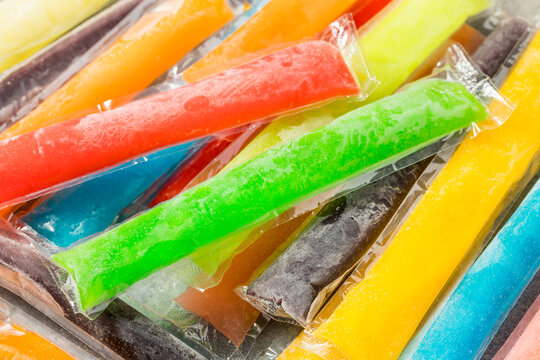
A freezie is one of those simple yet incredibly satisfying frozen treats that almost everyone has tried at least once in their life. It usually comes in a long plastic tube filled with flavored liquid that is frozen until solid. Once frozen, you either cut or tear the top and enjoy it by squeezing the icy goodness out. The texture is somewhere between crushed ice and a smooth slush, which makes it refreshing, especially on hot days. Freezies are often brightly colored and come in a wide range of fruity flavors like orange, strawberry, cola, and lemon-lime.
What makes freezies stand out is their convenience and affordability. Unlike ice cream, which requires scoops, bowls, or cones, a freezie is ready to eat right out of its packaging. You don’t need any extra tools, and there is almost no mess if you handle it properly. This ease of use has made freezies extremely popular among kids and adults alike. In many countries, they are sold at small shops, school canteens, and even by street vendors.
Another interesting aspect of freezies is how customizable they are. While store-bought options are common, many people prefer to make their own at home using juices, syrups, or even milk-based mixtures. This flexibility allows people to experiment with flavors and ingredients, making freezies not just a snack but also a fun activity. Over time, they have become more than just a treat—they are a nostalgic experience tied to childhood memories and summer fun.
The History and Evolution of Freezies

The concept of frozen flavored ice dates back much further than many people realize. Early forms of frozen desserts existed in ancient civilizations where people mixed snow with fruit juices or honey to create refreshing treats. However, the modern version of the freezie began to take shape in the early 20th century when refrigeration technology became more widely available. This allowed manufacturers to produce and store frozen treats on a larger scale.
The invention of packaged frozen ice treats was a game changer. Companies started producing flavored liquids that could be frozen and sold in simple packaging. Over time, the long plastic tube design became the standard for freezies because it was cheap to produce and easy to use. This design also made it possible to transport large quantities without worrying about breakage or spoilage.
As the years went by, freezies evolved in both flavor and quality. Early versions were often limited to a few basic options, but today there are countless varieties available. Some brands focus on natural ingredients, while others experiment with unique flavor combinations like tropical fruits or even sour candy-inspired options. The evolution of freezies reflects changes in consumer preferences, as people now look for healthier, more diverse, and more exciting options in their snacks.
Why Freezies Are So Popular
One of the main reasons freezies are so popular is their refreshing nature. In hot climates, especially during summer, people are always looking for ways to cool down quickly. A freezie provides instant relief from the heat, making it a go-to choice for many. Its icy texture and fruity flavors create a cooling sensation that is both satisfying and enjoyable.
Another reason for their popularity is their affordability. Freezies are usually much cheaper than ice cream or other frozen desserts. This makes them accessible to a wide range of people, including children who may only have a small amount of pocket money. Because they are inexpensive, people often buy them in bulk, keeping their freezers stocked for whenever they need a quick treat.
The nostalgia factor also plays a big role. For many people, freezies are closely associated with childhood memories—playing outside, visiting local shops, and enjoying a cold treat with friends. This emotional connection keeps people coming back to freezies even as they grow older. It’s not just about the taste; it’s about reliving those simple, joyful moments.
Types of Freezies Available Today
Freezies come in a wide variety of types, each catering to different tastes and preferences. The most common type is the classic fruit-flavored freezie, which is made from water, sugar, and artificial or natural flavoring. These are the brightly colored ones that you often see in stores, and they remain the most popular choice for many people.
There are also juice-based freezies, which are made using real fruit juice instead of artificial flavors. These are often marketed as a healthier option because they contain fewer artificial ingredients. They tend to have a more natural taste and are especially popular among parents who want to give their children a better alternative to sugary snacks.
Another growing category is creamy freezies. These are made with milk or cream, giving them a richer and smoother texture compared to traditional ice-based freezies. Flavors like chocolate, vanilla, and strawberry milk are common in this category. Creamy freezies are perfect for those who want something closer to ice cream but still enjoy the convenience of a freezie.
How Freezies Are Made
The process of making freezies is relatively simple, which is one of the reasons they are so widely available. It starts with preparing the liquid mixture, which typically includes water, sugar, flavoring, and sometimes coloring. For juice-based freezies, real fruit juice is used instead of artificial flavors. The ingredients are mixed thoroughly to ensure a consistent taste.
Once the mixture is ready, it is poured into long plastic tubes. These tubes are then sealed to prevent leakage. The filled tubes are placed in large freezers where they are kept at very low temperatures until the liquid completely freezes. This process can take several hours, depending on the size of the freezie and the temperature of the freezer.
After freezing, the freezies are packaged and distributed to stores. Some are sold individually, while others come in packs. The simplicity of this process makes it easy for both large manufacturers and individuals at home to produce freezies. This is why homemade versions are just as popular as store-bought ones.
Making Freezies at Home
Making freezies at home is not only easy but also a fun activity that you can do with family or friends. All you need are some basic ingredients and a few simple tools. The most important component is the liquid mixture, which can be anything from fruit juice to flavored milk or even soda.
To start, you prepare your chosen liquid and pour it into freezer-safe plastic tubes or molds. If you don’t have specialized tubes, you can use small plastic bags or even ice pop molds. Make sure to leave a little space at the top because the liquid will expand as it freezes. Once filled, seal the containers tightly.
Place the filled tubes in the freezer and wait until they are completely frozen. This usually takes a few hours. Once ready, you can cut open the top and enjoy your homemade freezie. The best part about making them at home is that you have full control over the ingredients, allowing you to create healthier and more creative options.
Health Aspects of Freezies
When it comes to health, freezies can be both good and bad depending on how they are made. Traditional store-bought freezies often contain a lot of sugar and artificial ingredients. Consuming them in large amounts can contribute to health issues such as weight gain and tooth decay. This is why moderation is important when enjoying these treats.
On the positive side, freezies can be a healthier alternative to other desserts if made with natural ingredients. Homemade freezies using fresh fruit juice, minimal sugar, and no artificial additives can be a refreshing and nutritious snack. They can even be used to encourage children to consume more fruits.
Another benefit is hydration. Since freezies are primarily made of water or juice, they can help keep you hydrated, especially in hot weather. However, it is important to remember that they should not replace regular water intake. Instead, they should be enjoyed as a supplement to a balanced diet.
Freezies Around the World
Freezies are known by different names in different parts of the world. In some places, they are called ice pops, freeze pops, or ice tubes. Despite the different names, the concept remains the same—a frozen flavored treat in a convenient package. This global presence shows just how popular and versatile freezies are.
In warmer regions, freezies are especially common because they provide an easy way to beat the heat. Street vendors often sell them in large coolers, offering a variety of flavors to choose from. In colder regions, they are still enjoyed but are more seasonal, typically consumed during summer months.
Cultural variations also play a role in how freezies are made and consumed. Some countries use local fruits and flavors, creating unique versions that reflect their culinary traditions. This diversity adds to the charm of freezies, making them a universal treat with local twists.
Creative Freezie Ideas and Flavors
One of the best things about freezies is how creative you can get with them. Instead of sticking to traditional flavors, you can experiment with different combinations to create something unique. For example, mixing mango and pineapple can give you a tropical freezie, while combining lemon and mint can create a refreshing twist.
You can also add pieces of fruit to your freezies for extra texture and flavor. Small chunks of strawberries, blueberries, or kiwi can make your freezie more interesting and visually appealing. This is especially popular in homemade versions where you have full control over the ingredients.
Another creative idea is to layer different flavors in the same tube. By freezing one layer at a time, you can create a multi-colored freezie with distinct taste sections. This not only looks attractive but also adds an element of surprise as you eat it. The possibilities are endless, making freezies a great way to experiment in the kitchen.
Tips for Enjoying Freezies
To get the best experience from your freezie, there are a few simple tips you can follow. First, make sure it is fully frozen before eating. A partially frozen freezie can be messy and less enjoyable because the texture will not be consistent.
Second, be careful when opening the top. Use scissors if necessary to avoid spilling or cutting yourself. Once opened, squeeze gently from the bottom to push the ice upward. This makes it easier to eat and prevents the freezie from breaking.
Finally, enjoy it slowly. Freezies are meant to be refreshing, so take your time and savor the flavor. Eating too quickly can sometimes cause a “brain freeze,” which can be uncomfortable. By pacing yourself, you can fully enjoy the experience.
Conclusion
Freezies are more than just a simple frozen treat—they are a symbol of fun, refreshment, and creativity. From their humble beginnings to their current popularity around the world, they have remained a favorite for people of all ages. Their affordability, convenience, and versatility make them a timeless snack that continues to evolve with changing tastes and preferences.
Whether you buy them from a store or make them at home, freezies offer a refreshing escape from the heat and a chance to enjoy something sweet and satisfying. With so many flavors and variations available, there is always something new to try. As long as they are enjoyed in moderation, freezies can be a delightful addition to your snack routine.
In the end, the charm of freezies lies in their simplicity. They remind us that sometimes the best things in life are the simplest ones—a frozen tube of flavored ice that brings a smile to your face on a hot day.
FAQs
What is a freezie made of? It is usually made from water, sugar, and flavoring, sometimes with fruit juice.
Are freezies healthy? They can be healthy if made with natural ingredients and low sugar.
Can I make freezies at home? Yes, you can easily make them using juice or flavored liquids.
Why do freezies cause brain freeze? Eating them too quickly can shock the nerves in your mouth.
How long do freezies take to freeze? They typically take a few hours depending on freezer temperature.
Also read:Whitingham: A Deep Dive into a Historic Vermont Town