
Introduction
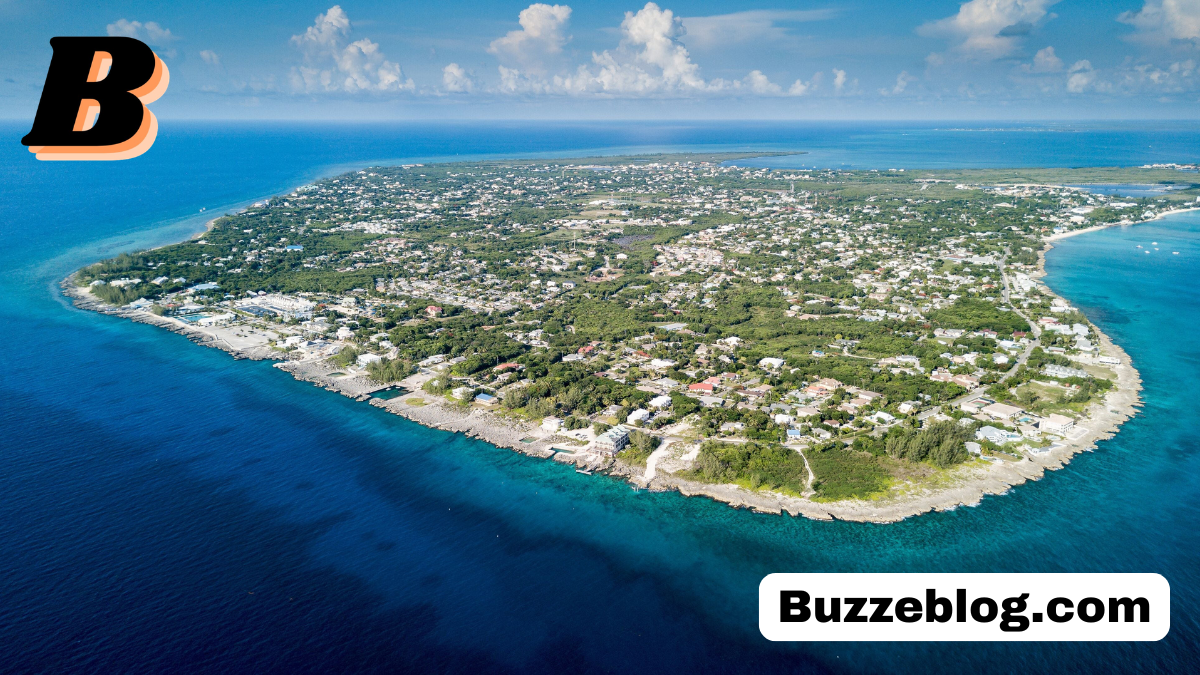
When you think of the Caribbean, images of clear blue water, soft sandy beaches, and laid‑back island life probably come to mind. But when you narrow your focus to the small Cayman Island experience, you dive deeper into a world that’s both world‑class and wonderfully intimate. The Cayman Islands might feel small on a map, but this tropical paradise packs a remarkable punch in culture, cuisine, underwater wonders, and day‑to‑day island life. This article will guide you through every part of that experience like a local expert — from tiny secluded coves to the major attractions that make this destination unforgettable. Whether you’re planning your first trip or returning to explore more, you’ll find insights, stories, and practical tips to make the most of your visit to this unique Caribbean archipelago.
What Makes the Small Cayman Island Unique
The phrase small Cayman Island often sparks curiosity, but what truly sets these islands apart goes far beyond their size. Yes, geographically the Cayman Islands are compact compared with sprawling countries, yet this very compactness makes travel here seamless and intimate. You can explore coral reefs, local markets, luxury resorts, and family‑friendly spots all within quick reach. The islands have harnessed their size to offer concentrated beauty — no endless driving from town to town, just a continual sense of discovery no matter where your feet land.
Life on the Cayman Islands is a blend of Caribbean relaxation and global sophistication. When you stroll through George Town or Seven Mile Beach, you see stylish boutiques alongside traditional craft sellers. The Caymans have built a reputation as an international finance hub, yet they retain an authentic island heartbeat that beats through cultural festivals, cuisine, storytelling, and community celebrations. Much of what makes the small Cayman Island truly special is this intermingling of worlds — the local island charm paired with cosmopolitan touches.
Another layer to the allure of the Cayman Islands is how unspoiled much of the natural environment remains. Even with tourism bringing visitors from around the world, the islands have managed to protect vast tracts of coral reefs, mangrove systems, and native beaches. Sustainability is not just a buzzword here — it’s integrated into community planning, diving practices, and even local school curricula. So when you explore the small Cayman Island, you’re stepping into a living example of how nature, culture, and modern amenities can co‑exist beautifully.
Brief Overview of Cayman Islands Geography and Location
The Cayman Islands consist of three main islands: Grand Cayman, Cayman Brac, and Little Cayman. When people refer to the small Cayman Island, they are most commonly picturing Little Cayman, or sometimes just appreciating the intimate feel of the entire group. Geographically, Little Cayman is the smallest and least populated, offering unrivaled peace and unhurried exploration. Grand Cayman, though larger and more developed, still retains a sense of cozy community and easily explored natural beauty. Cayman Brac sits in the middle, known for rugged limestone bluffs and serene landscapes.
Positioned in the western Caribbean Sea, the Caymans lie south of Cuba and northwest of Jamaica. This location places the islands in a warm tropical climate with gentle sea breezes year‑round. Even in the rainy season, showers are usually brief and followed by sunshine, which makes exploring the small Cayman Island especially rewarding. The proximity to other Caribbean nations also influences the islands’ culture, cuisine, and musical rhythms.
Understanding the geography also means appreciating the variety of natural settings available within short distances. On Grand Cayman, for example, you can easily go from a coral reef dive to a botanical garden visit to a bustling shoreline café in a single day. Little Cayman’s geography rewards those who focus on nature — birdwatchers, divers, and photographers find surprises around every quiet corner. Geography here isn’t just background scenery; it’s an integral part of your travel experience.
The Best Times to Visit Small Cayman Island
Choosing when to visit the small Cayman Island depends on what you want from your trip. Peak season runs from December to April, when the weather is perfectly warm without being hot, and rainfall is minimal. During this time, the islands hum with activity — international flights arrive regularly, and restaurants and attractions are at full throttle. If you enjoy lively energy and don’t mind slightly higher prices, this season is ideal.
For those who prefer fewer crowds and more relaxed days, the shoulder seasons — May through June and late November — offer excellent conditions with more breathing room. The weather remains comfortably tropical, water activities are smooth, and hotel deals become more attractive. Locals often say you get the best experience when you feel like you’re sharing the island with more residents than tourists, and the shoulder months make that feel natural.
Rainy season runs from June to October, and while this can mean heavier showers, it doesn’t translate to ruined vacations. Rain usually passes quickly, and the lush island greenery glows after a fresh rainfall. This is also the most budget‑friendly time to visit if you’re watching costs — airlines and hotels typically offer deals, and you’ll enjoy slower lines and more personal attention at top attractions. Just keep an eye on weather forecasts during hurricane season and plan accordingly.
Arriving on the Island: Entry, Airports, and Transportation
Flying into the Cayman Islands is straightforward thanks to the Owen Roberts International Airport on Grand Cayman. This is the main gateway for international flights, with connections from the United States, Canada, and neighboring Caribbean nations. If you’re heading to Little Cayman or Cayman Brac, a short domestic flight or ferry ride connects you quickly from Grand Cayman. These domestic hops are brief but beautiful, giving you quick bird’s eye views of the coral reefs and shallow waters that surround the islands.
Immigration procedures are smooth, and passports are checked with friendly efficiency. Depending on your country of origin, visas may be required, so it’s wise to check entry requirements well before your travel dates. Once you’re through customs, rental car counters and taxi services are easy to find. Renting a car gives you the flexibility to explore at your own pace, especially on Grand Cayman and Cayman Brac.
Public transportation is limited compared with larger countries, but island‑wide taxi services and private shuttles fill the gap. On Little Cayman, you’ll find that most accommodations help arrange transportation or have bikes available — a fun and eco‑friendly way to get around. Whether you prefer wheels or a leisurely walk, the small Cayman Island scale makes getting around easy and enjoyable.
Exploring the Beaches and Nature Spots
Few places in the world boast beaches as inviting as those on the small Cayman Island. Seven Mile Beach on Grand Cayman is often named one of the Caribbean’s best for a reason — its soft, pale sand stretches seemingly endlessly, and the ocean’s gradient stays gentle and swim‑friendly for far out. Beyond the main stretch, you’ll find hidden coves and quiet spots where locals picnic, read, and watch the sun drop toward the horizon.
Little Cayman brings a different vibe entirely. Here, beaches are quieter and surrounded by serene wildlife habitats. Jackson Bay is a favorite — a wide shoreline framed by swaying palms and ideal for long reflective walks. Because the population is small, you often find yourself with miles of coastline feeling like your own private paradise.
Nature doesn’t stop at beaches. The islands’ mangrove systems teem with life and are best explored by kayak. Pink‑toed crabs, herons, and other native birds frequent these ecosystems. On Cayman Brac, the Bluff offers nature trails with striking views and the occasional iguana sunning itself on limestone rocks. Whether you’re a photographer, a nature lover, or someone who just wants to breathe fresh salt air, the small Cayman Island delivers unforgettable experiences around every bend.
Diving and Snorkeling: World‑Class Underwater Adventures
There’s a reason divers from all over the globe flock to the Caymans. The underwater world here is legendary. The small Cayman Island is surrounded by dramatic coral walls, vibrant reefs, and underwater caves that are accessible to both beginners and seasoned divers. Sites like the Kittiwake Shipwreck are near shore and suitable for novice divers, while deeper drop‑offs along the wall attract experienced thrill‑seekers.
Snorkeling is equally spectacular. Just off shore from many beaches, you can slip into clear water and immediately find colorful reef fish, sea turtles, and coral gardens. Sites like Cemetery Beach on Grand Cayman offer shallow snorkeling perfect for families and first‑timers. On Little Cayman, Bloody Bay Marine Park is a protected area with kaleidoscopic coral and abundant sea life that doesn’t disappoint.
The water clarity here is so impressive that visibility often exceeds 100 feet. Whether you go with a guided charter or explore from shore, you feel connected to an ecosystem that’s thriving and vibrant. Dive shops and marine guides are professional and safety‑oriented, and many offer certification courses if you want to elevate your skills during your visit.
Taste of the Islands: Local Cuisine and Dining Culture
One of the joys of visiting the small Cayman Island is the food. Island cuisine reflects a fusion of Caribbean flavors, fresh seafood, and global influences. You’ll find conch fritters that are crisp on the outside and tender within, grilled mahi‑mahi seasoned with tropical herbs, and ackee paired with saltfish — a Caribbean staple. Don’t miss trying Cayman style beef or chicken cooked with island spices and served alongside rice and sweet plantains.
Farmers’ markets and roadside stands offer local fruits like juicy mangoes, soursop, and star fruit. These make for refreshing snacks between beach outings or tasting sessions with local rum punches. Dining ranges from high‑end oceanfront restaurants with curated menus to humble beach bars where fish is caught that morning and grilled that afternoon.
One unique aspect of dining here is the sense of community. Locals enjoy gathering for fish fries, live music nights, and food festivals that happen throughout the year. Even if you’re an independent traveler, you’ll feel welcomed into the food culture with open arms and happy conversations. The small Cayman Island eating scene is as much about the connection as it is about the flavors.
Culture and Traditions: What It’s Like to Live Here
.jpg)
The Cayman Islands’ culture is rich and deeply rooted in Caribbean heritage blended with global influences from decades of international connections. The people here are warm, friendly, and proud of their traditions. You’ll hear stories of seafaring ancestors, hear local music that blends reggae, calypso, and modern beats, and watch artisans craft beautiful works from conch shells and local woods.
Festivals play a large role in cultural life. Pirates Week on Grand Cayman celebrates the islands’ past with parades, costume contests, and games that embrace fun and history. Batabano, a vibrant carnival event, brings energetic music, dance, and stunning costumes to the streets. These celebrations reflect a community that values history, joy, and togetherness.
Life moves at its own rhythm here — casual, respectful of nature, and focused on relationships. Whether you’re chatting with someone at a beachside café or listening to local musicians improvise under a palm tree, you’ll feel the cultural heartbeat of the small Cayman Island in every shared smile and conversation.
Accommodation Options: From Luxury to Local Stays
Whether you’re hoping for five‑star luxury or a cozy island cottage, the small Cayman Island offers accommodations to suit varied preferences and budgets. Grand Cayman hosts high‑end resorts with private beach access, spa services, and world‑class dining on site. These properties often cater to travelers looking for pampered comfort, perfect for honeymoons or milestone celebrations.
Meanwhile, Cayman Brac and Little Cayman feature quieter lodgings that feel more like home than hotel. On Little Cayman especially, guesthouses and eco‑friendly inns give you a chance to slow down and connect with nature at your own pace. Many are steps from snorkeling spots or tucked into gardens full of birdsong.
No matter where you stay, a common theme is quality service. Because the islands are small, staff often remember guests by name, and personalized recommendations are part of daily life. Booking ahead during peak season is wise, and for quieter months, don’t hesitate to ask hosts for their favorite hidden gems — they usually deliver unforgettable suggestions.
Shopping and Local Markets
Even the small Cayman Island has delightful shopping experiences waiting to be discovered. In George Town, you’ll find boutiques featuring fine jewelry, island‑inspired clothing, and handcrafted goods made by local artists. The tax‑free shopping here is a big draw for visitors — from designer brands to local crafts, there’s a range of treasures to take home.
On Little Cayman and Cayman Brac, markets lean more toward artisanal and handmade items. Think woven baskets, shell art, hand‑dyed fabrics, and unique gemstones. These pieces reflect the character of each island and make meaningful souvenirs or gifts. Local vendors are friendly and often happy to share stories about how their creations came to life — adding depth to every purchase.
Weekend farmers’ markets bring another layer of charm. Fresh produce, tropical fruits, homemade jams, and island spices are all on display. Walking through these markets, chatting with producers, and sampling treats feel like stepping into the heart of island life. Shopping here isn’t just about buying things — it’s about connecting with the people and culture that define the small Cayman Island experience.
Water Sports Beyond Diving
While diving and snorkeling are major attractions, the waters around the Cayman Islands offer a multitude of other ways to play. Kayaking through mangroves gives you a close‑up look at coastal ecosystems and bird life. Paddleboarding is peaceful and meditative, perfect for early morning ocean calm before winds pick up.
Fishing charters are also popular — whether you’re after deep‑sea game fish or content with catch‑and‑cook reef fishing, local captains know their spots and techniques. Sailboats, jet skis, and even kite surfing add to the variety of water adventures available depending on your energy and interests.
What makes all of these activities special is the contrast of deep blue open ocean and shallow turquoise lagoons. This contrast means every type of water enthusiast — peace‑seeker or adrenaline lover — finds plenty to do and explore without feeling crowded or rushed.
Family‑Friendly Activities and Amenities
Families find that the small Cayman Island offers plenty of safe, fun, and educational options for children of all ages. Calm beaches with gentle waves make swimming easy for younger kids. Many resorts and communities have kids programs that include crafts, nature walks, and supervised snorkeling sessions.
For older children and teenagers, interactive experiences like glass‑bottom boat tours, turtle farm visits, and historical site excursions offer both fun and learning. Museums and cultural centers introduce kids to island history and traditions in engaging ways. Even dining out becomes delightful with menus that cater to younger tastes alongside local favorites.
Parents also appreciate the accessibility of emergency services, quality healthcare, and clean public spaces. These factors, combined with a welcoming local community, make the small Cayman Island a reassuring and satisfying family destination year after year.
Health, Safety, and Practical Travel Tips
Health and safety are key when traveling abroad, and on the Cayman Islands, both are well‑managed. Water quality and food safety standards are high, and medical facilities on Grand Cayman are modern and capable. It’s wise to have travel insurance that covers medical needs and any water activity excursions you plan to do.
Sun protection is essential year‑round — the tropical sun can be intense, and hats, reef‑safe sunscreen, and hydration make a big difference in comfort. For water activities, following local guidelines and listening to guides ensures you enjoy the ocean safely. Coral formations and marine life are delicate, so practicing respectful snorkeling and diving habits protects both you and the environment.
Emergency services are responsive and well‑coordinated. In case of unexpected weather events, local authorities communicate quickly through alerts and advisories. Being familiar with basic safety protocols helps make your trip smooth and worry‑free. Practicality meets peace‑of‑mind here, allowing you to focus on joy, discovery, and island living.
Sustainable Travel on the Cayman Islands
Sustainability is a priority on the small Cayman Island. From beach clean‑ups to reef protection programs, both locals and visitors participate in efforts to keep the islands pristine. Many tour operators educate guests about marine conservation and best practices for interacting with wildlife. Hotels and restaurants also adopt environmentally responsible measures — including reduced plastic use, energy conservation, and locally sourced ingredients.
When you travel here with sustainability in mind, you contribute to long‑term preservation that benefits everyone. Simple actions — like using refillable water bottles, choosing eco‑friendly tours, and disposing of waste properly — make a real difference in maintaining the islands’ natural beauty for future generations.
Hidden Gems and Off‑The‑Beaten‑Path Experiences
While guidebooks often highlight popular spots, the small Cayman Island offers countless secret treasures known mostly to locals and seasoned travelers. On Grand Cayman, tucked‑away beaches with fewer crowds await those willing to wander. Little Cayman’s birding trails and cliffside viewpoints reward patient explorers with rare sightings and quiet contemplation.
Even culinary discoveries happen off the beaten path. Small cafés and food stalls serve dishes inspired by family recipes passed down through generations — tastes you won’t find in larger restaurants. Engaging with local makers, guides, and residents unearths stories and places that feel deeply authentic.
These hidden gems are what separate a typical vacation from an unforgettable journey. They encourage curiosity, respect for tradition, and a sense of adventure that stays with you long after you leave.
Planning Your Itinerary: Sample Guides for All Types of Travelers
Whether you have three days, a week, or longer, planning helps you balance iconic must‑sees with personal interests. A typical three‑day itinerary might focus on Seven Mile Beach, a reef dive, and a cultural lunch followed by a sunset sail. Extending your stay allows you to include Little Cayman’s serene beaches, mangrove kayaking, and a culinary tour of hidden hotspots.
Adventure‑seekers should include multi‑site dives, fishing expeditions, and nature hikes across island bluffs. Families might prioritize beach days, interactive museums, and gentle snorkeling excursions. Solo travelers can enjoy self‑guided tours, local art shows, and café hopping paired with quiet journal reflections by the sea.
No matter your travel style, the small Cayman Island structure makes crafting a personalized itinerary a pleasure, not a puzzle. Each day becomes a blend of relaxation, exploration, and chance encounters that shape your unique story.
Final Thoughts: Why the Small Cayman Island Is a Must‑Visit
The small Cayman Island experience is more than a destination — it’s a feeling of effortless wonder. Every sunset, every reef, every meal, and every conversation teaches you something about beauty, community, and harmony with nature. It’s a place where time slows just enough for you to savor moments without losing momentum. Whether you come once or return again and again, the impact stays with you — a gentle pull back to clear water, sand between your toes, and the warm embrace of island spirit.
Frequently Asked Questions
What is the best time of year to visit the Cayman Islands?
The best times are December to April for perfect weather and shoulder seasons like May and late November for fewer crowds.
Do you need a visa to enter the Cayman Islands?
Entry requirements depend on your nationality, so check before you travel.
Can I explore the islands without renting a car?
Yes, taxis, shuttles, and local arrangements make it possible but renting a car offers more flexibility.
Are the Cayman Islands family‑friendly?
Yes, they offer safe beaches, kids’ activities, and amenities suited for families.
Is snorkeling good on the small Cayman Island?
Absolutely — with clear water and abundant marine life, snorkeling is outstanding.
How many islands are in the Cayman Islands?
There are three main islands: Grand Cayman, Cayman Brac, and Little Cayman.
Is it expensive to visit the Cayman Islands?
It can be pricier than some destinations, but budgeting strategies make it manageable.
Is the water around the Cayman Islands warm?
Yes, water temperatures are comfortably warm year‑round.
Are there luxury resorts in the Cayman Islands?
Yes, especially on Grand Cayman, with world‑class amenities.
Can I see wildlife on land as well as sea?
Yes — birdwatching, iguana sightings, and coastal wildlife make land explorations rewarding.
Also read: Look UK Magazine: A Comprehensive Guide to Fashion, Beauty, and Lifestyle Trends