

Introduction to Black Forest Ham
Black Forest ham is one of those foods that effortlessly bridges the gap between rustic tradition and modern culinary sophistication. Even if you’ve never consciously sought it out, chances are you’ve tasted its smoky richness layered inside a sandwich, folded into an omelet, or paired with cheese on a charcuterie board. What makes this ham special is not just its flavor, but the centuries of craftsmanship and regional pride behind it.
At first glance, it may look like just another cured meat, but Black Forest ham carries a distinctive identity shaped by geography, climate, and cultural heritage. Originating from Germany’s famed Schwarzwald region—known in English as the Black Forest—this ham reflects the dense evergreen forests, cool mountain air, and traditional smoking methods that define the area. Every slice tells a story of preservation techniques that were perfected long before refrigeration existed.
Today, Black Forest ham enjoys global popularity. You’ll find it in gourmet delis, supermarkets, and fine dining establishments alike. Yet despite its widespread availability, many people don’t fully understand what sets it apart from other cured meats. In this guide, we’ll explore everything from its historical roots to modern production, nutritional value, cooking ideas, and storage tips—giving you a true expert-level understanding without losing that casual, approachable tone.
The Origins and History of Black Forest Ham
The story of Black Forest ham begins hundreds of years ago in southwestern Germany. The Black Forest region is characterized by cold winters and thick forests of fir and pine trees. Historically, these environmental conditions forced residents to develop reliable food preservation techniques, and curing meat quickly became an essential survival skill.
Farmers traditionally raised pigs during the warmer months and slaughtered them as winter approached. Without freezers, curing with salt and smoking over locally available wood became the most effective method to keep meat edible for months. Over time, families refined their techniques, experimenting with spice blends and smoking durations until the flavor profile became consistent and recognizable.
By the 18th and 19th centuries, Black Forest ham had evolved into more than just a practical food source—it became a regional specialty. Travelers passing through the area would often carry some with them, spreading its reputation beyond Germany. Eventually, strict production standards were introduced to protect authenticity, ensuring that only ham prepared using traditional methods could bear the name.
Interestingly, the smoky aroma we associate with Black Forest ham wasn’t initially created for flavor alone. Smoke helped deter insects, slowed bacterial growth, and dried the meat. The bonus was an irresistible depth of flavor that modern food lovers still crave.
What Makes Black Forest Ham Unique?
When comparing cured meats, subtle differences can drastically change the eating experience. Black Forest ham stands out thanks to a specific combination of curing spices, smoking techniques, and aging processes.
First, the seasoning blend is crucial. Producers typically use salt, garlic, coriander, juniper berries, and pepper. Some variations include hints of nutmeg or bay leaf. These spices don’t overpower the meat; instead, they enhance the natural pork flavor while creating a savory backbone.
Next comes the smoking process. Unlike milder hams, Black Forest ham is heavily smoked over fir or pine wood. This creates a bold aroma and a darker exterior crust. The smoke penetrates deeply, delivering that unmistakable woodsy character that feels almost rustic with every bite.
Another defining trait is the aging period. After smoking, the ham is air-dried for weeks or even months. This concentrates the flavor and slightly firms the texture, giving it that satisfying chew without becoming tough. The outer layer often develops a peppery coating that adds both visual appeal and flavor complexity.
Ultimately, what makes Black Forest ham unique is balance. It manages to be smoky without tasting burnt, salty without overwhelming your palate, and rich without feeling greasy. That harmony is what keeps chefs and home cooks returning to it again and again.
Traditional Production Methods
Authentic Black Forest ham production is a slow process rooted in patience and precision. While modern technology has improved safety and consistency, many producers still honor traditional techniques.
The journey begins with selecting high-quality pork legs. Freshness matters because the curing process amplifies both good and bad qualities. Once chosen, the meat is rubbed with a dry cure mixture containing salt and spices. This stage can last several weeks, during which moisture is drawn out and flavor develops.
After curing, the ham is rinsed and prepared for smoking. Traditional smokehouses in the Black Forest often use softwood from local trees. The ham may be smoked intermittently over several weeks rather than continuously, allowing flavors to build gradually without cooking the meat.
Following smoking, the ham enters the maturation phase. It’s hung in well-ventilated rooms where temperature and humidity are carefully controlled. During this time, natural enzymes break down proteins and fats, resulting in a deeper, more complex taste.
The final product is typically recognizable by its dark exterior and reddish interior. When sliced thinly, it releases a fragrant aroma that signals quality even before the first bite.
Modern Manufacturing vs. Artisan Craftsmanship
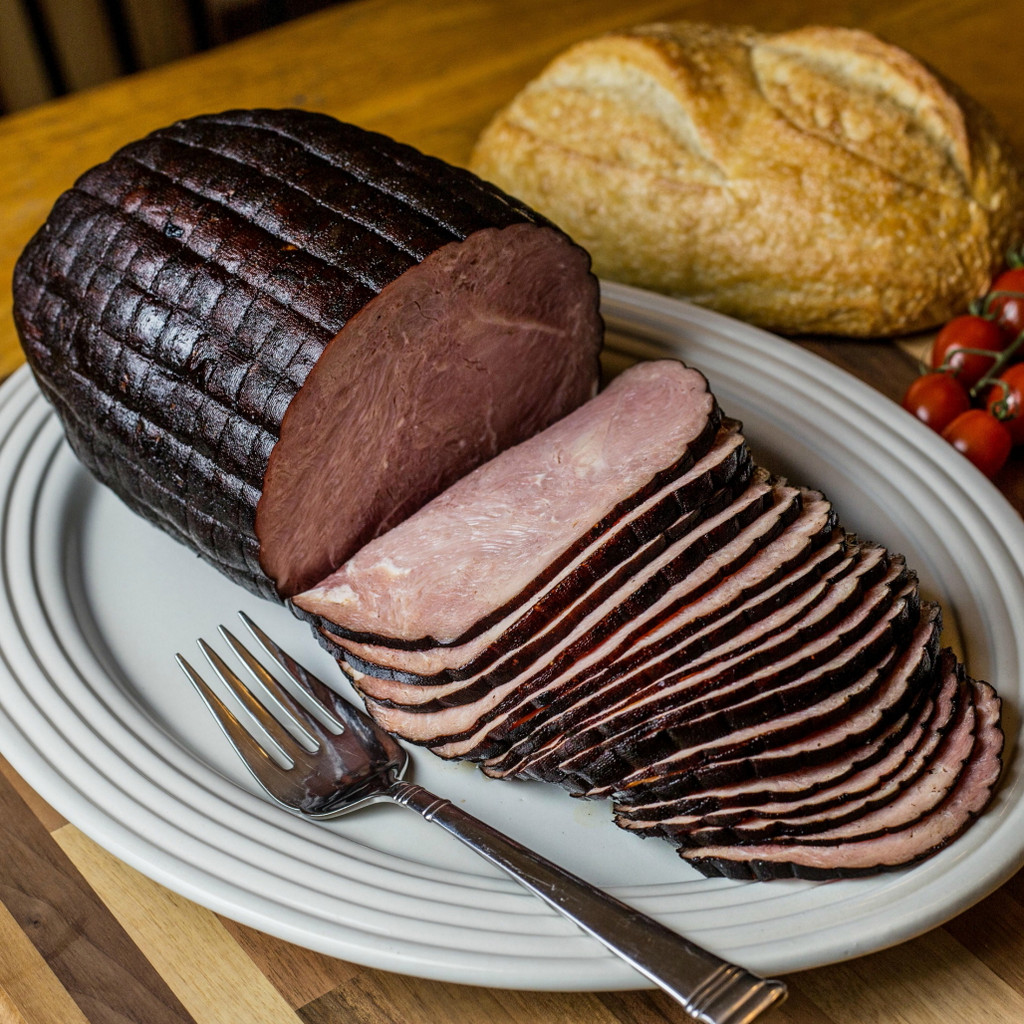
As demand for Black Forest ham grew internationally, large-scale production inevitably followed. Today, you’ll find both artisan and industrial versions, each with its own advantages.
Mass-produced varieties often rely on controlled smoking chambers and standardized curing methods. These ensure consistency and affordability, making the ham accessible to everyday consumers. While some purists argue that industrial versions lack depth, many are still delicious and meet strict quality guidelines.
Artisan producers, however, focus on tradition. Smaller batches allow for more attentive monitoring during curing and aging. These hams often develop nuanced flavor notes—slightly sweeter, smokier, or more aromatic depending on the wood and spice ratios used.
One key difference is time. Industrial producers may accelerate certain steps using modern techniques, while artisans let nature take its course. That extended aging can produce a richer mouthfeel and more layered taste.
For consumers, the choice often comes down to budget and purpose. If you’re building a premium charcuterie board, artisan ham might be worth the splurge. For sandwiches or cooking, a high-quality commercial option usually performs beautifully.
Flavor Profile: What Does Black Forest Ham Taste Like?
Describing flavor can be tricky, but Black Forest ham makes the task enjoyable. Imagine a savory bite that starts slightly salty, quickly followed by deep smokiness, and finishes with subtle herbal warmth.
The smoke is the first thing most people notice. It’s assertive but not harsh, reminiscent of a campfire in the best possible way. Then comes the pork itself—rich, slightly sweet, and satisfying.
Texture plays an important role too. Thin slices feel tender yet structured, offering just enough resistance to remind you that this is a carefully cured product. The fat, when present, melts gently on the tongue, enhancing the overall experience.
Another fascinating element is aroma. Before tasting, you’ll likely catch notes of spice and wood. That sensory preview primes your palate and makes the first bite even more rewarding.
Because the flavor is bold, a little goes a long way. You don’t need thick slabs to appreciate it; even delicate slices can transform a dish.
Nutritional Value and Health Considerations
Black Forest ham isn’t just about indulgence—it can fit into a balanced diet when consumed thoughtfully. Like most cured meats, it offers a strong protein content, which supports muscle maintenance and overall health.
A typical serving provides essential vitamins such as B12, which plays a vital role in nerve function and energy production. It also contains minerals like zinc and iron, important for immune support and oxygen transport in the body.
However, sodium levels deserve attention. The curing process requires salt, meaning portions should be moderated, especially for individuals monitoring blood pressure. Pairing the ham with fresh vegetables or whole grains can help create a more nutritionally balanced meal.
Fat content varies depending on the cut. Leaner slices are available, making it easier to enjoy the flavor without excessive calories. If you’re aiming for lighter meals, combining thin slices with salads or fruit is a smart approach.
Ultimately, Black Forest ham is best enjoyed as part of a varied diet. Think of it as a flavor enhancer rather than the centerpiece of every meal.
How to Select High-Quality Black Forest Ham
Standing in front of a deli counter can feel overwhelming, but a few simple tips will help you choose wisely.
Start by looking at color. Quality Black Forest ham typically has a deep reddish-pink interior with a darker outer edge. Avoid slices that appear overly pale or watery, as these may indicate lower-quality processing.
Next, trust your nose if possible. Fresh ham should smell pleasantly smoky—not sour or overly sharp. Aroma often reveals more about quality than labels do.
Texture is another clue. The meat should appear firm yet supple, not slimy or brittle. Thin slicing is ideal because it highlights the ham’s natural tenderness.
If you’re buying packaged versions, check ingredient lists. Traditional recipes keep additives minimal, focusing on pork, salt, spices, and smoke.
Finally, consider asking the deli staff about origin and production methods. Knowledgeable vendors often enjoy sharing insights, and their recommendations can lead you to exceptional products.
Storage Tips for Maximum Freshness
Proper storage can make the difference between a delightful culinary experience and a disappointing one. Fortunately, Black Forest ham is relatively easy to maintain.
If purchased from a deli, wrap it tightly in wax paper or parchment before placing it in an airtight container. This prevents moisture loss while allowing the meat to breathe slightly.
Refrigeration is essential. Ideally, keep it at a temperature between 34°F and 40°F (1°C to 4°C). Stored correctly, sliced ham typically stays fresh for three to five days.
For unopened vacuum-sealed packages, follow the expiration date but remember that once opened, the clock starts ticking faster.
Freezing is possible but not always recommended. While it extends shelf life, it can slightly alter texture. If you must freeze it, separate slices with parchment paper so you can thaw only what you need.
Always inspect the ham before eating. Changes in smell, color, or texture are signs it’s time to discard it.
Culinary Uses: Elevating Everyday Meals
Black Forest ham is remarkably versatile. Whether you’re preparing a quick breakfast or hosting an elegant dinner, it adapts effortlessly.
For mornings, try folding thin slices into scrambled eggs or layering them on avocado toast. The smokiness pairs beautifully with creamy textures.
At lunch, sandwiches benefit immensely from its depth of flavor. Combine it with crusty bread, mustard, and crisp lettuce for a satisfying bite that feels gourmet without requiring advanced skills.
Dinner options are equally exciting. Wrap it around asparagus, stuff it into chicken breasts, or chop it into pasta dishes. Even small amounts can transform simple recipes into something memorable.
It also shines in appetizers. Rolled with soft cheese or melon, it creates that classic sweet-and-savory contrast that guests love.
The key is restraint—let the ham enhance rather than overpower other ingredients.
Pairing Black Forest Ham with Cheese and Wine
Pairings can elevate Black Forest ham from delicious to unforgettable. Because it carries bold flavors, selecting complementary partners is essential.
Cheeses with creamy textures work particularly well. Brie, camembert, and mild goat cheese soften the smokiness while adding richness. For contrast, aged cheeses like gruyère introduce nutty complexity.
When it comes to wine, acidity is your friend. Crisp white wines cut through the saltiness, refreshing your palate between bites. Light reds with low tannins also perform nicely, allowing the ham’s flavor to remain center stage.
Beer lovers aren’t left out either. Malty lagers and slightly sweet ales balance the smoky notes beautifully.
Don’t overlook non-alcoholic options—sparkling water with citrus or apple cider can achieve a similar cleansing effect.
Experimentation is part of the fun. Taste combinations and trust your preferences.
Black Forest Ham Around the World
Although rooted in Germany, Black Forest ham has found fans across continents. Globalization has introduced it to diverse cuisines, inspiring creative adaptations.
In North America, it’s a deli staple, frequently featured in sandwiches and breakfast platters. Many restaurants highlight it as a premium ingredient, appealing to diners seeking elevated comfort food.
Across Europe, chefs often incorporate it into traditional recipes while adding modern twists. You might encounter it in savory pastries, gourmet salads, or paired with seasonal produce.
In parts of Asia, fusion cuisine has embraced its smoky depth. It appears in rice dishes, noodle bowls, and even inventive sushi rolls, proving that culinary boundaries are constantly evolving.
This international presence speaks to its versatility. Few cured meats transition so seamlessly between cultural contexts.
Common Misconceptions About Black Forest Ham
Despite its popularity, several myths persist.
One common belief is that all dark, smoked ham qualifies as Black Forest ham. In reality, authentic versions follow specific seasoning and smoking practices.
Another misconception is that it’s overly salty. While it does contain sodium, high-quality producers aim for balance rather than intensity.
Some people assume it must always be eaten cold. Although traditionally served chilled, gentle heating can unlock new flavor dimensions—just avoid overcooking, which may dry it out.
There’s also the idea that cured meats are inherently unhealthy. Like many foods, moderation is key. When enjoyed thoughtfully, Black Forest ham can absolutely fit into a nutritious lifestyle.
Understanding these nuances helps you appreciate the product more fully.
Cooking Techniques That Highlight Its Flavor
Cooking with Black Forest ham requires a light touch. Because it’s already cured and smoked, the goal is enhancement rather than transformation.
Quick sautéing can add a delicate crispness, perfect for topping salads or vegetables. The edges curl slightly, creating appealing texture.
Wrapping is another effective technique. Encasing lean proteins or vegetables in ham locks in moisture while infusing smokiness.
If adding it to soups or sauces, stir it in toward the end. Prolonged heat can mute its aromatic qualities.
For pizzas or flatbreads, place slices on top after baking whenever possible. Residual heat warms the ham without compromising tenderness.
Remember, less is more. Let the craftsmanship shine through.
Sustainability and Ethical Considerations
Modern consumers increasingly care about where their food comes from, and Black Forest ham is no exception.
Many producers prioritize responsible farming practices, focusing on animal welfare and environmentally conscious operations. Supporting such brands encourages continued progress within the industry.
Local sourcing of wood for smoking also reduces transportation impact, aligning tradition with sustainability.
Packaging has improved as well, with some companies adopting recyclable materials.
If ethics matter to you, researching producers can help you make informed choices that reflect your values.
Why Black Forest Ham Remains Timeless
Food trends come and go, yet Black Forest ham endures. Its staying power lies in authenticity. Unlike heavily processed products designed for fleeting appeal, this ham is grounded in tradition.
Generations have refined its preparation, ensuring each slice reflects accumulated knowledge. That continuity fosters trust—something increasingly rare in today’s fast-paced food landscape.
It also adapts effortlessly. Whether featured in classic European dishes or modern fusion cuisine, it never feels out of place.
Perhaps most importantly, it delivers consistent pleasure. The aroma, the flavor, the texture—all combine into an experience that feels both comforting and sophisticated.
In a world obsessed with novelty, there’s something reassuring about a food that simply gets it right.
FAQs
What is Black Forest ham?
Black Forest ham is a German dry-cured and heavily smoked ham known for its deep flavor and aromatic spice blend.
Is Black Forest ham already cooked?
Yes, it is cured and smoked, so it’s safe to eat without additional cooking.
Why does Black Forest ham taste smoky?
It is traditionally smoked over fir or pine wood, which gives it its signature aroma and flavor.
How long does Black Forest ham last in the fridge?
Once opened, sliced ham typically stays fresh for three to five days when properly refrigerated.
Can you freeze Black Forest ham?
Yes, but freezing may slightly affect texture, so it’s best reserved for longer storage needs.
Is Black Forest ham healthy?
It provides protein and essential nutrients but should be enjoyed in moderation due to sodium content.
What pairs well with Black Forest ham?
Creamy cheeses, crusty bread, fresh fruit, and crisp wines complement its smoky richness.
Is Black Forest ham the same as regular smoked ham?
No, it follows specific curing and smoking traditions that create a distinct flavor profile.
Can you cook with Black Forest ham?
Absolutely, it works beautifully in eggs, pasta, wraps, and appetizers.
Where does authentic Black Forest ham come from?
It originates from Germany’s Black Forest region, where traditional methods are still honored today.
Also read: Ruby Chocolate: The Modern Marvel Transforming the World of Confectionery