
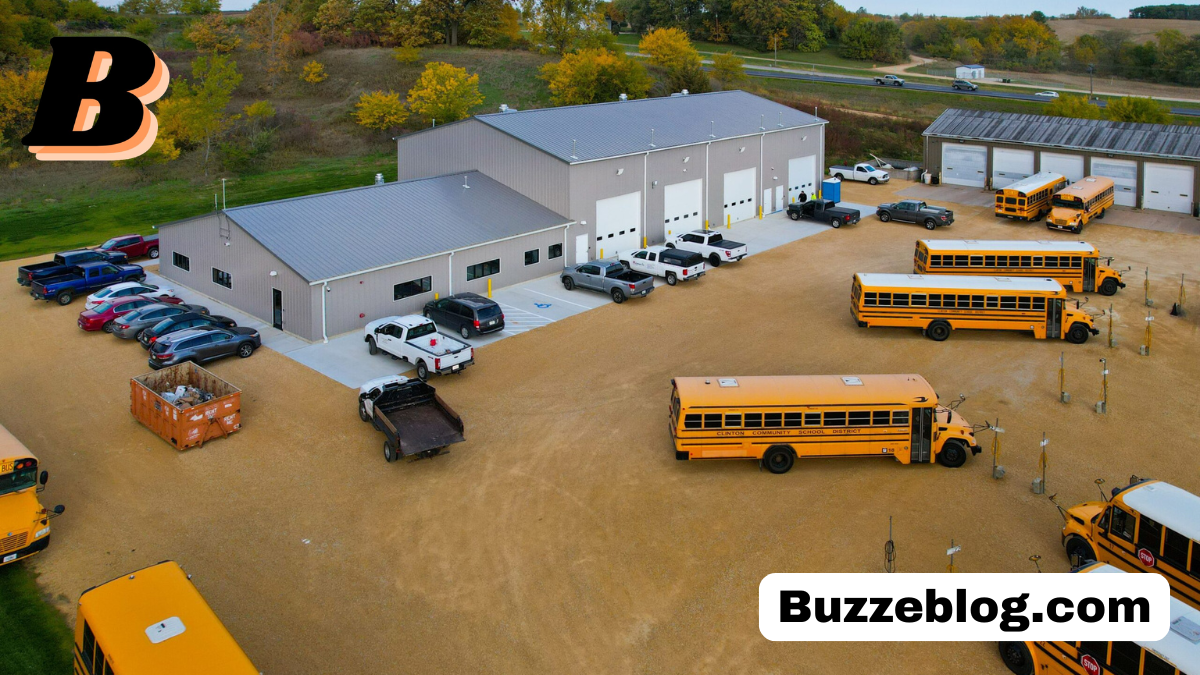
Introduction to the Concept of a Bus Barn
A bus barn is far more than a simple storage facility for buses. At its core, a bus barn is a dedicated structure or complex designed to house, maintain, fuel, inspect, and manage buses when they are not in service. The term might sound informal, but in transportation planning and infrastructure management, bus barns play a critical operational role. Whether serving a school district, a city transit authority, or a private transportation company, the bus barn is the heartbeat of daily fleet operations.
In everyday language, people sometimes imagine a literal barn-like structure, but modern bus barns are highly engineered facilities equipped with advanced safety systems, maintenance bays, fueling stations, administrative offices, and sometimes even training centers. The name originates from older times when buses were stored in large shed-style buildings similar to agricultural barns. Over time, the function evolved while the term remained.
Understanding what a bus barn truly represents requires looking beyond its walls. It is an operational hub where logistics, mechanical expertise, driver coordination, safety protocols, and infrastructure planning all come together. Without a properly managed bus barn, reliable transportation service simply cannot exist.
Historical Evolution of Bus Barn Facilities
The idea of storing transportation vehicles in a centralized facility dates back to the era of horse-drawn carriages. Early transit systems needed secure storage areas for vehicles and animals, and these structures often resembled barns. When motorized buses replaced carriages in the early twentieth century, many transit agencies adapted these same facilities for mechanical vehicles.
As urban transit systems expanded, bus barns evolved from basic shelters into specialized depots. The introduction of diesel engines required proper ventilation systems. The growth of fleets demanded organized parking layouts. Maintenance demands led to the addition of inspection pits and repair bays. What began as simple storage turned into fully integrated operational centers.
In the modern era, the transformation has accelerated. Today’s bus barns incorporate computerized maintenance tracking, electric charging stations for battery-powered buses, and environmentally controlled wash bays. The historical journey from wooden shed to high-tech transit depot reflects the broader development of transportation infrastructure worldwide.
Core Functions of a Bus Barn
The primary function of a bus barn is fleet storage. Buses require secure overnight parking to protect them from weather, vandalism, and unauthorized access. Indoor storage helps extend vehicle lifespan by reducing exposure to extreme temperatures and environmental wear. Even outdoor bus barns typically include secured lots with surveillance systems.
Maintenance is another essential function. Bus barns house repair facilities where mechanics perform inspections, oil changes, brake repairs, engine diagnostics, and structural assessments. Preventative maintenance schedules are usually managed from within the barn’s administrative offices to ensure each bus remains roadworthy and compliant with regulations.
Fueling and cleaning operations are also central to bus barn activity. Most facilities include dedicated fueling stations designed specifically for large vehicles. Wash bays help maintain hygiene and appearance standards, especially for school and public transit fleets. These operational processes ensure that buses leave the barn ready for safe and efficient service each day.
Design and Structural Considerations
Designing a bus barn requires careful planning and engineering expertise. The size of the fleet determines the footprint of the facility, while local climate conditions influence structural materials and insulation requirements. High ceilings are common to accommodate tall vehicles and maintenance lifts. Wide entry and exit points allow smooth traffic flow.
Ventilation is one of the most critical design elements. Diesel buses emit exhaust fumes that must be safely extracted from enclosed spaces. Modern facilities often use advanced air filtration systems and automated exhaust removal hoses connected directly to bus tailpipes. With the shift toward electric buses, ventilation demands may change, but battery charging infrastructure introduces new electrical planning challenges.
Safety design is equally important. Fire suppression systems, clearly marked pedestrian walkways, emergency exits, and proper lighting are all mandatory components. A well-designed bus barn balances operational efficiency with worker safety and environmental responsibility.
Operational Management Inside a Bus Barn
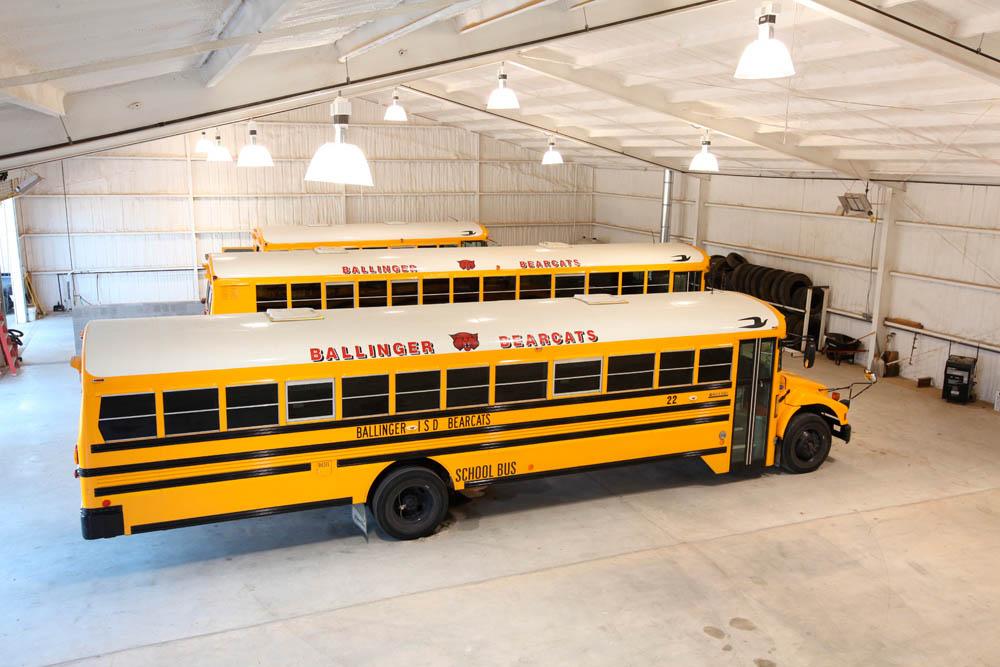
Behind the scenes, bus barn management is a complex coordination effort. Fleet managers track vehicle availability, maintenance schedules, and driver assignments. Dispatch teams coordinate departure times to ensure routes are covered without delays. The barn becomes active long before passengers board the buses.
Maintenance supervisors oversee inspection protocols. Every bus typically undergoes regular safety checks, and many jurisdictions mandate strict compliance standards. Digital management systems help record inspections and flag potential mechanical issues before they become serious problems.
Driver facilities are often integrated into the barn. Break rooms, training spaces, locker areas, and administrative offices provide operational support. A well-run bus barn operates like a finely tuned machine, with each department contributing to overall transportation reliability.
Bus Barns in School Transportation Systems
In school districts, the bus barn plays a particularly vital role. Student safety is paramount, and school buses must meet rigorous inspection and maintenance standards. The barn serves as a centralized location where mechanics, drivers, and administrators coordinate daily transportation for hundreds or even thousands of students.
Morning operations at a school bus barn are highly structured. Drivers check in, conduct pre-trip inspections, and receive route updates. Mechanics remain on standby to address last-minute mechanical concerns. Efficient workflow during these early hours ensures that children arrive at school on time.
School bus barns also support driver training programs. New drivers often undergo orientation sessions within the facility before taking responsibility for student routes. This integration of storage, maintenance, and training highlights how essential the bus barn is to the broader educational infrastructure.
Public Transit Bus Barns and Urban Mobility
City transit authorities depend heavily on strategically located bus barns. Urban transit fleets can number in the hundreds, requiring expansive depots capable of handling continuous operations. These facilities often operate nearly around the clock.
Urban bus barns include specialized dispatch centers that monitor routes in real time. Communication systems link drivers with central control rooms to address traffic delays, accidents, or mechanical concerns. The barn serves as the command center for maintaining schedule consistency across an entire city.
As cities adopt sustainable mobility strategies, transit bus barns are adapting to include electric charging stations and hybrid fueling infrastructure. The barn becomes not only a storage site but also a symbol of evolving public transportation technology.
Environmental and Sustainability Considerations
Modern bus barns increasingly reflect environmental awareness. Traditional diesel operations require careful management of fuel storage, waste oil disposal, and emissions control. Regulatory frameworks often require strict environmental compliance procedures within the facility.
With the rise of electric buses, sustainability considerations have shifted. Charging infrastructure must be carefully planned to avoid overloading local power grids. Some bus barns now incorporate solar panels, energy storage systems, and smart charging schedules to reduce environmental impact.
Water conservation is another factor. Bus wash systems can consume large quantities of water, so many facilities now use recycling systems that filter and reuse wash water. Sustainability initiatives within bus barns demonstrate how transportation infrastructure can evolve responsibly.
Safety and Regulatory Compliance
Safety standards govern every aspect of bus barn operation. Fire codes dictate spacing between vehicles, storage of flammable materials, and installation of suppression systems. Occupational safety regulations require protective equipment for mechanics and safe handling of heavy machinery.
Vehicle inspections are often subject to state or national transportation regulations. Documentation and compliance tracking systems ensure that buses meet legal standards before returning to service. Failure to maintain proper records can result in fines or operational shutdowns.
Security measures are also critical. Surveillance cameras, gated access, and controlled entry points protect both vehicles and staff. In school settings, additional security considerations help safeguard student transportation assets.
Economic Impact and Community Role
Bus barns contribute to local economies in meaningful ways. They create employment opportunities for mechanics, drivers, administrative staff, and facility managers. Construction of a new bus barn can stimulate local contracting and engineering industries.
Community impact extends beyond employment. Reliable bus service supports education, workforce mobility, and public access to essential services. The bus barn, while often overlooked, underpins these systems by ensuring operational continuity.
In some communities, the location of a bus barn becomes a topic of civic discussion. Residents may raise concerns about traffic flow, noise, or environmental impact. Transparent planning and communication are essential to balancing operational needs with neighborhood expectations.
The Future of Bus Barn Infrastructure
The future of bus barns is closely tied to transportation innovation. Autonomous vehicle technology may eventually influence fleet storage and monitoring systems. Advanced diagnostics powered by artificial intelligence could streamline maintenance operations.
Electric fleet expansion will reshape facility layouts. Charging stations require strategic placement, and energy management systems will become increasingly sophisticated. Bus barns may transform into energy hubs supporting broader municipal sustainability goals.
Digital integration is another emerging trend. Real-time tracking, predictive maintenance software, and automated scheduling platforms are redefining how bus barns function. What once was a simple storage facility is becoming a technologically advanced operations center.
Conclusion: Why Bus Barns Matter More Than Ever
A bus barn may not attract public attention, but it represents the foundation of reliable transportation systems. From historical roots in simple storage sheds to modern high-tech transit depots, bus barns have evolved alongside the vehicles they support.
Their importance extends beyond storage. They are centers of maintenance, safety, logistics, training, and community infrastructure. Whether serving a rural school district or a major metropolitan transit authority, the bus barn ensures that transportation systems operate smoothly and safely.
As transportation continues to evolve toward sustainability and automation, the bus barn will remain a critical piece of infrastructure. Its design and management will adapt, but its fundamental purpose—supporting reliable mobility—will remain unchanged.
FAQs
What is a bus barn?
A bus barn is a facility where buses are stored, maintained, fueled, and managed when not in service.
Why is a bus barn important for schools?
It ensures school buses are safely maintained, inspected, and ready to transport students reliably each day.
Do bus barns only store buses?
No, they also provide maintenance, fueling, cleaning, dispatch coordination, and administrative functions.
Are modern bus barns environmentally friendly?
Many modern bus barns include electric charging stations, water recycling systems, and energy-efficient infrastructure.
Who works inside a bus barn?
Mechanics, drivers, dispatchers, fleet managers, and administrative staff typically work within a bus barn facility.
Also read: Mourvèdre Grape: The Bold, Structured Star of Mediterranean Wines