

Introduction to Hashers
Hashers are part of a unique global subculture that blends running, social interaction, humor, and tradition into one unforgettable experience. Often referred to as “a drinking club with a running problem,” hashers form communities known as Hash House Harriers (HHH). These groups exist in cities across the world and follow trails laid out in advance, combining elements of cross-country running with scavenger hunting and social gatherings. The culture is deeply rooted in camaraderie, inclusivity, and a lighthearted approach to fitness and life.
At its core, hashing is not about competition or speed but about participation and enjoyment. Anyone can become a hasher, regardless of age, fitness level, or background. This open-door policy has helped hashing grow into a global phenomenon with thousands of active chapters. Each group maintains its own identity while still adhering to a shared set of traditions that make hashing recognizable anywhere in the world.
The term “hashers” refers to the individuals who participate in these events. These people often adopt humorous nicknames, follow quirky rituals, and embrace a sense of belonging that is hard to find in traditional sports or social clubs. Whether someone joins for fitness, friendship, or fun, hashing offers a unique lifestyle that goes beyond just running.
The Origins of Hashers and Hashing
The history of hashers dates back to 1938 in Kuala Lumpur, Malaysia. A group of British expatriates, looking for a way to stay fit while enjoying social interaction, created what would later become the Hash House Harriers. The idea was inspired by traditional British paper chase games, where participants followed trails marked with paper. These early hashers combined running with post-run socializing, often involving food and drinks.
Over time, the concept spread beyond Malaysia, particularly after World War II when British soldiers carried the tradition to other countries. As new chapters formed, each brought its own cultural influences, creating a diverse and ever-evolving global network. Despite these differences, the core spirit of hashing remained intact: fun, friendship, and a bit of mischief.
Today, hashing is practiced in over 180 countries, making it one of the most widespread informal running communities in the world. The history of hashers is not just about running; it is about building connections and creating traditions that stand the test of time. This rich heritage continues to attract new members who are curious about this unconventional yet welcoming community.
How Hashing Works
Hashing events, often called “runs” or “hashes,” follow a simple yet engaging format. One or more members, known as “hares,” lay out a trail using markers such as flour, chalk, or paper. The rest of the group, called “hounds,” follow the trail while trying to solve clues and avoid false paths. This adds an element of strategy and excitement to what might otherwise be a standard run.
The trail typically includes various markings that guide participants. For example, a check mark may indicate a point where runners must search for the correct path, while a cross might signal a wrong direction. These symbols create an interactive experience that keeps hashers engaged from start to finish. It is not uncommon for participants to get lost, which is all part of the fun.
At the end of the trail, hashers gather for a social segment known as the “circle.” This is where announcements are made, jokes are shared, and new members may receive nicknames. The circle often includes playful penalties or “down-downs,” where participants drink beverages as part of humorous rituals. This combination of physical activity and social bonding is what makes hashing so appealing.
The Culture and Traditions of Hashers
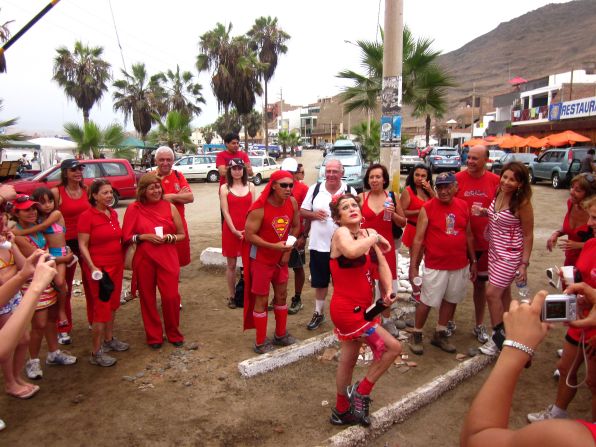
Hashing culture is unlike any other. It is built on humor, irreverence, and a strong sense of community. Hashers often use playful language, inside jokes, and traditions that may seem unusual to outsiders but are deeply meaningful to those involved. This culture helps create a welcoming environment where everyone feels like part of the group.
One of the most recognizable traditions is the use of nicknames. New members are often given names based on memorable events, personality traits, or funny incidents. These names become a badge of honor and are used instead of real names within the community. This practice helps break down social barriers and encourages a sense of equality among members.
Another key aspect of hashing culture is the emphasis on fun over competition. Unlike traditional running clubs, hashers are not concerned with speed or performance. Instead, they focus on enjoying the experience and building relationships. This relaxed approach makes hashing accessible to people of all fitness levels and backgrounds.
Types of Hashing Events
Hashing events come in many forms, each offering a unique experience. The most common type is the regular weekly or monthly run, where local hashers gather to follow a trail and socialize afterward. These events are usually organized by a single chapter and are open to both members and newcomers.
Special events, such as interhashes and regional gatherings, bring together hashers from different chapters and countries. These large-scale events can attract hundreds or even thousands of participants. They often include multiple runs, themed parties, and cultural activities, making them a highlight of the hashing calendar.
There are also themed hashes, such as costume runs, holiday events, and charity fundraisers. These variations add an extra layer of excitement and creativity to the experience. By offering a wide range of events, hashing ensures that there is always something new and interesting for participants to enjoy.
The Global Community of Hashers
One of the most remarkable aspects of hashing is its global reach. Hashers can travel to almost any major city and find a local chapter to join. This international network creates opportunities for cultural exchange and lifelong friendships. It is not uncommon for hashers to plan trips around attending events in different countries.
Each chapter maintains its own identity while still being part of the larger hashing community. This balance allows for diversity and creativity while preserving the core principles of hashing. Whether in a bustling city or a remote village, hashers share a common bond that transcends borders.
The global nature of hashing also fosters a sense of belonging. New members are often welcomed with open arms, regardless of where they come from. This inclusivity is one of the reasons why hashing continues to grow and thrive in different parts of the world.
Benefits of Being a Hasher
Being a hasher offers numerous benefits, both physical and social. On the physical side, hashing provides a fun and engaging way to stay active. The varied terrain and interactive nature of the trails make each run a unique workout. Participants can improve their fitness without the monotony of traditional exercise routines.
Socially, hashing is an excellent way to meet new people and build lasting friendships. The inclusive and relaxed environment encourages interaction and connection. Many hashers describe the community as a second family, where they feel supported and valued.
Mental well-being is another important benefit. The combination of physical activity, social interaction, and humor helps reduce stress and improve mood. Hashing provides an escape from daily routines and offers a chance to enjoy life in a more playful and carefree way.
Challenges and Misconceptions About Hashers
Despite its many positive aspects, hashing is sometimes misunderstood. One common misconception is that it is only about drinking. While socializing often involves beverages, the primary focus is on the running and the community experience. Many hashers participate without consuming alcohol, and inclusivity is a key principle.
Another challenge is the perception that hashing is unstructured or chaotic. In reality, each event follows a well-established format with clear guidelines. The apparent randomness is part of the fun, but there is a system behind it that ensures safety and organization.
Some people may also feel intimidated by the idea of joining a group with established traditions. However, most hashers are welcoming and eager to introduce newcomers to the culture. Overcoming these misconceptions can help more people discover the joys of hashing.
How to Join the Hashers Community
Joining the hashers community is relatively simple. Most chapters have online platforms where they announce upcoming events and provide details for newcomers. Interested individuals can attend a run, introduce themselves, and start participating right away.
There is usually a small fee to cover costs such as trail marking materials and refreshments. This fee varies by chapter but is generally affordable. Some groups also offer discounts for first-time participants to encourage new members.
New hashers are often guided by experienced members who help them understand the rules and traditions. This mentorship makes the transition into the community smooth and enjoyable. With an open mind and a sense of humor, anyone can become a hasher.
The Future of Hashers
The future of hashers looks bright as more people seek alternative ways to stay active and connect with others. The unique blend of fitness, fun, and community continues to attract new participants. As technology evolves, many chapters are also incorporating digital tools to organize events and التواصل with members.
Sustainability is becoming an important focus, with many groups adopting eco-friendly practices such as biodegradable trail markers. This ensures that hashing remains enjoyable while minimizing its impact on the environment.
The adaptability of hashing is one of its greatest strengths. By embracing change while preserving its core values, the community can continue to grow and thrive for generations to come.
FAQs
What are hashers?
Hashers are members of the Hash House Harriers, a global social running community.
Do you need to be a good runner to join hashers?
No, hashers welcome all fitness levels and focus on fun rather than speed.
Is hashing only about drinking?
No, it is mainly about running and socializing, and drinking is optional.
How often do hashers meet?
Most groups meet weekly or monthly depending on their schedule.
Can beginners join hashing events?
Yes, beginners are always welcome and guided by experienced members.
Do hashers exist worldwide?
Yes, there are hashing groups in over 180 countries.
What should I bring to a hash run?
Comfortable running shoes, water, and a sense of humor.
Is there an age limit for hashers?
No, people of all ages can participate.
How do hashers mark trails?
Trails are usually marked with flour, chalk, or paper symbols.
What happens after the run?
Participants gather for a social circle with announcements and fun activities.
Also read: Stage Pin: The Complete Expert Guide to Understanding, Using, and Mastering Stage Pin Connectors