
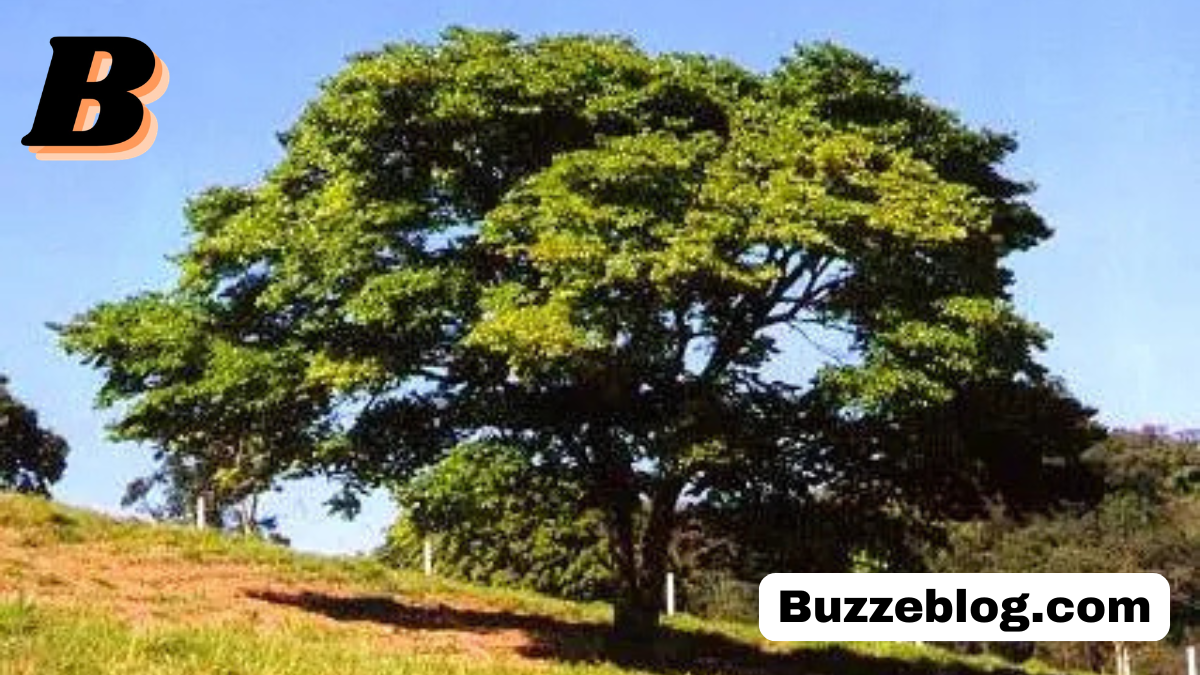
Introduction to Jatoba (Hymenaea courbaril)
Jatoba, scientifically known as Hymenaea courbaril, is one of the most fascinating and valuable hardwood trees found in tropical regions of the Americas. Often referred to as Brazilian Cherry, this tree is admired for its durability, beauty, and wide range of uses. From flooring and furniture to traditional medicine and even food, jatoba plays an important role in both modern industries and ancient cultures.
The tree is native to Central and South America, including countries like Brazil, Peru, and parts of the Caribbean. It thrives in warm climates and is commonly found in rainforests, where it grows tall and strong. Its wood is known for its rich reddish-brown color, which darkens over time, making it highly desirable for premium woodworking projects.
In this detailed guide, we will explore everything you need to know about jatoba. From its physical characteristics and habitat to its uses, benefits, and maintenance, this article will provide a complete understanding of why Hymenaea courbaril continues to be one of the most respected hardwood species in the world.
Botanical Characteristics of Hymenaea courbaril
Hymenaea courbaril is a large, slow-growing tree that can reach heights of up to 30 to 40 meters. Its trunk is typically straight and thick, often covered in rough, grayish bark. The canopy spreads wide, providing shade and supporting a rich ecosystem of plants and animals.
The leaves of the jatoba tree are compound and consist of two leaflets, giving them a unique symmetrical appearance. These leaves are thick, glossy, and dark green, helping the tree retain moisture in tropical climates. During certain seasons, the tree produces small white or cream-colored flowers that are highly fragrant and attract pollinators such as bees.
One of the most distinctive features of Hymenaea courbaril is its fruit. The tree produces large, woody pods that contain a dry, powdery pulp along with several seeds. This pulp is edible and has been used traditionally as a food source. The fruit also plays an important role in local ecosystems, providing nutrition for wildlife.
Natural Habitat and Geographic Distribution
Jatoba trees are widely distributed across tropical regions of the Americas. They are commonly found in countries like Brazil, Bolivia, Peru, Colombia, and parts of Central America. In addition, they grow in some Caribbean islands, where they are often referred to as West Indian locust.
These trees prefer well-drained soils and are commonly found in rainforests, savannas, and even dry forests. Their adaptability allows them to survive in a variety of environmental conditions, although they thrive best in areas with high humidity and consistent rainfall.
The natural habitat of Hymenaea courbaril plays a significant role in its growth and development. In dense forests, the tree competes for sunlight, which contributes to its tall and straight growth pattern. In more open areas, it may develop a broader canopy, providing shade and supporting biodiversity.
Physical Properties of Jatoba Wood
Jatoba wood is known for its exceptional strength and durability. It is considered one of the hardest hardwoods available, making it highly resistant to wear and tear. This makes it an ideal choice for applications that require long-lasting materials, such as flooring and heavy furniture.
The wood has a dense structure, which contributes to its high resistance to impact and moisture. It is also resistant to insects and decay, although proper treatment can further enhance its longevity. These qualities make jatoba a preferred material for both indoor and outdoor projects.
In terms of appearance, jatoba wood features a rich reddish-brown color with darker streaks. Over time, exposure to light causes the wood to darken, enhancing its natural beauty. The grain is typically interlocked, which can make it challenging to work with, but also adds to its unique aesthetic appeal.
Common Uses of Hymenaea courbaril
Jatoba wood is widely used in the construction and woodworking industries due to its strength and beauty. One of its most popular applications is in flooring, where its hardness ensures long-lasting performance even in high-traffic areas. It is also used for making furniture, cabinetry, and decorative items.
In addition to its use as a building material, jatoba has several other applications. The tree produces a resin known as copal, which has been used historically for making varnishes, incense, and even traditional medicines. This resin is valued for its aromatic properties and versatility.
The fruit of the jatoba tree is also used in various ways. The powdery pulp inside the pods can be consumed directly or used to make beverages and baked goods. In some cultures, it is considered a nutritious food source rich in fiber and natural sugars.
Benefits of Jatoba Wood
One of the main benefits of jatoba wood is its durability. Its hardness makes it resistant to scratches, dents, and other forms of damage, ensuring that products made from it last for many years. This makes it a cost-effective choice in the long run, despite its higher initial price.
Another advantage of Hymenaea courbaril is its aesthetic appeal. The rich color and unique grain patterns make it a popular choice for high-end interior designs. Whether used in flooring or furniture, jatoba adds a touch of elegance and sophistication to any space.
Jatoba is also relatively low-maintenance compared to other hardwoods. With proper care, it can retain its beauty and functionality for decades. Its resistance to pests and decay further adds to its value, making it a reliable material for various applications.
Challenges and Drawbacks
Despite its many advantages, jatoba wood does have some challenges. One of the main issues is its hardness, which can make it difficult to cut and shape. Specialized tools and techniques are often required to work with this material effectively.
Another drawback is its weight. Jatoba is a very dense wood, which can make transportation and installation more challenging. This can increase the overall cost of projects that use this material.
Additionally, the color of jatoba wood can change over time. While many people appreciate the deepening of its reddish tones, others may find it less desirable. Proper finishing and maintenance can help manage these changes, but it is something to consider when choosing this wood.
Jatoba in Traditional Medicine
Hymenaea courbaril has been used in traditional medicine for centuries. Various parts of the tree, including its bark, leaves, and resin, are believed to have medicinal properties. Indigenous communities have used these components to treat a variety of ailments.
The resin, in particular, is known for its antimicrobial and anti-inflammatory properties. It has been used to treat wounds, respiratory issues, and digestive problems. The bark and leaves are also used in herbal remedies, often prepared as teas or extracts.
While these traditional uses are well-documented, it is important to approach them with caution. Modern scientific research is still ongoing, and more studies are needed to fully understand the medicinal benefits of jatoba.
Environmental Impact and Sustainability
The harvesting of jatoba wood raises important environmental considerations. As a tropical hardwood, it is often sourced from natural forests, which can lead to deforestation if not managed responsibly. Sustainable forestry practices are essential to ensure the long-term availability of this resource.
Many suppliers now offer certified jatoba wood, which is harvested in accordance with environmental standards. These certifications help protect ecosystems and support responsible management of forest resources. Choosing certified products is an important step for consumers who want to make environmentally conscious decisions.
In addition to sustainable harvesting, reforestation efforts play a key role in maintaining the balance of ecosystems. Planting new trees and protecting existing forests are crucial for preserving biodiversity and ensuring the continued availability of jatoba.
How to Maintain Jatoba Wood Products
Proper maintenance is essential to keep jatoba wood products in good condition. Regular cleaning with a soft cloth or mop can help remove dust and debris. It is important to avoid excessive moisture, as it can damage the wood over time.
Using appropriate finishes and sealants can protect the wood from wear and environmental factors. These treatments enhance the natural beauty of jatoba while providing an additional layer of protection. Periodic reapplication may be necessary to maintain effectiveness.
For flooring, using rugs and furniture pads can help prevent scratches and dents. Avoid dragging heavy objects across the surface, as this can cause damage. With proper care, jatoba wood products can remain beautiful and functional for many years.
Comparison with Other Hardwoods
When compared to other hardwoods, jatoba stands out for its exceptional hardness and durability. It is often compared to species like oak, maple, and teak. While each of these woods has its own strengths, jatoba is particularly known for its resistance to wear.
In terms of appearance, jatoba offers a unique color that sets it apart from lighter woods like maple or oak. Its deep reddish tones provide a warm and rich look that is highly valued in interior design.
However, jatoba may not be suitable for every application. Its hardness and weight can make it more difficult to work with, and its color may not match all design preferences. Understanding these differences can help you choose the right material for your needs.
Economic Importance of Hymenaea courbaril
Jatoba plays a significant role in the economies of many tropical countries. Its wood is exported worldwide, contributing to the forestry industry and providing income for local communities. The demand for high-quality hardwoods ensures that jatoba remains a valuable resource.
In addition to timber, other products derived from the tree, such as resin and fruit, also contribute to its economic value. These products are used in various industries, including food, medicine, and manufacturing.
Sustainable management of jatoba resources is essential to maintain its economic benefits. By balancing demand with conservation efforts, it is possible to support both economic growth and environmental protection.
Future of Jatoba Wood
The future of jatoba wood depends on responsible management and sustainable practices. As demand for hardwood continues to grow, it is important to ensure that resources are used wisely. This includes promoting certified products and supporting reforestation efforts.
Advancements in technology may also play a role in the future of jatoba. Improved processing techniques can make it easier to work with this hard material, while new treatments can enhance its durability and appearance.
With proper care and management, Hymenaea courbaril will continue to be a valuable resource for generations to come. Its unique properties and wide range of uses ensure that it remains an important part of the global timber industry.
Conclusion
Jatoba, or Hymenaea courbaril, is a remarkable tree that offers a wide range of benefits. From its strong and durable wood to its traditional medicinal uses, it has proven its value in many different ways. Its beauty and resilience make it a popular choice for various applications, especially in construction and design.
However, it is important to consider the environmental impact of using jatoba. Sustainable practices and responsible sourcing are essential to protect natural ecosystems and ensure the long-term availability of this resource.
By understanding the characteristics, uses, and challenges of jatoba, you can make informed decisions about its use. Whether you are a woodworker, designer, or simply someone interested in natural materials, Hymenaea courbaril is a fascinating subject worth exploring.
FAQs
What is jatoba wood commonly used for?
It is mainly used for flooring, furniture, and construction due to its durability.
Is Hymenaea courbaril the same as Brazilian Cherry?
Yes, jatoba is commonly known as Brazilian Cherry.
Is jatoba wood expensive?
Yes, it is considered a premium hardwood and can be costly.
Can jatoba wood be used outdoors?
Yes, but it requires proper treatment and maintenance.
Is jatoba environmentally sustainable?
It can be sustainable if sourced from certified and responsibly managed forests.
What color is jatoba wood?
It has a reddish-brown color that darkens over time.
Is jatoba wood hard to work with?
Yes, its hardness makes it challenging to cut and shape.
Does jatoba wood require maintenance?
Yes, regular cleaning and sealing help maintain its quality.
Is jatoba fruit edible?
Yes, the pulp inside its pods is edible and nutritious.
Where does Hymenaea courbaril grow?
It grows in tropical regions of Central and South America.
Also read: Pua Kenikeni: A Complete Guide to This Unique Plant