
KC Athletics: Complete History, Legacy & Impact Guide (2026)The Origins and Historical Roots of Kansas City Athletics
When people talk about KC athletics in a historical sense, they are usually referring to the era when Major League Baseball arrived in Kansas City, Missouri under the banner of the Kansas City Athletics. The franchise originally began as the Philadelphia Athletics before relocating in 1955. That move marked a turning point not just for the team but for the city itself, which had long desired a stronger presence in professional sports. The arrival of the Athletics brought national attention, media coverage, and a renewed sense of civic pride.
The mid-1950s were a fascinating period in American sports history. Baseball was still considered the undisputed king of professional athletics, and the movement of franchises was reshaping the national sports landscape. Kansas City was seen as a promising market, strategically located and deeply passionate about baseball. The transition from Philadelphia to Kansas City was both a business decision and a cultural experiment, testing whether the Midwest could sustain top-tier professional competition.
Although the team struggled competitively during many of its Kansas City years, the legacy of that era remains significant. The club laid foundational groundwork for future professional sports development in the region. More importantly, it proved that Kansas City could support major league athletics, paving the way for future franchises and long-term investment in sports infrastructure.
Ownership, Leadership, and Organizational Identity
One of the most influential figures in the history of KC athletics was Charles O. Finley. His ownership style was unconventional, bold, and sometimes controversial. Finley believed in aggressive marketing strategies and innovative promotions, which helped shape modern sports entertainment. While not all of his decisions were popular, his impact on the franchise and the broader baseball world cannot be ignored.
Finley’s tenure was marked by both instability and creativity. He experimented with uniforms, team branding, and promotional nights long before such strategies became common practice. His approach demonstrated that athletics was not just about performance on the field but also about entertainment value and business growth. These marketing insights would later become central to how sports franchises operate globally.
Leadership transitions also affected team performance and morale. Frequent changes in management and coaching staff sometimes disrupted continuity. However, these shifts also reflected the evolving business side of professional sports, where financial strategy and public perception increasingly influenced athletic decisions.
Competitive Performance and On-Field Challenges
From a competitive standpoint, the Kansas City Athletics faced significant hurdles. Competing against established teams with stronger financial backing was never easy. The American League during that era included powerhouse franchises, and Kansas City often found itself rebuilding rather than contending.
Despite these challenges, the team produced notable players who left lasting impressions on fans. Individual talent sometimes shone even when team results did not. These athletes represented hope and resilience, reinforcing the idea that KC athletics was about perseverance as much as victory.
Performance struggles also sparked important discussions about player development and farm systems. Investing in scouting and youth training became increasingly important. Even though championships eluded the Kansas City Athletics during this era, lessons learned about organizational structure and talent cultivation would benefit future franchises.
Transition to the West Coast and Broader Impact
In 1968, the franchise relocated again, eventually becoming the Oakland Athletics. This move closed a chapter in Kansas City’s sports history but did not diminish the city’s athletic ambitions. Instead, it fueled a renewed determination to secure long-term sports stability.
The relocation highlighted broader trends in professional sports economics. Teams were increasingly influenced by stadium deals, market size, and revenue projections. Kansas City’s experience reflected the reality that professional athletics is deeply intertwined with business considerations.
Even after the team left, the identity of KC athletics remained strong. The city continued to pursue major league opportunities, ultimately leading to new franchises and improved infrastructure. The lessons learned from the Athletics era shaped negotiations, investment strategies, and community engagement moving forward.
The Broader Meaning of KC Athletics Beyond Baseball
Today, KC athletics represents far more than a single baseball franchise. It encompasses the entire sports ecosystem within Kansas City, including football, soccer, collegiate sports, and youth development programs. The city has built a reputation for passionate fan bases and modern facilities.
Athletics in Kansas City reflects community identity. From youth leagues to professional stadiums, sports play a central role in social life. They create gathering spaces, shared rituals, and generational traditions. This collective engagement strengthens civic pride and economic vitality.
Additionally, Kansas City has positioned itself as a hub for regional tournaments and collegiate competitions. Investments in training facilities and event hosting have expanded the city’s athletic footprint. The growth of KC athletics demonstrates how sports can serve as both cultural expression and economic driver.
Economic Influence and Urban Development
The presence of professional and collegiate sports significantly impacts urban development. Stadium construction, surrounding retail spaces, and transportation upgrades all stem from athletic investment. In Kansas City, sports facilities have often been catalysts for neighborhood revitalization.
Major sporting events generate tourism revenue and media exposure. Hotels, restaurants, and local businesses benefit from visiting fans. The ripple effect extends beyond game day, contributing to job creation and long-term city branding.
Urban planners increasingly recognize athletics as a strategic development tool. Kansas City’s experience illustrates how thoughtful investment in sports infrastructure can support broader economic objectives while preserving community character.
Youth Development and Grassroots Programs
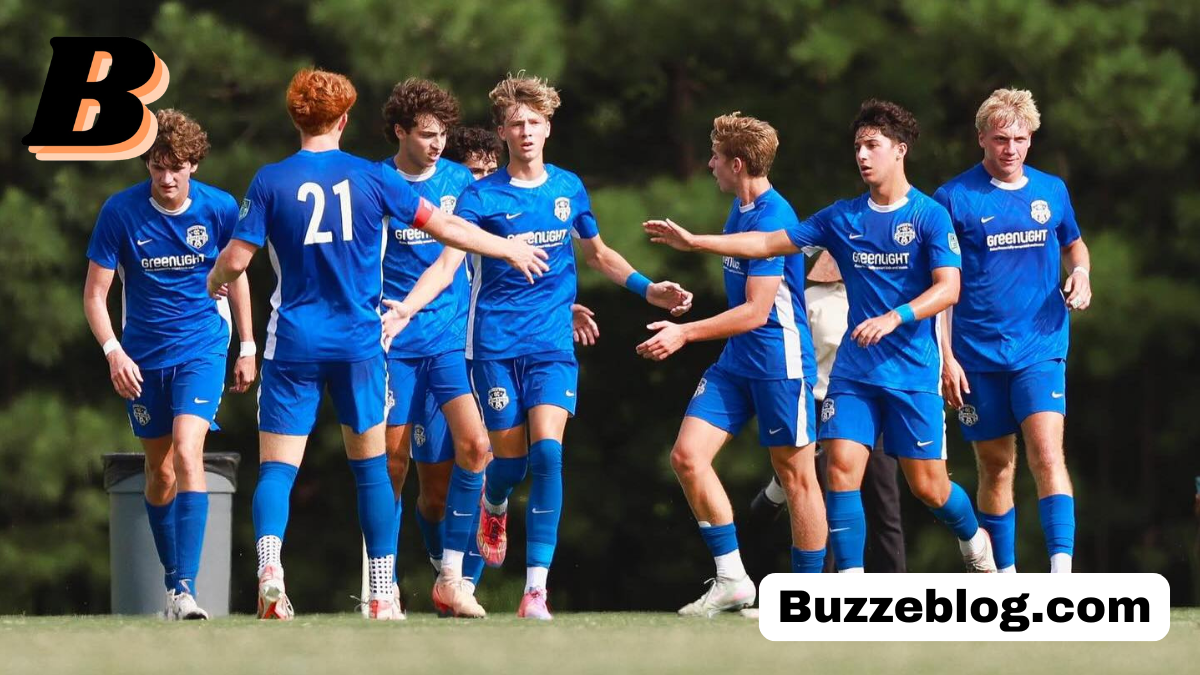
An essential aspect of KC athletics lies in youth engagement. Community leagues, high school competitions, and recreational programs provide pathways for young athletes to develop skills and discipline. These grassroots initiatives often serve as the foundation for future collegiate and professional careers.
Youth athletics also contribute to personal growth beyond physical ability. Participation fosters teamwork, resilience, and leadership. Kansas City’s commitment to accessible sports programming ensures that children from diverse backgrounds have opportunities to compete and grow.
Local partnerships between schools, nonprofits, and professional organizations further strengthen development pipelines. These collaborations demonstrate how athletics can unify communities while promoting healthy lifestyles and positive mentorship.
Cultural Identity and Fan Loyalty
KC athletics is deeply intertwined with fan culture. Supporters are known for loyalty, enthusiasm, and resilience. Even during challenging seasons, attendance and community support remain strong. This loyalty reflects the emotional bond between city and team.
Sporting events function as communal celebrations. Tailgating traditions, local rivalries, and championship aspirations create shared experiences that transcend demographics. In Kansas City, sports serve as a common language that bridges social and cultural divides.
The emotional investment of fans also influences franchise stability. Strong community backing strengthens negotiating positions for stadium improvements and league expansion opportunities. KC athletics thrives in part because its supporters remain engaged year after year.
Media, Branding, and Modern Expansion
In the modern era, KC athletics benefits from digital media and global branding strategies. Social media engagement, streaming services, and merchandise sales extend the city’s athletic reach far beyond regional borders.
Brand identity plays a crucial role in sustaining long-term interest. Logos, color schemes, and historical storytelling contribute to a recognizable and marketable image. Kansas City franchises have embraced both tradition and innovation in shaping their public personas.
Expansion efforts continue to shape the city’s athletic trajectory. Whether through hosting international events or expanding youth academies, KC athletics remains forward-looking. Strategic planning ensures that sports remain central to the city’s identity and growth.
Lessons from History and the Path Forward
The history of KC athletics demonstrates resilience, adaptation, and ambition. From the early days of the Kansas City Athletics to the broader multi-sport ecosystem of today, the city has consistently evolved.
Understanding past challenges helps guide future decisions. Ownership structures, facility investments, and community engagement strategies are informed by historical lessons. Kansas City’s experience underscores the importance of balancing financial realities with cultural values.
Looking ahead, KC athletics appears poised for continued expansion. Ongoing investment in infrastructure, youth programs, and fan engagement suggests a sustainable model. The city’s deep-rooted passion for sports ensures that athletics will remain a defining feature of its identity for generations to come.
FAQs
What were the Kansas City Athletics known for?
They were known for bringing Major League Baseball to Kansas City from 1955 to 1967.
Why did the team leave Kansas City?
The franchise relocated due to financial and market considerations that favored a move to California.
Who owned the team during its Kansas City years?
Charles O. Finley was the most prominent owner during that period.
What does KC athletics mean today?
It broadly represents the city’s entire sports culture, including professional, collegiate, and youth athletics.
Also read: Mountains in Chile: A Complete Expert Guide to the Majestic Spine of South America