
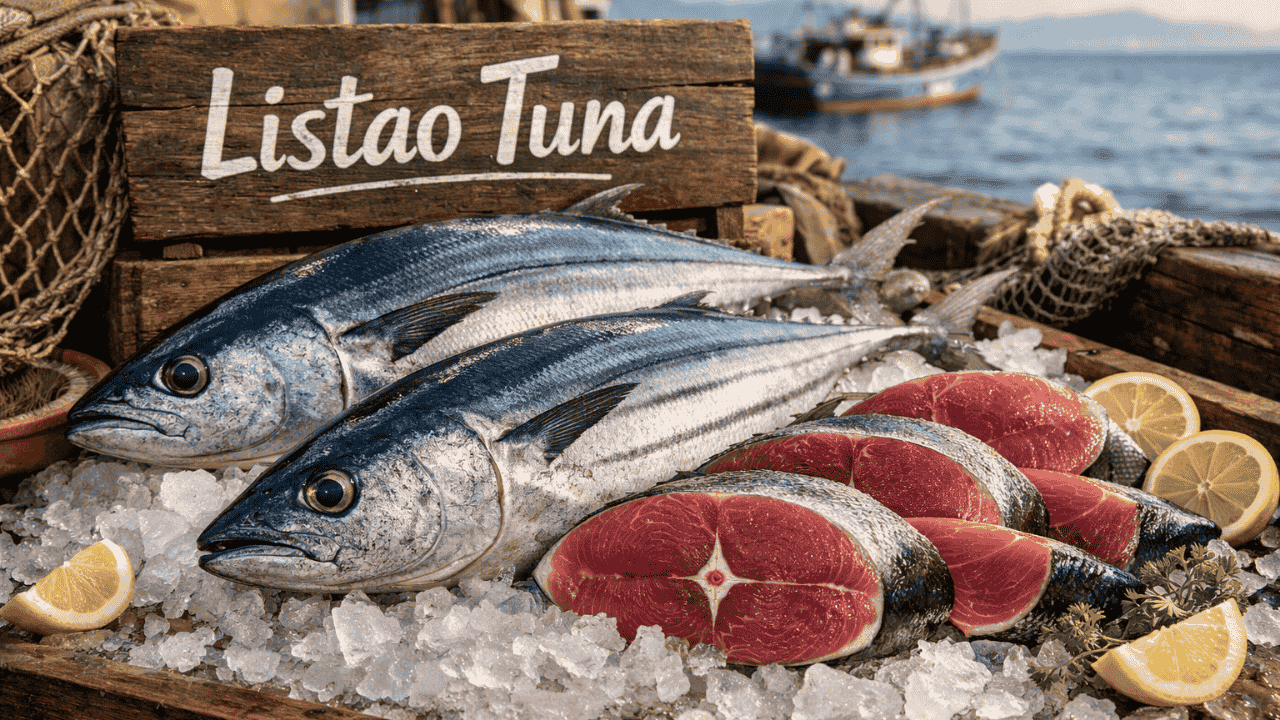
Understanding Listao Tuna and Its Identity
Listao tuna is the common name used in several European and Latin regions for what the scientific community identifies as Katsuwonus pelamis, more widely known in English as skipjack tuna. This species is one of the most commercially important fish in the world, forming the backbone of the global canned tuna industry. When people talk about everyday tuna on supermarket shelves, chances are high they are eating listao tuna.
What makes listao tuna so significant is not just its abundance but also its adaptability. It thrives in tropical and subtropical oceans across the globe, making it one of the most widely distributed tuna species. From the Atlantic to the Pacific and Indian Oceans, listao tuna forms massive schools that migrate continuously in search of food and optimal water temperatures.
Unlike larger tuna species such as bluefin, listao tuna grows relatively quickly and has a shorter life cycle. This biological trait contributes to its resilience against fishing pressure when properly managed. Its striped belly pattern and streamlined body give it a distinctive appearance, and its energetic swimming style makes it a fascinating species for marine biologists and fishermen alike.
Biological Characteristics of Listao Tuna
Listao tuna is easily recognized by the dark purplish-blue back and silver belly marked with four to six horizontal stripes. These stripes are one of the key features that differentiate it from other tuna species. Its body is torpedo-shaped, built for speed and endurance in open ocean environments.
On average, listao tuna can reach lengths of around 80 centimeters, although most commercially caught individuals are smaller. They typically weigh between 3 to 5 kilograms, though larger specimens can exceed this range. Compared to other tuna species, listao matures quickly, often reaching reproductive age within one year.
This species is highly migratory and prefers warm waters, usually above 20 degrees Celsius. It feeds primarily on smaller fish, crustaceans, and cephalopods. Its feeding habits are opportunistic, meaning it adapts based on availability. This flexibility in diet contributes to its survival success across diverse marine ecosystems.
Global Distribution and Habitat
Listao tuna inhabits tropical and subtropical waters worldwide. It is especially abundant in equatorial regions where ocean currents bring nutrient-rich waters to the surface. These nutrient upwellings create ideal feeding conditions for plankton and small fish, which in turn attract tuna schools.
In the Atlantic Ocean, listao tuna is frequently caught off the coasts of West Africa and in the western Atlantic near Central and South America. In the Pacific, it dominates fisheries in Southeast Asia and around island nations. The Indian Ocean also supports a significant share of global listao tuna catches.
Unlike some other tuna species that dive deep for extended periods, listao tuna generally occupies surface and near-surface waters. It often associates with floating objects, including natural debris and man-made fish aggregating devices. This behavior is widely used by commercial fisheries to increase catch efficiency.
Commercial Importance and Fishing Industry
Listao tuna is the backbone of the canned tuna market. Because it is abundant and relatively fast-growing, it is considered more sustainable than some larger tuna species when fisheries are responsibly managed. It accounts for a major percentage of the global tuna catch each year.
The primary fishing methods for listao tuna include purse seine nets and pole-and-line fishing. Purse seining involves surrounding an entire school with a large net, while pole-and-line fishing is a more traditional and selective method that reduces bycatch. Many sustainability advocates favor pole-and-line methods due to their lower environmental impact.
Major tuna-producing countries include Indonesia, the Philippines, Ecuador, and Spain. These countries rely heavily on listao tuna exports for economic stability. The fish is processed into canned products, frozen loins, and other seafood preparations, making it accessible to consumers worldwide.
Nutritional Value of Listao Tuna
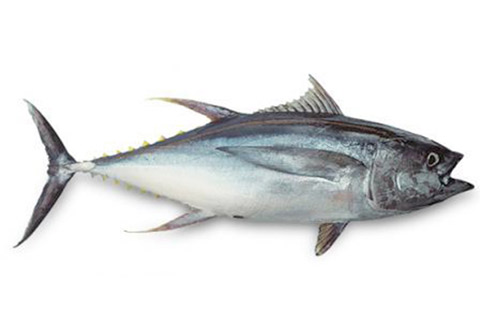
Listao tuna is not only economically important but also nutritionally valuable. It is rich in high-quality protein, making it an excellent choice for muscle development and general body maintenance. A single serving provides essential amino acids necessary for overall health.
This species is also a source of omega-3 fatty acids, which are known to support heart health, reduce inflammation, and contribute to brain function. Compared to larger tuna species, listao typically contains lower mercury levels, making it a safer option for regular consumption when eaten in moderation.
Additionally, listao tuna provides important vitamins and minerals such as vitamin D, vitamin B12, selenium, and iodine. These nutrients play vital roles in immune support, bone health, and thyroid function. Its balanced nutritional profile makes it a staple in many healthy diets around the world.
Culinary Uses and Flavor Profile
Listao tuna has a stronger, more pronounced flavor compared to albacore tuna. Its flesh is darker and firmer, which gives it a distinctive taste that stands out in recipes. This bold flavor makes it ideal for savory dishes where robust seafood notes are desired.
In Mediterranean cuisine, listao tuna is commonly used in salads, pasta dishes, and sandwiches. In Asian cuisine, it may be incorporated into grilled preparations or mixed with rice-based dishes. While it is less commonly served raw compared to species like yellowfin, it can still be used in certain sashimi preparations when extremely fresh.
Canned listao tuna remains the most popular form of consumption. It is available in water, oil, or flavored varieties. Its versatility allows it to be used in everything from simple lunchtime meals to more elaborate dinner recipes.
Sustainability and Environmental Concerns
Sustainability is a major topic in the tuna industry, and listao tuna often stands out as one of the more sustainable options. Due to its high reproductive rate and fast growth, populations can recover more quickly than slower-growing tuna species.
However, sustainability depends heavily on fishing practices. The use of fish aggregating devices can sometimes lead to bycatch of other marine species, including sharks and juvenile tuna. Responsible fisheries management and certification programs aim to reduce these impacts.
Organizations around the world monitor tuna stocks and implement quotas to ensure long-term viability. Consumers can contribute by choosing products labeled with sustainability certifications. Responsible purchasing decisions help encourage environmentally friendly fishing practices.
Economic Impact and Global Trade
The global trade of listao tuna generates billions of dollars annually. Coastal communities in developing nations depend on tuna fisheries for employment and economic growth. Processing plants, shipping operations, and retail markets all benefit from the steady demand.
Export markets in Europe and North America represent significant revenue streams. The affordability of listao tuna compared to other seafood options makes it highly competitive in global markets. Its long shelf life in canned form further enhances its commercial appeal.
Economic stability in many island nations is closely tied to tuna fishing agreements. These agreements allow foreign fleets to operate within exclusive economic zones, providing essential government revenue through licensing fees.
Health Considerations and Consumption Guidelines
Although listao tuna is generally considered safe and nutritious, moderation is important. Even though mercury levels are typically lower than in larger tuna species, regular excessive consumption is not recommended.
Health authorities often suggest limiting tuna intake for pregnant women and young children to reduce potential mercury exposure. For most adults, moderate consumption as part of a balanced diet is considered safe and beneficial.
Choosing tuna packed in water instead of oil can reduce calorie intake. However, oil-packed varieties may contain additional flavor and certain fat-soluble nutrients. Consumers should select products based on their dietary goals and health needs.
Future of Listao Tuna in a Changing World
Climate change presents new challenges for marine species, including listao tuna. Rising ocean temperatures may shift migration patterns and alter distribution ranges. These changes could affect fishing zones and international agreements.
Technological advancements in fishing gear and monitoring systems may improve sustainability efforts. Satellite tracking, improved stock assessments, and stricter regulations can support responsible harvesting.
As global seafood demand continues to rise, listao tuna will likely remain a critical species in feeding the world. Its biological resilience and commercial adaptability position it as a key player in the future of sustainable fisheries.
FAQs
What is listao tuna?
Listao tuna is another name for skipjack tuna, a widely consumed and commercially important tuna species.
Is listao tuna healthy?
Yes, it is rich in protein and omega-3 fatty acids while generally lower in mercury than larger tuna species.
Where is listao tuna found?
It lives in tropical and subtropical oceans worldwide, especially in warm surface waters.
Is listao tuna sustainable?
When managed properly with responsible fishing methods, it is considered one of the more sustainable tuna species.
How is listao tuna commonly eaten?
It is most commonly consumed in canned form but can also be used in various cooked dishes.