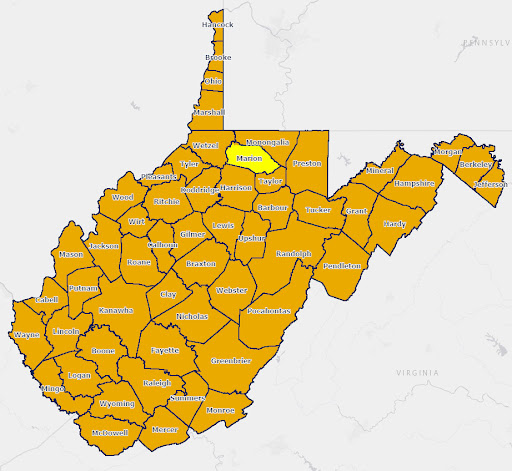
Marion may not immediately appear on everyone’s radar, but within West Virginia’s rich Appalachian landscape, it holds a significant place. While some may think of it as a town, what people often refer to is Marion County, located in the north-central region of the state. It embodies a fascinating mix of frontier history, industrial growth, and modern resilience. Understanding Marion County gives insight into how Appalachian communities evolved, adapted, and sustained themselves over generations.
Marion County stands as a microcosm of West Virginia itself: rugged, resilient, and proud of its history. From early settlers carving homes out of dense forests to the rise of coal and rail industries, the county’s story is woven from the experiences of its people. Today, Marion reflects a mix of historical pride, community cohesion, and ongoing efforts to embrace new economic opportunities while preserving its heritage.
Origins and Early Settlement

Marion County’s story begins long before West Virginia became its own state. In the late 18th century, settlers arrived in what was then part of Virginia, drawn by fertile valleys, forests, and river access. Early pioneers, facing the challenges of a frontier landscape, built homes, small forts, and farms. They endured harsh winters, wild terrain, and conflicts with Native American tribes defending their lands. Their perseverance laid the foundation for future communities.
The settlement that would become the county seat, Fairmont, started as Middletown and later Palatine. This small river town was strategically located at the convergence of the West Fork and Tygart Valley River, making it a natural hub for trade and travel. By 1843, Middletown and Palatine merged and were renamed Fairmont, a nod to the scenic hills surrounding the area. The town became the cultural and economic anchor for the county, growing as settlers brought skills, trade, and vision to the region.
Marion County itself was formally established in 1842, carved from portions of Harrison and Monongalia counties. It was named after General Francis Marion, a Revolutionary War hero known as the “Swamp Fox” for his guerrilla tactics against the British. This name reflected a desire to honor courage, ingenuity, and resilience — values that would come to define the county.
Growth Through the 19th Century
The arrival of the railroad in the 1850s transformed Marion County. The Baltimore & Ohio Railroad connected the region to broader markets, bringing goods, people, and economic opportunities. Fairmont and surrounding towns became transportation hubs, fostering growth and attracting industries. This infrastructure also had a strategic role during the Civil War era, as West Virginia broke from Virginia in 1863. Marion County, positioned along key rail lines, experienced political and logistical shifts during this tumultuous period.
Industrial development in the late 19th century changed the county’s identity. Coal, oil, and natural gas discoveries fueled rapid expansion, bringing workers, businesses, and families. Towns grew around mines and wells, with communities like Monongah, Mannington, and Barrackville emerging alongside Fairmont. This period also saw tragedies that shaped local and national policy, such as mining disasters that claimed hundreds of lives, underscoring the dangers of early industrial labor while prompting reforms in safety standards.
Population growth during this era was remarkable. From the 1860s to the early 1900s, the county expanded rapidly, attracting workers from various backgrounds. The mix of cultures and traditions helped form a distinct local identity, combining Appalachian roots with immigrant influences from European settlers who came seeking opportunity in the mines and factories.
Life During the Industrial Era
The early 20th century marked the height of industrial influence in Marion County. Coal mining and oil extraction dominated the economy, creating wealth but also introducing significant challenges. Grand homes and elegant streets in Fairmont reflected prosperity, while mining towns grew quickly to accommodate laborers. Families who invested in the region became local leaders, contributing to civic life, education, and business.
The county’s population reached its peak mid-century, with towns bustling with activity. However, industrial life was tough. Miners faced dangerous conditions, long hours, and low pay. Disasters such as the Monongah Mine tragedy became defining moments, leaving lasting marks on the community. These events, while tragic, fostered a strong sense of solidarity among residents who relied on each other for support and survival.
As industrial jobs began to decline after World War II, Marion County faced economic transitions. Mechanization reduced the need for labor, while other sectors were slow to emerge. Despite this, the community’s deep-rooted resilience helped it navigate challenges, maintaining essential services and a sense of local pride.
Modern Economy and Daily Life
Today, Marion County blends its industrial legacy with modern realities. Coal and manufacturing are no longer the economic mainstays, replaced by healthcare, education, retail, and service industries. Fairmont State University and local healthcare providers are major employers, providing stability and professional opportunities for residents. Small businesses also contribute to a dynamic local economy, fostering entrepreneurship and innovation in both traditional and modern sectors.
Fairmont, the county seat, serves as the social and cultural heart of the county. Its neighborhoods reflect historic architecture and community planning, while efforts at urban revitalization aim to modernize downtown areas, attract new businesses, and maintain local charm. Residents value both affordability and quality of life, with access to parks, cultural events, and local festivals enhancing the sense of community.
The region’s cost of living is lower than national averages, which attracts families and retirees seeking a quieter, community-oriented lifestyle. While economic challenges remain, locals take pride in their county’s resilience, heritage, and natural beauty, viewing these factors as assets that ensure Marion remains a meaningful place to live.
Education and Cultural Institutions
Education is a cornerstone of Marion County’s identity. Fairmont State University, founded in 1865, provides higher education opportunities for students throughout West Virginia and beyond. It plays a central role in community life, offering cultural events, academic programs, and employment opportunities. Additionally, Pierpont Community & Technical College focuses on vocational and technical training, equipping students for careers in healthcare, technology, and business.
Cultural institutions preserve the county’s heritage. The Marion County Historical Society & Museum showcases artifacts and stories from the county’s frontier days through its industrial peak. Exhibits celebrate the region’s mining history, pioneer settlements, and immigrant communities. Annual festivals, reenactments, and educational programs connect residents to their shared past, fostering a sense of pride and continuity.
Community involvement is strong in Marion County. Civic organizations, local clubs, and volunteer groups contribute to social cohesion, ensuring that history and culture remain alive while addressing contemporary challenges. Residents often describe the county as a place where traditions endure alongside new opportunities, creating a balance between past and present.
Natural Features and Outdoor Life
Marion County’s natural environment contributes significantly to the quality of life. The Monongahela River begins in the county, providing recreation, scenic beauty, and a historic transport route. Rolling hills, forests, and valleys create picturesque landscapes that attract residents and visitors alike.
Outdoor activities are integral to life in Marion. Hiking, fishing, kayaking, and camping are popular pastimes, while parks and trails offer spaces for relaxation and community gatherings. Seasonal changes, from vibrant fall foliage to snow-covered winters, shape daily life and recreational choices. The connection to nature is a defining feature of the county’s identity, reflecting both its Appalachian heritage and modern appreciation for outdoor living.
Communities Within Marion County
Marion County is composed of numerous towns and communities, each contributing to the county’s diversity:
- Fairmont: The county seat, blending historic charm with educational and cultural institutions.
- Barrackville: A small town known for community ties and local traditions.
- Mannington: Once a major industrial town, now focused on residential and cultural development.
- Monongah: A mining town remembered for historical tragedies that shaped local identity.
- Pleasant Valley: A newer incorporated city offering suburban living near Fairmont.
- Rivesville, Whitehall, and Worthington: Smaller communities contributing to the county’s rich tapestry.
Each town brings unique traditions, economic activities, and social networks, creating a diverse and resilient county where residents share history while pursuing modern opportunities.
Challenges and Opportunities
Marion County faces economic and social challenges typical of many Appalachian regions. Job opportunities have shifted as traditional industries declined, and younger generations often leave in search of work. Access to healthcare, modern infrastructure, and broadband connectivity are ongoing priorities.
However, opportunities exist through education, technological development, and entrepreneurship. Investment in urban renewal, small businesses, and tourism offers paths toward economic diversification. Community leadership, civic engagement, and a strong sense of identity give the county the resilience to adapt and thrive while preserving its cultural heritage.
Marion County’s Identity Today
Today, Marion County reflects a mix of tradition and transformation. Its identity combines Appalachian heritage, industrial history, educational institutions, and natural beauty. Residents take pride in their community, whether through schools, parks, festivals, or historic preservation efforts. While the county has faced economic and social challenges, its resilience, strong local culture, and natural resources provide a foundation for a vibrant future.
Marion County’s story is one of adaptation and endurance. From its frontier beginnings to its modern status as a cultural and educational hub, it represents the broader Appalachian experience while maintaining a distinct local identity. It is a county where history informs the present, and community values guide the future.
Frequently Asked Questions (FAQs)
What is Marion, West Virginia? – It refers to Marion County, a county in north-central West Virginia.
Where is the county seat of Marion County? – The county seat is Fairmont.
Why is it named Marion? – Named after Revolutionary War hero General Francis Marion.
What is Marion County known for? – Its frontier history and coal mining legacy.
Are there colleges in Marion County? – Yes, Fairmont State University and Pierpont Community & Technical College.
Has Marion County’s population changed? – Yes, it grew in the early 20th century and declined slowly since mid-century.
What industries exist in Marion County today? – Healthcare, education, retail, and services.
Is Marion County part of a larger metropolitan area? – Yes, it is part of the Fairmont Micropolitan Statistical Area.
What major river runs through Marion County? – The Monongahela River begins here.
Does the area have museums? – Yes, including the Marion County Historical Society & Museum.
Also read:Top Masjid in World: A Complete Expert Guide to the Most Beautiful and Sacred Mosques