Introduction to the Mourvèdre Grape
Mourvèdre grape is one of those varieties that serious wine lovers eventually discover and then never forget. It is bold, structured, deeply colored, and often packed with earthy, savory complexity. While it does not always get the spotlight like Cabernet Sauvignon or Pinot Noir, Mourvèdre has been quietly shaping some of the world’s most powerful and age-worthy wines for centuries. Once you understand its personality, you start noticing it everywhere, especially in southern French blends and Mediterranean-inspired wines.
The grape is known by several names depending on where it is grown. In Spain, it is called Monastrell. In parts of the New World, especially California and Australia, you might see it simply labeled as Mourvèdre or occasionally Mataro. Despite these different names, the core character remains consistent: dark fruit, firm tannins, and a distinctive savory edge that can range from herbal to meaty. That complexity is part of what makes Mourvèdre so fascinating from both a winemaking and tasting perspective.
What makes Mourvèdre especially interesting is its dual nature. On one hand, it can be rustic and wild, almost feral in its intensity. On the other, in the hands of skilled winemakers and under ideal growing conditions, it can be polished, refined, and incredibly age-worthy. It thrives in warm climates, loves sunshine, and rewards patience both in the vineyard and in the cellar. In this article, we will explore everything about the Mourvèdre grape: its history, growing conditions, winemaking styles, tasting notes, global regions, food pairings, and much more.
The Historical Roots of Mourvèdre
The history of Mourvèdre grape stretches back hundreds of years, most likely to the Iberian Peninsula. Many historians believe it originated in Spain, where it is still widely grown under the name Monastrell. From there, it made its way to southern France, particularly to regions along the Mediterranean coast. The warm, dry climate of these coastal areas proved ideal for the grape’s late-ripening nature.
In France, Mourvèdre found a long-term home in regions such as Bandol and parts of the southern Rhône Valley. Over time, it became a key blending grape in traditional GSM blends, which include Grenache, Syrah, and Mourvèdre. While Grenache often brings fruitiness and alcohol, and Syrah adds spice and structure, Mourvèdre contributes depth, tannin, and earthy complexity. Its role in these blends has cemented its importance in French wine culture.
Beyond Europe, Mourvèdre traveled to the New World during the era of exploration and colonization. It took root in California and Australia, where it adapted well to warm, dry climates. For a period, it fell out of favor in some regions due to its difficulty in ripening fully. However, modern viticulture techniques and renewed interest in Mediterranean varieties have brought Mourvèdre back into the spotlight. Today, it is once again appreciated for its unique character and aging potential.
Growing Conditions and Viticultural Characteristics
Mourvèdre is not an easy grape to grow, and that is part of what makes it special. It is a late-ripening variety, meaning it needs a long, warm growing season to reach full maturity. If harvested too early, the wine can taste green, harsh, and overly tannic. But when given enough sun and time, Mourvèdre develops rich fruit flavors and balanced structure.
The grape thrives in hot, dry climates with plenty of sunlight. It is particularly well-suited to Mediterranean conditions, where summers are warm and rainfall is limited. Coastal influences can also be beneficial, as sea breezes help moderate extreme heat and reduce disease pressure. In regions like Bandol, vineyards often sit close to the sea, creating a perfect microclimate for Mourvèdre.
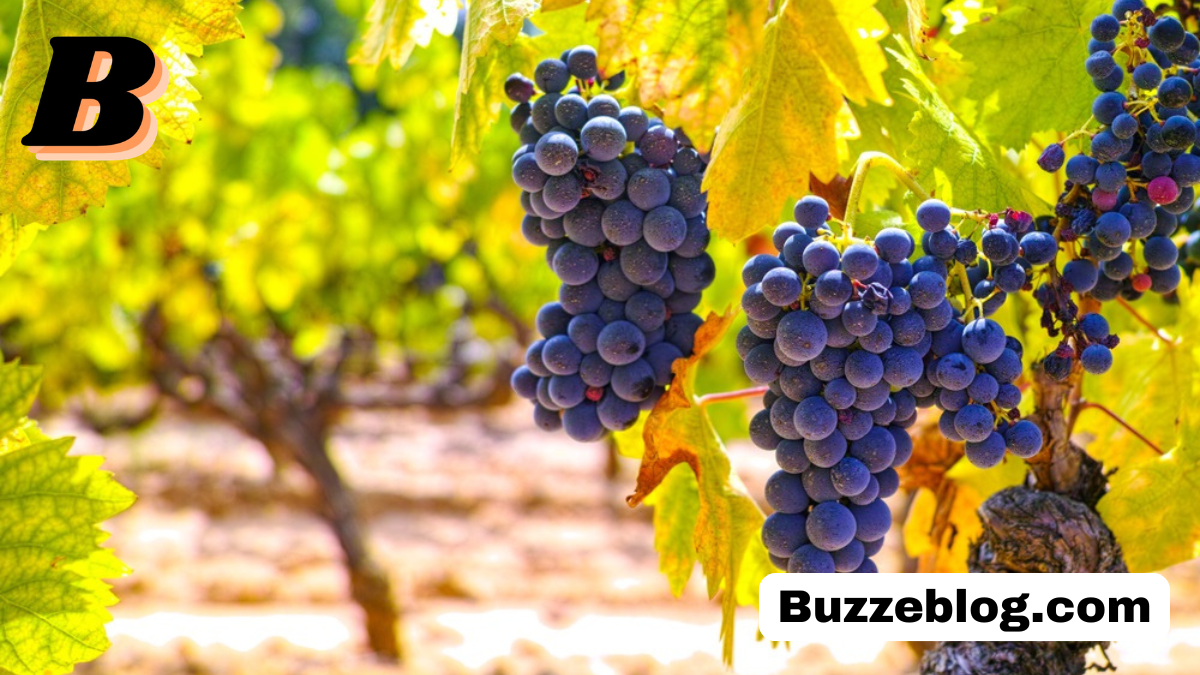
From a viticultural perspective, Mourvèdre has thick skins and produces small, tightly packed clusters. The thick skins contribute to its deep color and high tannin levels. They also provide some resistance to rot, which is helpful in humid conditions. However, the grape is sensitive to cold and does not perform well in cooler climates. It requires careful vineyard management, including proper canopy control and yield regulation, to ensure optimal ripeness and quality.
Flavor Profile and Tasting Notes
When you pour a glass of Mourvèdre, the first thing you usually notice is its deep, almost inky color. The wine tends to be dark purple or ruby with impressive intensity. On the nose, it often reveals aromas of blackberries, black cherries, plums, and sometimes blueberries. But fruit is only part of the story.
Mourvèdre is known for its savory and earthy characteristics. You might detect notes of leather, tobacco, black pepper, dried herbs, or even a subtle gamey or meaty quality. These elements add complexity and make the wine feel layered rather than one-dimensional. In warmer climates, the fruit can be more jammy and ripe, while in slightly cooler areas, the wine may lean more toward herbal and spicy notes.
On the palate, Mourvèdre typically offers full body, high tannins, and moderate to high acidity. The tannins can be firm, especially in younger wines, which is why aging often benefits this grape. Over time, the structure softens, and the wine develops more nuanced flavors, including dried fruit, forest floor, and spice. Properly aged Mourvèdre can be incredibly elegant and long-lasting, with a finish that lingers beautifully.
Mourvèdre in Blends: The GSM Tradition
One of the most famous contexts in which Mourvèdre appears is the GSM blend, which stands for Grenache, Syrah, and Mourvèdre. This blend is a hallmark of the southern Rhône Valley and has been widely adopted in other wine regions around the world. Each grape plays a specific role in the blend.
Grenache usually provides ripe red fruit, body, and alcohol. Syrah contributes dark fruit, peppery spice, and structure. Mourvèdre adds tannin, depth, and earthy complexity. Without Mourvèdre, many GSM blends would feel softer and less structured. Its presence helps anchor the wine and gives it the backbone needed for aging.
In some blends, Mourvèdre is used in smaller proportions, perhaps 10 to 20 percent, simply to add complexity. In others, especially in regions like Bandol, it can dominate the blend, making up the majority of the wine. The balance between these three grapes can dramatically influence the final character of the wine, but Mourvèdre’s contribution is almost always noticeable in the structure and savory undertones.
Key Regions for Mourvèdre Around the World
Bandol, France
Bandol is arguably the spiritual home of Mourvèdre in France. Located in Provence along the Mediterranean coast, Bandol offers the warm climate and abundant sunshine that Mourvèdre needs to ripen fully. Here, the grape often forms the backbone of the region’s red wines, sometimes comprising more than half of the blend.
Bandol wines are known for their power and aging potential. Young examples can be intensely tannic and structured, but with time, they soften and reveal layers of dried fruit, leather, spice, and earthy complexity. These wines can age for decades, making them some of the most collectible expressions of Mourvèdre in the world.
The maritime influence in Bandol is crucial. Sea breezes help moderate temperatures and extend the growing season, allowing the grapes to develop flavor while maintaining balance. The limestone-rich soils also contribute to the wine’s structure and minerality. For anyone wanting to understand classic Mourvèdre, Bandol is an essential reference point.
Jumilla, Spain
In Spain, Mourvèdre is known as Monastrell, and one of its most important regions is Jumilla in southeastern Spain. Jumilla is hot, dry, and sun-drenched, which suits Monastrell perfectly. The vineyards often sit at higher elevations, which helps preserve acidity despite the intense heat.
Jumilla wines made from Monastrell can be rich, bold, and fruit-forward. You will often find flavors of dark berries, plums, chocolate, and spice. Compared to some French expressions, Spanish Monastrell can be more approachable in youth, with slightly softer tannins and more pronounced fruit.
The region has experienced a renaissance in recent decades. Modern winemaking techniques and a focus on quality have elevated Jumilla’s reputation. Today, Monastrell from Jumilla offers excellent value and showcases a vibrant, sun-driven expression of the grape.
California and Australia
In California, Mourvèdre is grown in warm regions such as Paso Robles and parts of the Central Coast. It is often used in Rhône-style blends but can also be found as a single-varietal wine. Californian Mourvèdre tends to be ripe and fruit-driven, with plush textures and generous alcohol levels.
Australia, particularly in regions like the Barossa Valley, also has a long history with Mourvèdre, often referred to as Mataro. Australian examples can be bold and intense, sometimes with a slightly rustic edge. They often display dark fruit, spice, and earthy undertones, along with robust tannins.
Both California and Australia have embraced Mourvèdre as part of the broader movement toward Mediterranean varieties. As climate change influences traditional cool-climate regions, warm-loving grapes like Mourvèdre are becoming increasingly relevant. These New World expressions offer a fresh perspective on a historic grape.
Winemaking Approaches and Styles
Winemakers approach Mourvèdre with care, largely because of its tannin structure and late ripening. In the cellar, extended maceration is often used to extract color and flavor from the thick skins. However, careful management is required to avoid overly harsh tannins. Temperature control during fermentation is crucial to preserve fruit character and balance.
Oak aging is common with Mourvèdre, especially in premium wines. French oak barrels are frequently used to add subtle spice, vanilla, and structure. The grape’s robust profile can handle oak well, and in many cases, the integration of wood enhances complexity rather than overpowering the wine.
There are also lighter, more approachable styles of Mourvèdre. Some winemakers focus on freshness and fruit by using neutral vessels or shorter aging periods. Rosé wines in Provence sometimes include Mourvèdre, adding body and subtle spice to the blend. This versatility shows that Mourvèdre is not limited to heavy, age-worthy reds; it can adapt to different stylistic goals.
Food Pairing with Mourvèdre
Mourvèdre’s bold structure and savory complexity make it a natural partner for hearty dishes. Grilled meats, roasted lamb, and beef stews pair beautifully with its firm tannins and dark fruit. The wine’s earthy notes complement charred flavors and rich sauces.
Game meats, such as venison or duck, also work well. The subtle gamey character sometimes found in Mourvèdre can echo similar flavors in the food, creating a harmonious match. Dishes seasoned with rosemary, thyme, or black pepper tend to enhance the wine’s herbal and spicy undertones.
For those who prefer plant-based options, robust vegetarian dishes can also shine with Mourvèdre. Think grilled eggplant, mushroom risotto, or lentil stews. The key is to choose foods with enough depth and intensity to stand up to the wine’s structure. Lighter fare may be overwhelmed by its bold personality.
Aging Potential and Collectibility
One of Mourvèdre’s greatest strengths is its ability to age. High tannin levels, combined with sufficient acidity, create a solid structure that supports long-term cellaring. In regions like Bandol, top examples can age for 20 years or more, developing remarkable complexity over time.
As the wine ages, primary fruit flavors gradually give way to secondary and tertiary notes. You may notice dried fig, leather, tobacco, forest floor, and spice. The tannins soften, and the overall texture becomes smoother and more integrated. Proper storage conditions, including stable temperature and humidity, are essential to realize this potential.
Collectors appreciate Mourvèdre for its uniqueness and relative affordability compared to more famous varieties. While some premium bottles can be expensive, many high-quality examples remain reasonably priced. For those willing to wait, aged Mourvèdre can offer an unforgettable tasting experience that rivals more celebrated wines.
The Future of Mourvèdre
Looking ahead, Mourvèdre seems poised for continued relevance. As global temperatures rise, regions that once struggled to ripen this late-maturing grape may find it increasingly viable. Its natural affinity for warm climates makes it well-suited to the challenges of modern viticulture.
Winemakers are also experimenting with organic and biodynamic practices, which align well with Mourvèdre’s Mediterranean heritage. Lower yields, careful canopy management, and sustainable farming can help unlock even greater quality and expression.
At the same time, consumer interest in distinctive and lesser-known grape varieties is growing. Wine enthusiasts are eager to explore beyond mainstream options, and Mourvèdre offers a compelling alternative. Its bold flavors, aging potential, and cultural history make it a grape that rewards curiosity and patience.
Conclusion
Mourvèdre grape is a powerful, character-driven variety that has earned its place among the world’s great wine grapes. From its likely origins in Spain to its celebrated expressions in Bandol and beyond, it has demonstrated remarkable resilience and adaptability. It thrives in warm climates, demands careful vineyard management, and rewards both winemakers and drinkers with depth and complexity.
Whether blended in a classic GSM wine or showcased on its own, Mourvèdre brings structure, dark fruit, and savory nuance to the glass. It pairs beautifully with hearty cuisine, ages gracefully, and continues to inspire innovation in both Old and New World regions. For anyone serious about understanding Mediterranean wine traditions, Mourvèdre is not just an option; it is essential.
As you explore the world of wine, take the time to seek out a bottle of Mourvèdre. Taste it young and bold, then try an aged example to experience its transformation. In doing so, you will discover a grape that is both ancient and modern, rustic and refined, powerful and elegant all at once.
FAQs
What does Mourvèdre grape taste like?
Mourvèdre typically tastes like dark berries, plums, black pepper, leather, and earthy spices with firm tannins.
Is Mourvèdre the same as Monastrell?
Yes, Mourvèdre and Monastrell are the same grape, just different regional names.
Where is Mourvèdre most famous?
It is most famous in Bandol, France, and Jumilla, Spain.
Is Mourvèdre used in blends?
Yes, it is a key component in GSM blends with Grenache and Syrah.
Can Mourvèdre wines age well?
Yes, high-quality Mourvèdre wines can age for decades under proper storage conditions.
Also read: TBCco: A Comprehensive Exploration of Meaning, Context, and Modern Relevance