On January 12, 1998, a routine traffic stop turned into one of the most shocking law enforcement fatalities in U.S. history when 22-year-old Deputy Kyle Wayne Dinkheller was killed in Laurens County, Georgia. The encounter involved a Vietnam War veteran, Andrew Howard Brannan, who shot Dinkheller during the stop. What made the case particularly notable was that Dinkheller’s dash camera recorded the entire confrontation, creating one of the earliest widely viewed recordings of an officer being killed in the line of duty.
This incident not only highlighted the dangers officers face every day but also raised questions about mental health, post-traumatic stress among veterans, and police training in handling unpredictable encounters. Over two decades later, the murder of Kyle Dinkheller continues to be studied in law enforcement programs and discussed in criminal justice circles.
1. Background: Who Was Deputy Kyle Dinkheller?

Kyle Wayne Dinkheller was a young, ambitious officer who had recently joined the Laurens County Sheriff’s Office. Born in California, he completed high school in 1993 and pursued a career in law enforcement shortly afterward. He started as a jailer in 1995 and quickly moved up to deputy sheriff after completing state certification in 1996. By the time of his death, he had been on the job for just a few years but was recognized for his dedication and professionalism.
Dinkheller’s colleagues described him as diligent and attentive, committed to public service, and eager to advance in his career. Despite his youth, he had already gained the respect of his peers and community. His death at the age of 22 left a profound impact on the Laurens County Sheriff’s Office and set the stage for national attention on the dangers officers face during routine stops.
2. The Day of the Incident: A Routine Stop That Wasn’t
On that fateful afternoon, Deputy Dinkheller was patrolling Laurens County when he observed a pickup truck traveling at nearly 100 miles per hour. He initiated a traffic stop, expecting a routine exchange. Initially, the driver, Andrew Brannan, appeared calm, and the stop seemed ordinary. Both men exited their vehicles, and Dinkheller began his standard procedure.
However, the situation quickly escalated. Brannan became verbally aggressive, refusing to comply with commands and taunting Dinkheller to use his weapon. Dinkheller maintained his composure, following protocol while calling for backup. Despite his training and caution, the encounter grew increasingly tense as Brannan moved back toward his vehicle, signaling the beginning of the violent confrontation that would soon unfold.
3. The Shootout: How a Conversation Became a Gunfight
Brannan retrieved an Iver Johnson M1 Carbine from under his truck seat and raised it at Dinkheller. The deputy positioned himself near his cruiser and attempted to maintain control of the situation while issuing commands. Within moments, shots were fired. Dinkheller attempted to defend himself but was hit multiple times.
Despite sustaining severe injuries, Dinkheller managed to return fire, wounding Brannan in the stomach. Brannan reloaded and advanced on him again, ultimately firing the shot that struck Dinkheller in the eye, causing instantaneous death. Afterward, Brannan fled the scene but was captured the following day, hiding nearby.
4. The Dashcam: A Recording That Changed Policing
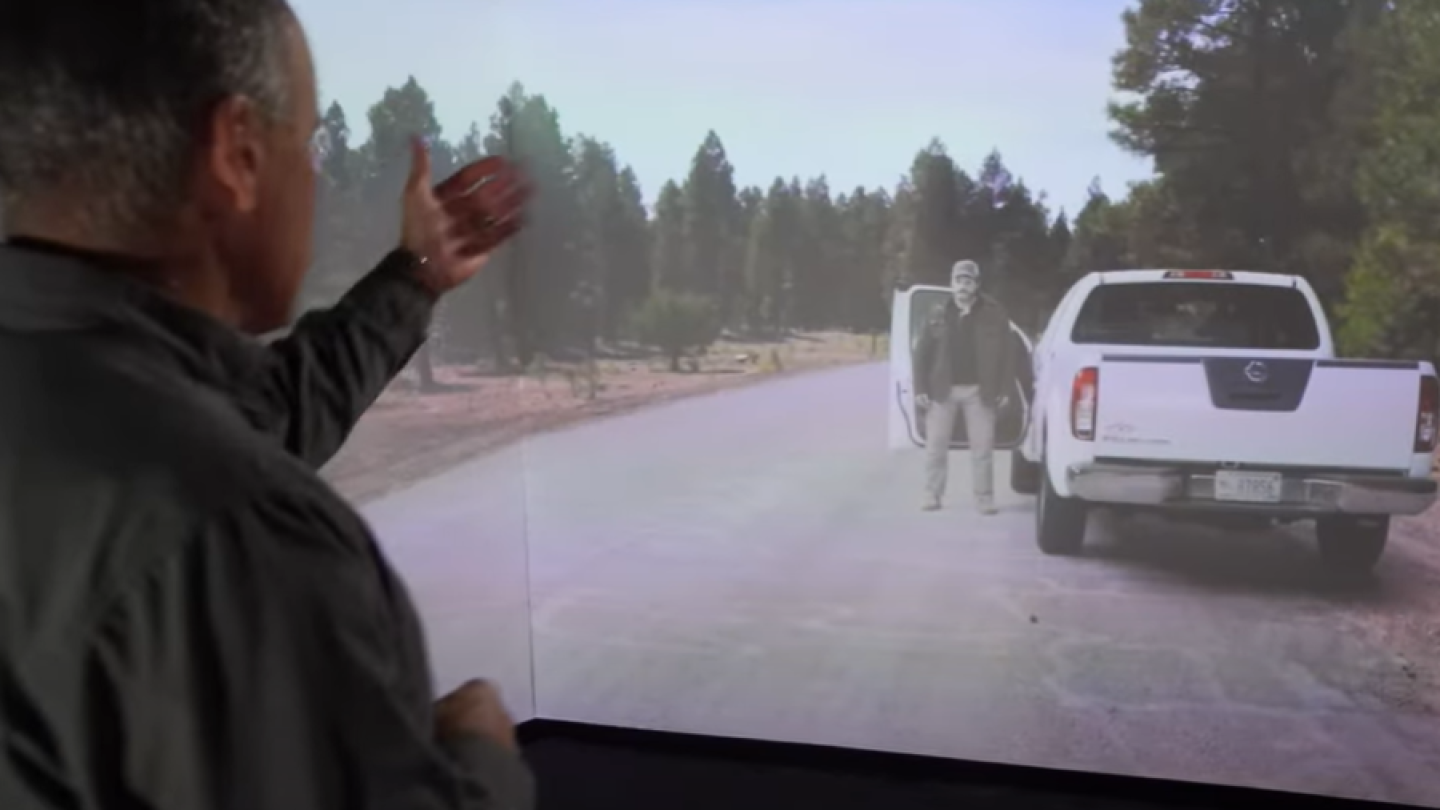
Dinkheller’s dashcam captured the entire encounter, making it one of the first widely recognized recordings of an officer being killed in action. The video documented the escalation from routine traffic stop to deadly confrontation, offering a clear and sobering perspective on how quickly events can spiral out of control.
The recording became an important training tool for law enforcement, helping officers understand how split-second decisions, positioning, and communication can impact survival during dangerous situations. It continues to be used in academies to emphasize situational awareness and the unpredictable nature of human behavior in high-stress encounters.
5. Who Was Andrew Howard Brannan?
Andrew Howard Brannan was a Vietnam War veteran who served as an artillery officer. He had received commendations for his service but struggled with post-traumatic stress disorder (PTSD) and other mental health issues after returning from combat. At the time of the incident, Brannan was not on medication, and his defense later argued that his untreated PTSD contributed to his violent actions.
Despite these claims, Brannan was found legally responsible for his actions. The prosecution highlighted that he actively retrieved a firearm, fired multiple times at a law enforcement officer, and fled the scene. The jury concluded that these actions demonstrated premeditation and deliberate intent, leading to his conviction for murder.
6. Trial, Appeals, and Execution
Brannan’s trial included claims of insanity based on his PTSD and mental health struggles. His lawyers argued that he was not criminally responsible due to combat-related trauma. However, these claims were rejected by the courts, which determined that he had the capacity to understand his actions and that the killing was deliberate.
Brannan was sentenced to death and remained on death row for over 15 years. He was executed by lethal injection in 2015 at the age of 66. Throughout the legal process, his case remained controversial, drawing attention to the intersection of mental health, criminal justice, and capital punishment.
7. Aftermath and Legacy
The murder of Deputy Dinkheller had a profound impact on law enforcement training and public awareness of officer safety. Departments across the country began incorporating the incident into scenario-based training, emphasizing preparation for unpredictable situations. The case also sparked discussion about the need for mental health support for veterans and the importance of addressing PTSD before it contributes to violent outcomes.
Dinkheller’s death highlighted the dangers inherent in even the most routine police work and reinforced the need for constant vigilance, proper training, and support systems for both officers and the broader community.
8. In Popular Culture and Public Memory
The incident has been referenced in documentaries, training films, and educational materials. The dashcam footage, while graphic, has been used to teach law enforcement professionals about rapid escalation, situational awareness, and the unpredictable nature of armed encounters. Dinkheller’s story is also remembered in his community and by fellow officers, serving as a lasting reminder of the sacrifices made in the line of duty.
9. Lessons Learned
The murder of Kyle Dinkheller offers several key lessons:
- Routine stops can become life-threatening in seconds.
- Officers must maintain awareness and employ strategic positioning during encounters.
- Mental health issues, particularly among veterans, must be addressed proactively to prevent tragedies.
- Real-life case studies and recorded encounters are invaluable for law enforcement training.
This case continues to inform policy, training, and public understanding of the challenges faced by law enforcement.
Frequently Asked Questions (FAQs)
What happened in the murder of Kyle Dinkheller?
He was fatally shot during a traffic stop by Andrew Brannan after a standoff escalated into gunfire.
When did the incident occur?
The incident took place on January 12, 1998, in Laurens County, Georgia.
Who was Andrew Brannan?
He was a Vietnam War veteran convicted of killing Deputy Dinkheller.
Was a dashcam recording made?
Yes, the encounter was recorded on Dinkheller’s cruiser dashcam.
What was Brannan’s sentence?
He was sentenced to death and executed in 2015.
Also read:Webley Revolvers: A Complete Expert Guide to History, Design, and Legacy