Ometepe is one of those rare destinations that feels almost mythical when you first hear about it. Imagine an island formed by two towering volcanoes rising dramatically from the surface of a massive freshwater lake. Add lush forests, ancient legends, friendly communities, and wildlife that seems untouched by modern chaos—and you begin to understand why travelers often describe Ometepe as magical.
Located in Lake Nicaragua, this island is not just geographically fascinating but culturally rich as well. It offers visitors a blend of adventure and tranquility that is increasingly difficult to find in today’s fast-paced world. Whether you are a backpacker seeking rugged trails, a digital nomad chasing peaceful scenery, or a curious traveler wanting to explore authentic Central American culture, Ometepe delivers on all fronts.
This comprehensive guide will walk you through everything you need to know about Ometepe—from its geological origins and vibrant culture to travel tips, hidden gems, outdoor adventures, and much more.
Where Is Ometepe and Why Is It So Unique?
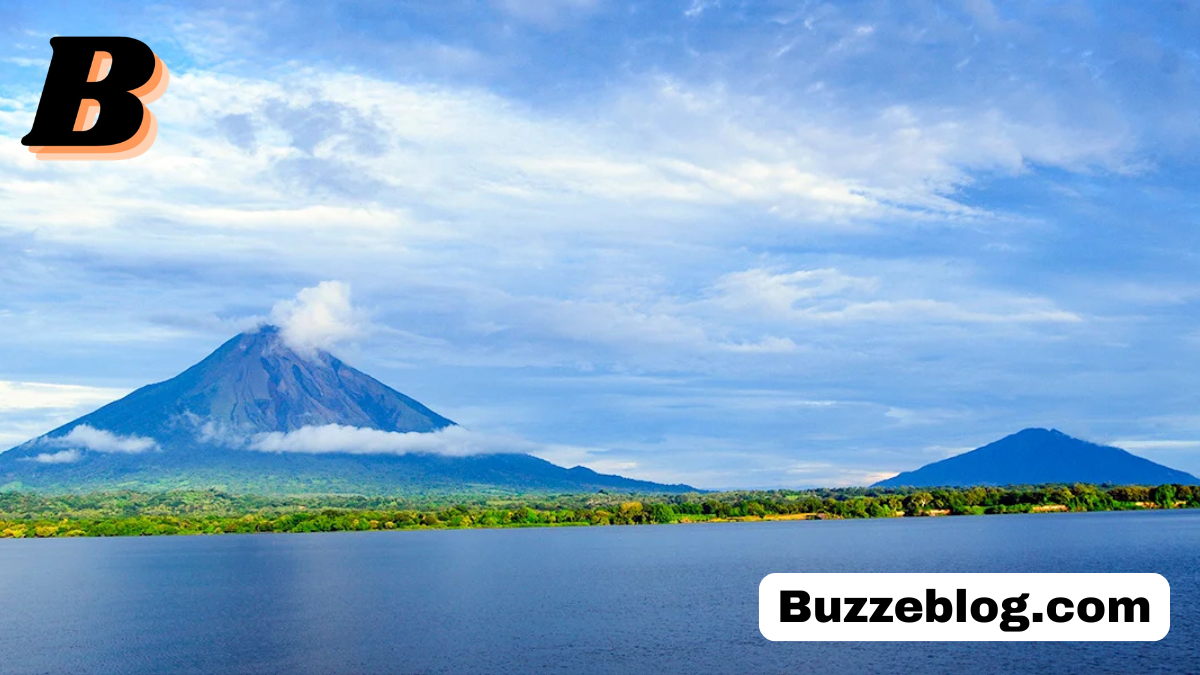
Ometepe sits gracefully within Lake Nicaragua, the largest lake in Central America. What immediately sets the island apart is its dramatic shape, formed by two volcanoes connected by a narrow isthmus. From above, the island resembles a figure eight, creating a landscape that is both striking and symbolic.
The name “Ometepe” itself comes from indigenous words meaning “two mountains,” which perfectly describes the island’s defining feature. These mountains are actually volcanoes—one active and one dormant—giving the island a sense of raw natural power.
But geography is only part of the story. Ometepe feels unique because it hasn’t surrendered entirely to commercial tourism. While infrastructure exists, it is refreshingly low-key. Dirt roads still lead to many parts of the island, and life moves at a pace that encourages visitors to slow down and appreciate their surroundings.
Travelers often describe their arrival on Ometepe as stepping into another world. The ferry ride across the lake builds anticipation, and as the volcanoes grow larger on the horizon, you realize you are approaching somewhere truly special.
The Geological Wonder: How Ometepe Was Formed
Ometepe’s creation is a dramatic tale written by volcanic activity thousands of years ago. The island emerged as lava flows and eruptions gradually built land above the lake’s surface.
The two volcanoes—Concepción and Maderas—are vastly different in personality, yet together they shape the island’s ecosystem and terrain.
Concepción is the more imposing of the pair. With its nearly perfect cone, it looks like the textbook definition of a volcano. It remains active, occasionally releasing smoke and reminding everyone of the powerful forces beneath the earth.
Maderas, on the other hand, is dormant and covered in cloud forest. Over centuries, vegetation transformed its slopes into a lush paradise filled with biodiversity.
The space between these volcanoes formed naturally through sediment and volcanic deposits, eventually creating the full island we see today.
This geological diversity contributes to Ometepe’s wide range of microclimates—from humid forests to rocky slopes—making it an ecological treasure trove.
A Journey Through History: The Cultural Roots of Ometepe
Long before modern travelers discovered Ometepe, indigenous communities called the island home. Evidence of their presence can still be found in petroglyphs—ancient carvings etched into stones that tell stories of spirituality, rituals, and daily life.
These early inhabitants believed the volcanoes were sacred. Many myths describe them as protective spirits watching over the island.
Even today, local culture carries echoes of these traditions. Festivals, crafts, and storytelling reflect a deep respect for nature and ancestry.
Spanish colonization later introduced new architectural styles, religious practices, and agricultural methods. Yet rather than replacing indigenous culture entirely, these influences blended together, creating a rich cultural mosaic.
Walking through the island’s towns, you will notice colorful homes, welcoming smiles, and a strong sense of community. People here value relationships and traditions, often prioritizing them over the relentless push toward modernization.
It is this cultural authenticity that leaves such a lasting impression on visitors.
The Twin Volcanoes: Guardians of the Island
Concepción: The Towering Giant
Concepción dominates the skyline with its symmetrical shape. Rising dramatically from the lake, it feels both intimidating and awe-inspiring.
Climbing Concepción is not for the faint-hearted. The hike is steep, exposed, and physically demanding. Strong winds and loose volcanic rock add to the challenge.
However, those who reach the summit are rewarded with sweeping views that stretch across the lake and beyond.
Many hikers describe the experience as transformative—not just physically but mentally. Standing atop an active volcano has a way of making everyday worries seem insignificant.
Maderas: The Lush Retreat
If Concepción represents raw power, Maderas symbolizes tranquility.
Covered in dense forest, this volcano offers a completely different hiking experience. Trails wind through misty vegetation where monkeys swing between branches and exotic birds call out from hidden perches.
Near the summit lies a crater lagoon, often shrouded in fog. The atmosphere feels almost mystical, as though you have entered a forgotten world.
For nature lovers, Maderas is often the preferred climb because of its biodiversity and cooler environment.
Together, these volcanoes define the spirit of Ometepe—balanced between adventure and serenity.
Wildlife and Biodiversity: A Natural Paradise
Ometepe is a haven for wildlife enthusiasts. Thanks to its varied ecosystems, the island supports an impressive array of species.
Howler monkeys are among the most recognizable residents. Their deep, echoing calls often serve as a natural alarm clock for early risers.
Capuchin monkeys, known for their intelligence and curiosity, can also be spotted in the forests.
Birdwatchers will find themselves in paradise. Brightly colored species dart across the sky, while herons and kingfishers patrol the shoreline.
Reptiles, butterflies, and countless insects contribute to the island’s vibrant ecological web.
What makes Ometepe especially remarkable is how accessible this wildlife is. You don’t need to venture deep into remote jungles—nature is everywhere, often just steps away from your accommodation.
This closeness fosters a strong conservation mindset among locals, who understand that protecting the environment is essential for the island’s future.
The Best Time to Visit Ometepe
Timing your trip can significantly shape your experience.
The dry season typically offers sunny days and easier hiking conditions. Trails are less muddy, and transportation is more reliable.
However, the rainy season brings its own charm. The landscape becomes greener, waterfalls flow more dramatically, and fewer tourists mean quieter attractions.
Travelers who don’t mind occasional downpours often find this period especially rewarding.
Temperature remains fairly warm year-round, though humidity can vary depending on the season.
Ultimately, the “best” time depends on your preferences—whether you prioritize perfect weather or a more peaceful atmosphere.
Getting to Ometepe: The Adventure Begins Before Arrival
Reaching Ometepe usually involves a ferry ride across Lake Nicaragua, which is an experience in itself.
As the boat cuts through the water, anticipation builds. The volcanoes gradually grow larger, creating a cinematic approach that feels almost symbolic—like crossing a threshold into another realm.
Ferries carry both passengers and vehicles, connecting the island to mainland towns.
While schedules can occasionally change due to weather, the journey is generally reliable.
Many travelers recommend arriving earlier in the day to avoid navigating unfamiliar roads after dark.
Once you step onto the island, the slower rhythm becomes immediately noticeable.
Getting Around the Island
Transportation on Ometepe is refreshingly simple.
Motorbikes are a popular option for travelers who enjoy independence. Riding along lakeside roads with volcano views is an unforgettable experience.
Bicycles offer a more relaxed pace and allow you to notice details you might otherwise miss.
Local buses connect major towns and are budget-friendly, though they may require patience.
Taxis and tuk-tuks provide convenience for shorter distances.
Regardless of your chosen method, traveling around Ometepe often feels like part of the adventure rather than just a means to an end.
Charming Towns Worth Exploring
Ometepe is dotted with small towns, each offering its own personality.
Some are lively with markets and restaurants, while others are quiet retreats perfect for reflection.
You’ll find friendly shopkeepers, roadside fruit stands, and children waving as you pass by.
These towns aren’t designed for spectacle—they are authentic communities where daily life unfolds naturally.
Spending time here allows you to connect with the island beyond its landscapes.
It is often the conversations with locals that travelers remember most vividly.
Outdoor Adventures You Shouldn’t Miss
Adventure seekers will never feel bored on Ometepe.
Hiking is, of course, a major draw. Whether you tackle a volcano or explore gentler nature trails, the scenery rarely disappoints.
Kayaking along the shoreline offers a peaceful perspective of the island.
Horseback riding through rural areas provides insight into traditional lifestyles.
Swimming spots range from sandy beaches to natural springs.
For those who enjoy photography, nearly every corner presents a new composition—sunsets over the lake, mist clinging to mountains, or wildlife in motion.
The island encourages exploration at your own pace.
The Famous Natural Spring: A Refreshing Escape
One of Ometepe’s most beloved attractions is its crystal-clear natural spring.
Fed by underground water sources, the pool remains cool even on hot days.
Surrounded by trees, it feels like a hidden sanctuary.
Travelers often spend hours here—floating, reading, or simply enjoying the calm atmosphere.
The spring is also a reminder of the island’s geological complexity, where volcanic activity contributes to unique water systems.
Few experiences compare to slipping into fresh, clear water after a morning of hiking.
Beaches with Character
Although Ometepe is not primarily known as a beach destination, its shores possess a rugged beauty.
Some beaches feature smooth stones shaped by years of wave action, while others offer darker volcanic sand.
Sunsets are particularly spectacular. As the sky shifts through shades of orange and pink, the silhouettes of the volcanoes create an unforgettable panorama.
These beaches are rarely crowded, making them perfect for quiet reflection.
Bring a book, enjoy a picnic, or simply watch the water ripple toward the horizon.
Sometimes simplicity creates the most meaningful travel moments.
Food on Ometepe: Simple, Fresh, and Memorable
Food on the island reflects both tradition and practicality.
Many dishes rely on locally grown ingredients—plantains, beans, rice, fresh cheese, and tropical fruits.
Meals are often hearty, designed to fuel physically demanding lifestyles.
You’ll find roadside eateries serving comforting home-style cooking alongside small cafés offering international options.
Fresh juices are particularly popular, providing a refreshing break from the heat.
Dining here is less about luxury and more about authenticity.
Sharing a meal often leads to conversations that deepen your understanding of the island’s culture.
Where to Stay: From Eco-Lodges to Cozy Guesthouses
Accommodation on Ometepe caters to a wide range of travelers.
Eco-lodges are especially popular, blending comfort with environmental responsibility. Many use renewable energy and sustainable practices.
Guesthouses provide a more intimate experience, often run by local families eager to share their knowledge of the island.
There are also hostels that foster a social atmosphere for backpackers.
No matter your choice, waking up to volcano views or birdsong adds a special touch to your stay.
It is worth booking ahead during busier travel periods, as options can fill quickly.
Sustainable Tourism and Community Efforts
Ometepe has increasingly embraced sustainable tourism.
Local initiatives focus on protecting forests, reducing waste, and educating visitors about environmental responsibility.
Travelers play an important role in this effort. Simple actions—like minimizing plastic use or respecting wildlife—help preserve the island.
Supporting local businesses ensures that tourism benefits the community directly.
Many visitors leave inspired by the balance Ometepe strives to maintain between welcoming guests and safeguarding its natural heritage.
Responsible travel here feels less like an obligation and more like a shared mission.
Hidden Gems Most Travelers Overlook
Beyond well-known attractions, Ometepe hides countless surprises.
Lesser-known trails lead to viewpoints that feel entirely your own.
Small farms welcome visitors curious about traditional agriculture.
Artisan workshops showcase handmade crafts rooted in cultural history.
Even spontaneous moments—like stumbling upon a lakeside clearing—can become highlights of your journey.
The key is to remain open to exploration.
Often, the most memorable discoveries are the ones you didn’t plan.
A Slower Pace of Life: Why Visitors Fall in Love
Perhaps the greatest gift Ometepe offers is its pace.
Here, time feels less urgent.
Sunrises are savored rather than rushed through. Conversations linger. Even silence feels meaningful.
For travelers accustomed to constant notifications and tight schedules, this shift can be transformative.
Many arrive intending to stay a few days and end up extending their visit.
The island invites you to reconnect—with nature, with others, and with yourself.
In a world obsessed with speed, Ometepe quietly reminds us of the value of slowing down.
Practical Travel Tips for First-Time Visitors
Preparation enhances any trip, and Ometepe is no exception.
Pack lightweight clothing but include layers for cooler evenings or higher elevations.
Comfortable footwear is essential, especially if hiking is on your agenda.
Cash is useful, as smaller establishments may not accept cards.
Staying hydrated is important in the tropical climate.
It’s also wise to respect local customs—simple gestures of politeness go a long way.
Above all, approach the island with flexibility. Sometimes plans change, but those unexpected moments often become cherished memories.
Photography Opportunities Everywhere
Ometepe feels like it was designed for photographers.
Golden-hour lighting transforms the volcanoes into dramatic silhouettes.
Reflections shimmer across the lake at dawn.
Wildlife encounters offer dynamic subjects.
Even everyday scenes—farmers tending fields, boats drifting along the shore—carry visual poetry.
You don’t need professional equipment to capture the island’s essence; curiosity and patience are often enough.
Take time to pause, observe, and frame the moment.
Some images are best stored not just on cameras but in memory.
Wellness and Reconnection
Ometepe has quietly become a haven for wellness seekers.
Yoga sessions overlooking the lake create a serene start to the day.
Meditation feels natural amid such tranquil surroundings.
The island’s atmosphere encourages introspection without forcing it.
Many visitors describe leaving with renewed clarity and energy.
Whether you participate in structured retreats or simply embrace the calm, Ometepe supports both body and mind.
It is a reminder that sometimes the best therapy is nature itself.
Challenges Travelers Should Be Aware Of
While Ometepe is enchanting, it is not without challenges.
Road conditions can be uneven, particularly after heavy rains.
Internet connectivity may vary, which can be frustrating for those needing constant access.
Medical facilities are limited compared to large cities.
However, these factors are part of what keeps the island authentic.
Approaching your trip with realistic expectations ensures a smoother experience.
Most travelers find that the rewards far outweigh any inconveniences.
Why Ometepe Deserves a Spot on Your Travel List
There are destinations you visit—and then there are places that stay with you long after you leave.
Ometepe belongs firmly in the latter category.
Its landscapes inspire awe, its culture fosters connection, and its pace encourages reflection.
Few places offer such a harmonious blend of adventure and tranquility.
Whether you come for the volcanoes, the wildlife, the culture, or simply the promise of something different, Ometepe delivers.
And often, it exceeds expectations.
Travel is ultimately about transformation, and Ometepe has a quiet way of changing those who experience it.
FAQs
What is Ometepe known for?
Ometepe is famous for its twin volcanoes, rich biodiversity, and peaceful island atmosphere.
Is Ometepe worth visiting?
Yes, it offers a unique mix of adventure, culture, and natural beauty that appeals to many travelers.
How many days should you spend on Ometepe?
Most visitors find three to five days ideal for exploring the island comfortably.
Can beginners hike the volcanoes?
Beginners can attempt the dormant volcano with preparation, but the active one is more challenging.
Is Ometepe safe for tourists?
Generally, it is considered safe, especially when practicing basic travel awareness.
Do you need cash on the island?
Yes, carrying cash is recommended since smaller businesses may not accept cards.
What wildlife can you see on Ometepe?
You may encounter monkeys, tropical birds, reptiles, and diverse insect species.
When is the best time to visit Ometepe?
The dry season is popular for easier travel, though the rainy season offers lush scenery.
Is Ometepe suitable for families?
Yes, families who enjoy nature and outdoor activities often have a wonderful experience.
What makes Ometepe unique compared to other islands?
Its volcanic origins, cultural depth, and slower pace create a truly distinctive destination.
Also read: Ritu Khanna