
Introduction to Pivot Sprinkler Systems
Pivot sprinkler systems have transformed modern agriculture by offering an efficient and reliable method of irrigating large areas of land. If you have ever seen massive circular patterns in farm fields from an aerial view, those are most likely created by these systems. They are designed to rotate around a central point, distributing water evenly across crops. This unique approach helps farmers maintain consistent moisture levels, which is critical for crop health and yield.
At their core, pivot sprinkler systems are about precision and efficiency. Unlike traditional irrigation methods that often waste water through runoff or evaporation, these systems deliver water directly where it is needed. The rotating arms, fitted with sprinklers, move slowly across the field, ensuring even distribution. This controlled watering system helps reduce water waste and improves productivity, making it a preferred choice for large-scale farming operations.
What makes pivot sprinkler systems particularly interesting is how they combine engineering and agriculture. They are not just tools for watering crops; they are advanced machines equipped with technology that allows farmers to monitor and control irrigation with great accuracy. Whether it is adjusting water pressure or setting irrigation schedules, these systems provide flexibility and control that older methods simply cannot match.
How Pivot Sprinkler Systems Work
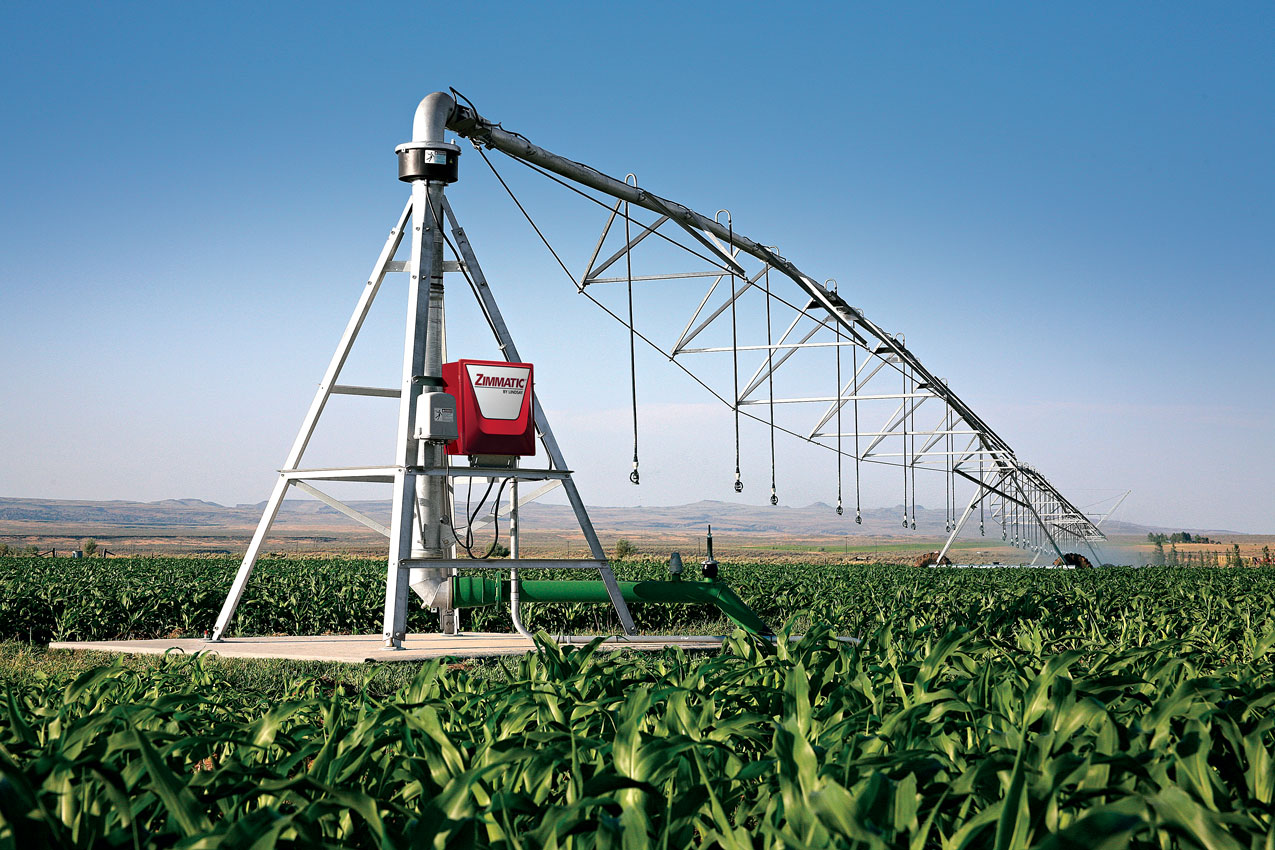
Understanding how pivot sprinkler systems function is key to appreciating their effectiveness. The system consists of a central pivot point, long spans of pipes, and multiple sprinkler heads attached along the length of those pipes. Water is pumped through the central pivot and flows outward through the pipes, reaching each sprinkler head.
The entire structure rotates slowly around the central pivot. This movement is powered by electric motors located at the wheels along the spans. As the system rotates, each sprinkler head distributes water over a specific area, ensuring that every part of the field receives adequate irrigation. The speed of rotation can be adjusted depending on the crop’s water needs and environmental conditions.
Another important aspect of how these systems work is the control mechanism. Modern pivot sprinkler systems often include digital control panels or even smartphone integration. This allows farmers to monitor water usage, adjust irrigation schedules, and detect any issues in real time. This level of control not only improves efficiency but also reduces the risk of overwatering or underwatering crops.
Key Components of Pivot Sprinkler Systems
Pivot sprinkler systems are made up of several essential components that work together to ensure smooth operation. Each part plays a critical role in delivering water efficiently and maintaining the system’s durability over time.
The central pivot is the heart of the system. It is the fixed point where water enters and from which the entire structure rotates. This component is usually connected to a water source such as a well or a pipeline. It also houses the control system that regulates water flow and rotation speed.
The spans are long sections of pipes supported by towers with wheels. These spans carry water from the central pivot to the outer edges of the field. The towers move slowly, allowing the entire system to rotate. The number of spans can vary depending on the size of the field being irrigated.
Sprinkler heads are attached along the spans and are responsible for distributing water. These heads come in different designs, including high-pressure and low-pressure options. The choice of sprinkler head affects water distribution, efficiency, and energy consumption. Together, these components create a system that is both effective and adaptable to different farming needs.
Types of Pivot Sprinkler Systems
There are several types of pivot sprinkler systems available, each designed to meet specific irrigation requirements. Understanding these variations can help farmers choose the right system for their land and crops.
Standard center pivot systems are the most common type. They rotate around a fixed central point and are ideal for large, open fields. These systems are known for their efficiency and ability to cover a wide area with minimal labor.
Towable pivot systems offer more flexibility. Unlike fixed systems, they can be moved from one field to another. This makes them a good option for farmers who manage multiple plots of land. However, they require additional effort to relocate and set up.
Linear or lateral move systems are another variation. Instead of rotating in a circle, these systems move in a straight line across the field. They are suitable for rectangular fields where a circular system would not provide full coverage. Each type of pivot sprinkler system has its own advantages, making it important to consider factors such as field shape, size, and crop type when making a decision.
Advantages of Using Pivot Sprinkler Systems
One of the biggest advantages of pivot sprinkler systems is their ability to conserve water. By delivering water directly to crops in a controlled manner, these systems reduce waste caused by evaporation and runoff. This is especially important in regions where water resources are limited.
Another major benefit is labor efficiency. Once installed, pivot sprinkler systems require minimal manual intervention. Farmers can automate irrigation schedules and monitor the system remotely. This reduces the need for constant supervision and allows farmers to focus on other aspects of crop management.
Consistency in water distribution is another key advantage. Unlike traditional methods that can lead to uneven watering, pivot systems ensure that every part of the field receives the same amount of water. This promotes uniform crop growth and improves overall yield. The combination of efficiency, convenience, and consistency makes these systems a valuable investment for modern agriculture.
Disadvantages and Challenges
While pivot sprinkler systems offer many benefits, they are not without challenges. One of the main drawbacks is the initial cost of installation. Setting up a pivot system can be expensive, especially for large fields. This includes the cost of equipment, installation, and any necessary infrastructure such as water supply systems.
Another challenge is maintenance. Although these systems are designed to be durable, they still require regular maintenance to function properly. Components such as sprinkler heads, motors, and pipes can wear out over time and need to be replaced or repaired. Neglecting maintenance can lead to reduced efficiency and potential system failure.
Field shape can also be a limitation. Since standard pivot systems operate in a circular pattern, they may not fully cover irregularly shaped fields. This can result in some areas being under-irrigated unless additional systems are used. Despite these challenges, many farmers find that the benefits outweigh the drawbacks, especially when the system is properly managed.
Installation Process of Pivot Sprinkler Systems
Installing a pivot sprinkler system is a detailed process that requires careful planning and execution. The first step is assessing the field and determining the best location for the central pivot. This involves considering factors such as water availability, soil type, and crop requirements.
Once the location is selected, the central pivot is installed and connected to the water source. This may involve drilling a well or connecting to an existing irrigation pipeline. The spans and towers are then assembled and attached to the pivot. Each component must be properly aligned to ensure smooth rotation.
After assembly, the system is tested to ensure that all parts are functioning correctly. This includes checking water flow, sprinkler performance, and motor operation. Proper installation is crucial for the system’s efficiency and longevity, making it important to follow best practices and, if possible, seek professional assistance.
Maintenance and Care Tips
Maintaining a pivot sprinkler system is essential for ensuring its long-term performance. Regular inspections should be conducted to identify any issues such as leaks, worn-out parts, or misaligned components. Addressing these problems early can prevent more serious damage and costly repairs.
Cleaning the sprinkler heads is another important aspect of maintenance. Dirt and debris can clog the nozzles, affecting water distribution. Regular cleaning ensures that the system operates efficiently and delivers water evenly across the field.
Lubricating moving parts and checking electrical components are also crucial. Motors and gears need to be in good condition for the system to rotate smoothly. Electrical connections should be inspected to prevent malfunctions. With proper care, a pivot sprinkler system can provide reliable service for many years.
Technological Advancements in Pivot Irrigation
Modern pivot sprinkler systems have benefited greatly from technological advancements. Today’s systems are equipped with smart controls that allow farmers to manage irrigation remotely. This includes adjusting water flow, monitoring system performance, and receiving alerts in case of issues.
GPS technology is another innovation that has improved the accuracy of these systems. It allows for precise control of irrigation patterns, ensuring that water is distributed exactly where it is needed. This reduces waste and improves efficiency.
Some systems also incorporate sensors that measure soil moisture, weather conditions, and crop health. This data is used to optimize irrigation schedules, ensuring that crops receive the right amount of water at the right time. These advancements have made pivot sprinkler systems more efficient and user-friendly than ever before.
Environmental Impact of Pivot Sprinkler Systems
Pivot sprinkler systems have a significant impact on the environment, both positive and negative. On the positive side, they help conserve water by reducing waste and improving efficiency. This is particularly important in areas facing water scarcity.
They also contribute to sustainable farming practices by promoting uniform crop growth and reducing the need for excessive irrigation. This can help prevent soil erosion and maintain soil health over time.
However, there are also potential environmental concerns. Overuse of irrigation can lead to waterlogging and increased salinity in the soil. Additionally, the energy required to operate these systems can contribute to carbon emissions. By using energy-efficient equipment and proper management practices, farmers can minimize these negative impacts.
Cost Analysis and Return on Investment
Investing in a pivot sprinkler system requires careful financial planning. The initial cost can be high, but it is important to consider the long-term benefits. These systems can significantly reduce water usage and labor costs, leading to savings over time.
Improved crop yields are another factor that contributes to return on investment. By providing consistent and efficient irrigation, pivot systems help crops grow more evenly and produce higher yields. This can increase overall profitability for farmers.
Maintenance and operating costs should also be taken into account. While these systems require regular upkeep, the costs are generally manageable compared to the benefits they provide. With proper planning and management, a pivot sprinkler system can be a worthwhile investment.
Choosing the Right Pivot Sprinkler System
Selecting the right pivot sprinkler system involves considering several factors. Field size and shape are among the most important considerations. Larger fields are well-suited for standard pivot systems, while irregularly shaped fields may require alternative solutions.
Crop type is another key factor. Different crops have different water requirements, and the system should be able to meet those needs. This includes choosing the right type of sprinkler heads and adjusting water pressure accordingly.
Budget and available resources also play a role. Farmers need to balance the cost of the system with the expected benefits. By carefully evaluating these factors, it is possible to choose a system that meets both practical and financial requirements.
Future of Pivot Sprinkler Systems
The future of pivot sprinkler systems looks promising, with continued advancements in technology and sustainability. Innovations such as artificial intelligence and machine learning are expected to play a role in optimizing irrigation practices.
Renewable energy sources, such as solar power, are also being integrated into these systems. This can reduce operating costs and minimize environmental impact. As technology continues to evolve, pivot sprinkler systems are likely to become even more efficient and accessible.
The growing focus on sustainable agriculture is another factor driving the development of these systems. Farmers are increasingly looking for ways to conserve resources and reduce their environmental footprint. Pivot sprinkler systems are well-positioned to meet these demands, making them an important part of the future of farming.
Conclusion
Pivot sprinkler systems have revolutionized the way farmers irrigate their fields. By combining efficiency, precision, and advanced technology, these systems offer a reliable solution for modern agriculture. They help conserve water, reduce labor, and improve crop yields, making them a valuable investment for farmers around the world.
While there are challenges such as initial costs and maintenance requirements, the long-term benefits often outweigh these drawbacks. With proper planning and management, pivot sprinkler systems can provide consistent and efficient irrigation for many years.
As technology continues to advance, these systems are likely to become even more effective and sustainable. For farmers looking to improve their irrigation practices, pivot sprinkler systems represent a smart and forward-thinking choice.
FAQs
What is a pivot sprinkler system?
A pivot sprinkler system is an irrigation system that rotates around a central point to water crops evenly.
How much water do pivot systems save?
They can save significant water by reducing runoff and evaporation compared to traditional methods.
Are pivot sprinkler systems expensive?
Yes, the initial cost is high, but they offer long-term savings and better crop yields.
Can pivot systems work on small farms?
They are more suitable for large fields, but smaller versions can be used on medium farms.
Do pivot systems require maintenance?
Yes, regular maintenance is needed to keep them functioning efficiently.
What crops are best for pivot irrigation?
They work well for crops like corn, wheat, and alfalfa.
Can these systems run automatically?
Yes, modern systems can be automated and controlled remotely.
Do pivot systems waste water?
No, they are designed to use water efficiently and minimize waste.
How long do pivot systems last?
With proper care, they can last for many years.
Are pivot systems environmentally friendly?
They are generally eco-friendly when managed properly and used efficiently.
Also read:Red Phantom Tetra: The Complete Expert Guide to This Stunning Aquarium Fish