Introduction to the Russian River Northern California
The Russian River Northern California region is one of those rare places that feels both wildly natural and deeply cultivated at the same time. It stretches gracefully through Sonoma County before emptying into the Pacific Ocean, weaving through redwood forests, vineyards, small towns, and open countryside. What makes it special isn’t just the scenery, though the scenery is undeniably stunning. It’s the layered personality of the place. You can float lazily down the river in the afternoon and sip world-class Pinot Noir by sunset. Not many destinations can offer that kind of contrast so effortlessly.
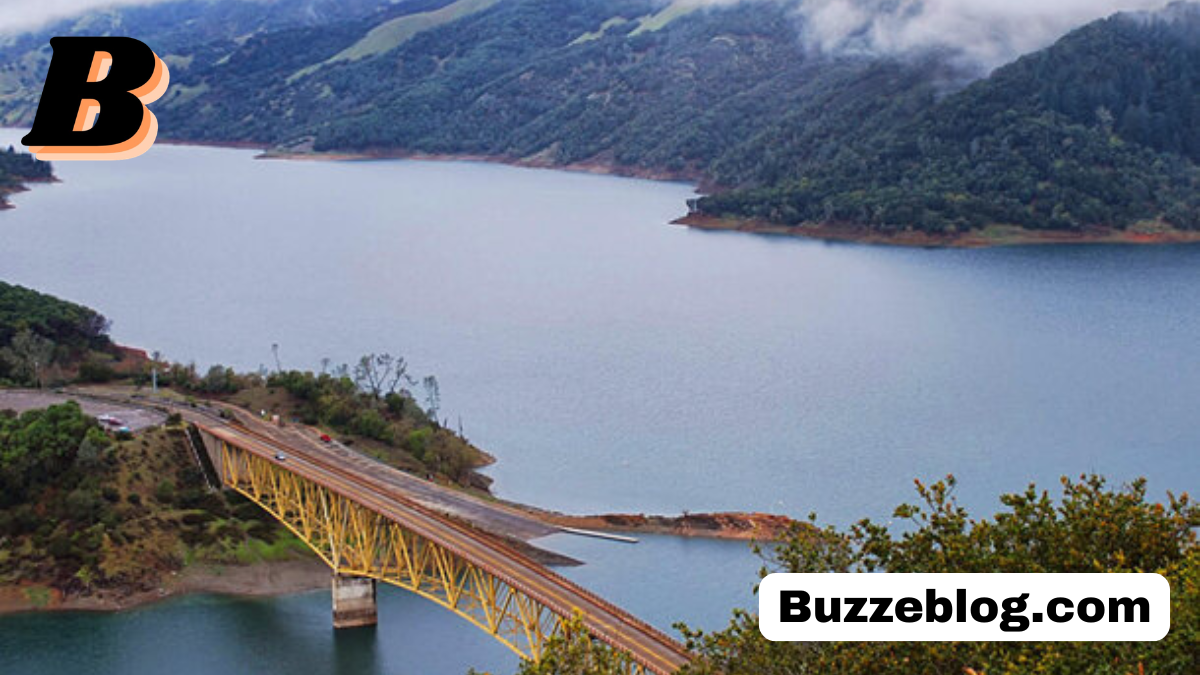
Geographically, the river begins in Mendocino County and flows south through Sonoma County, eventually turning west toward the coast near Jenner. The section most people refer to when they say “Russian River Northern California” is the Sonoma County stretch. This area is famous for outdoor recreation, wine production, charming towns, and a relaxed lifestyle that feels far removed from big-city pressure even though San Francisco is only about two hours away.
What truly elevates the Russian River Northern California region is its balance. It is developed enough to offer fine dining, boutique lodging, and cultural events, yet preserved enough that you still hear birds more often than traffic. It’s the kind of place that appeals to kayakers, food lovers, photographers, families, couples, and solo travelers alike. There’s something quietly magnetic about the river, and once you visit, you understand why so many people return year after year.
The Geography and Natural Landscape
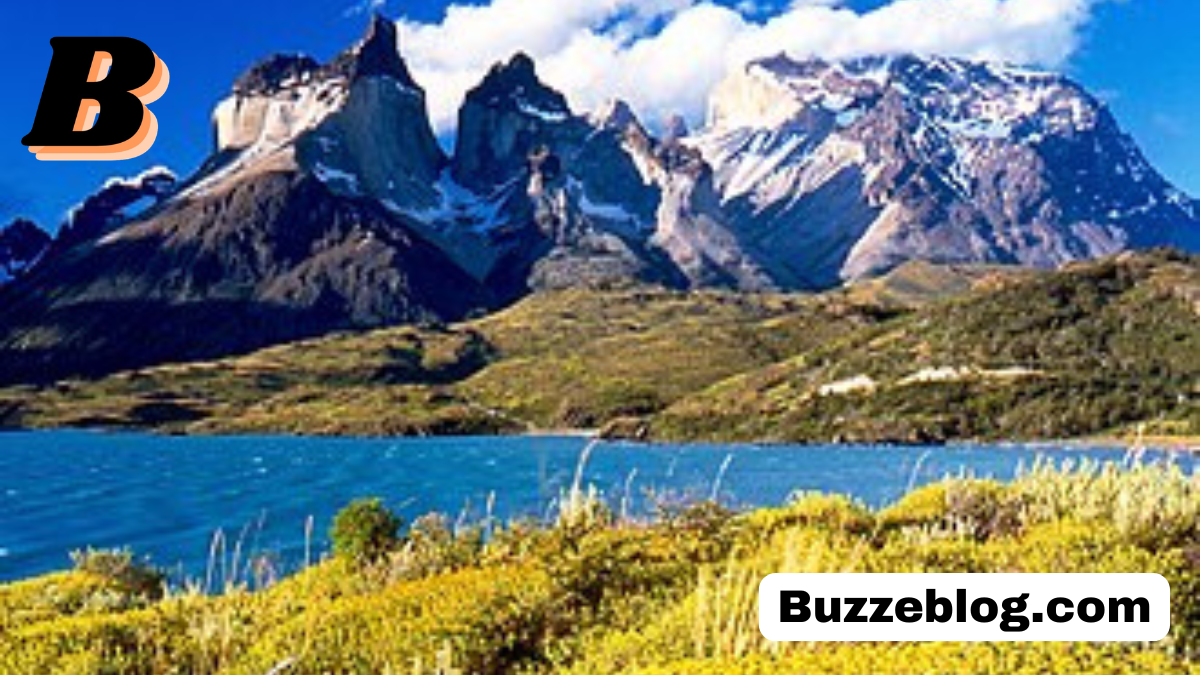
The Russian River Northern California landscape is defined by gentle curves, forested hills, and wide riverbanks that shift with the seasons. During winter and early spring, rainfall swells the river, turning it into a powerful force that shapes the surrounding terrain. In summer, the water calms and becomes ideal for recreation. This seasonal rhythm plays a huge role in the identity of the region.
Redwood forests are one of the most dramatic features along the river. Towering coast redwoods create cool, shaded environments that feel almost cathedral-like. Walking among them offers a humbling perspective. These trees have stood for centuries, silently witnessing the transformation of the region from indigenous lands to agricultural powerhouse to tourism haven. The filtered sunlight and earthy scent of damp forest floor create a sensory experience that’s difficult to replicate anywhere else.
Beyond the forests, rolling vineyards stretch across hillsides in carefully aligned rows. The soil and climate of the Russian River Valley make it ideal for cool-climate grapes, particularly Pinot Noir and Chardonnay. Morning fog from the Pacific Ocean drifts inland, cooling the vines and extending the growing season. This unique microclimate is one of the reasons wines from the region are so highly respected. The natural geography isn’t just beautiful; it directly influences agriculture, tourism, and the local economy.
History of the Russian River Region
:max_bytes(150000):strip_icc()/18126452194_ffae66af6c_o-56a3ed5f5f9b58b7d0d47e36.jpg)
Long before vineyards and vacation homes appeared, the area surrounding the Russian River Northern California was home to Native American tribes, particularly the Pomo people. They lived along the riverbanks, fishing for salmon and gathering acorns and other native plants. The river was not just a water source; it was central to their culture, sustenance, and spiritual life. Evidence of their presence still exists, reminding visitors that the region’s history stretches far beyond its current reputation.
The river’s name dates back to the early 19th century when Russian fur traders from Fort Ross established settlements along the coast. They hunted sea otters and established trading routes. Although the Russian presence was relatively brief, the name endured. Over time, American settlers moved in, developing farms and eventually vineyards as agriculture became more organized and commercialized.
By the late 19th and early 20th centuries, the Russian River Northern California area began attracting visitors seeking respite from urban life. Resorts and vacation cabins were built along the riverbanks. Families from San Francisco traveled north to swim, fish, and enjoy the forested surroundings. Even today, remnants of vintage river resorts and cabins reflect that long-standing tradition of leisure. The modern tourism industry may look more refined, but its roots lie in those early river vacations.
The Russian River Valley Wine Region
The Russian River Valley is one of the most celebrated American Viticultural Areas in the country. When people speak of Russian River Northern California, wine is almost always part of the conversation. The region’s climate is shaped by coastal fog that travels inland through the Petaluma Gap and along the river corridor. That fog cools the vineyards in the morning and evening, creating ideal conditions for grapes that thrive in moderate temperatures.
Pinot Noir is arguably the star of the show here. The grape requires a delicate balance of sunlight and cool air, and the Russian River Valley provides exactly that. Wines from this region are often described as elegant, layered, and expressive. They can carry notes of cherry, raspberry, forest floor, and subtle spice. Chardonnay also performs exceptionally well, offering bright acidity balanced by creamy textures depending on winemaking style.
Winemaking in Russian River Northern California blends tradition and innovation. Many wineries are family-owned and focus on small-batch production. Others have grown into internationally recognized brands while maintaining strong ties to the local community. Visiting tasting rooms often feels intimate rather than commercial. You can talk directly with staff who understand both the science and artistry behind each bottle. This combination of technical expertise and genuine hospitality defines the wine culture of the region.
Outdoor Recreation Along the River
One of the most appealing aspects of Russian River Northern California is how accessible outdoor recreation is. Kayaking and canoeing are extremely popular during the warmer months. The gentle current allows beginners to navigate comfortably while still providing enough movement to feel adventurous. Floating downriver on an inner tube is practically a summer tradition, especially near Guerneville.
Hiking trails wind through redwood groves and along scenic ridgelines, offering panoramic views of valleys and vineyards. Trails vary in difficulty, making them suitable for casual walkers and experienced hikers alike. Many parks and preserves are maintained with environmental protection in mind, ensuring that wildlife habitats remain intact while still welcoming visitors.
Fishing also plays a role in the region’s recreational identity. The river has historically supported salmon and steelhead populations. Conservation efforts aim to preserve these species and maintain ecological balance. Even if you’re not an angler, simply watching the river’s surface shift in the golden light of late afternoon is deeply calming. The outdoor lifestyle here feels unforced and natural rather than curated.
Charming Towns Along the Russian River Northern California
The towns scattered along the Russian River Northern California corridor are part of what makes the region feel so personal and inviting. Each one has its own character, shaped by history, geography, and the people who call it home. None feel overly commercialized, yet each offers enough amenities to make visitors comfortable. These small communities create a rhythm along the river that blends rustic charm with modern creativity.
Guerneville is often considered the heart of the Russian River area. Nestled among towering redwoods, it has long been a popular getaway destination. The town offers a mix of historic lodges, boutique inns, quirky shops, and laid-back restaurants. During summer, the atmosphere is lively with visitors tubing down the river or relaxing at local beaches. Yet even in peak season, there’s a sense of ease rather than chaos. Guerneville has also built a strong reputation as an inclusive and welcoming community, particularly for LGBTQ+ travelers.
Further west, Monte Rio feels quieter and more residential. Its tree-lined streets and vintage river cottages evoke the early 20th-century vacation era. The historic movie theater in town still operates, adding to the nostalgic charm. Monte Rio appeals to those who want a peaceful retreat surrounded by nature while still remaining close to river access.
At the point where the river meets the Pacific Ocean lies Jenner. This small coastal settlement offers dramatic ocean views and windswept bluffs. The meeting of freshwater and saltwater creates a unique ecosystem that attracts birdwatchers and photographers. The scenery here feels expansive and wild compared to the forested intimacy upstream. Together, these towns form a varied yet cohesive experience that defines Russian River Northern California living.
Seasonal Changes and Best Times to Visit
The Russian River Northern California region transforms with the seasons, and understanding these shifts helps visitors plan the ideal trip. Spring brings vibrant greenery as winter rains fade and wildflowers emerge along hillsides. The river runs fuller during this period, and temperatures are mild. It’s an excellent time for hiking and photography because the landscape appears refreshed and alive.
Summer is the most popular season. Warm days and cooler evenings make it perfect for swimming, kayaking, and tubing. The water levels typically stabilize, creating safe conditions for recreational use. Wineries are in full swing, and outdoor events become more frequent. The energy during summer feels celebratory but not overwhelming, particularly compared to larger tourist destinations.
Autumn carries a different magic entirely. Harvest season in the vineyards fills the air with activity. Golden hues replace summer greens, and the pace feels slightly slower. Wine enthusiasts often prefer fall because tasting rooms are less crowded, and the agricultural side of the region becomes visible. Winter, while quieter, offers misty mornings and dramatic skies that highlight the river’s reflective beauty. Each season adds a unique layer to the Russian River Northern California experience.
Culinary Culture and Farm-to-Table Influence
The culinary scene in Russian River Northern California is deeply connected to its agricultural surroundings. Sonoma County is known for its commitment to local sourcing, and restaurants along the river reflect that philosophy. Chefs often build menus around seasonal produce, artisanal cheeses, sustainably raised meats, and freshly caught seafood from the nearby coast.
Dining here tends to feel thoughtful rather than flashy. Even upscale establishments emphasize authenticity and quality over spectacle. Many restaurants maintain close relationships with local farmers and winemakers, creating a community-driven food culture. The result is cuisine that feels grounded in place, whether it’s a wood-fired pizza topped with heirloom tomatoes or a refined tasting menu paired with Russian River Valley wines.
Beyond formal dining, small bakeries, roadside produce stands, and casual cafés contribute to the region’s flavor. Morning coffee in a redwood-shaded patio, followed by a picnic assembled from local cheeses and fresh bread, captures the relaxed culinary spirit. Food in Russian River Northern California isn’t just about taste; it reflects the values of sustainability, craftsmanship, and regional pride.
Environmental Conservation and Sustainability
Environmental stewardship is a central concern in the Russian River Northern California region. The river supports diverse ecosystems, including fish species such as salmon and steelhead. Over the years, conservation groups, local governments, and residents have worked to protect water quality and restore habitats. Balancing tourism, agriculture, and environmental preservation requires careful planning.
Vineyards increasingly adopt sustainable and organic farming practices to reduce chemical runoff and conserve resources. Water management remains particularly important, especially during drought years. Responsible irrigation and soil management techniques help maintain long-term vineyard health without compromising the river system.
Community initiatives also focus on forest conservation and wildfire resilience. Given California’s evolving climate challenges, maintaining healthy forests and riverbanks is essential. Visitors often notice informational signage encouraging responsible recreation, such as packing out trash and respecting wildlife habitats. These efforts demonstrate that Russian River Northern California isn’t just a scenic destination; it’s a region actively working to safeguard its future.
Cultural Events and Local Identity
Although the Russian River Northern California area feels tranquil, it hosts a variety of cultural events throughout the year. Wine festivals, art shows, live music performances, and seasonal markets bring communities together. These gatherings reinforce the region’s creative and collaborative spirit.
Artistic expression thrives in small galleries and studios tucked into towns like Guerneville. Local artists draw inspiration from the river’s light, forest textures, and vineyard landscapes. Community theaters and music venues offer intimate experiences that contrast with the scale of major city entertainment. Instead of massive productions, you get authentic, personal performances that feel connected to place.
The identity of the region blends agricultural heritage, environmental awareness, and creative expression. Residents tend to value individuality and inclusivity. This atmosphere contributes to the welcoming vibe visitors often describe. Russian River Northern California feels like a place where different lifestyles coexist harmoniously, united by appreciation for natural beauty and good living.
Practical Travel Tips for Visiting
Planning a visit to Russian River Northern California is relatively straightforward, but a few practical tips enhance the experience. Transportation typically requires a car, as public transit options are limited. The scenic drive through Sonoma County becomes part of the adventure, with winding roads offering glimpses of vineyards and forests.
Accommodations range from rustic cabins and riverfront cottages to boutique inns and small luxury lodges. Booking in advance is wise during summer and harvest season, as availability fills quickly. If you prefer a quieter atmosphere, consider visiting during late spring or early fall when crowds thin but weather remains pleasant.
When enjoying river activities, safety should remain a priority. Always check water levels and weather conditions before kayaking or swimming. Respect posted guidelines and conservation rules. Bringing layers is also recommended, as coastal fog can cool evenings unexpectedly. A flexible itinerary works best here, allowing time to wander and discover hidden spots along the river.
Why Russian River Northern California Remains Timeless
There’s a reason people return to Russian River Northern California year after year. It’s not driven by flashy attractions or manufactured experiences. Instead, it’s rooted in authenticity. The river flows at its own pace, shaping both landscape and lifestyle. Vineyards follow seasonal cycles, and small towns maintain traditions while gradually evolving.
The balance between sophistication and simplicity defines the region. You can sip award-winning wine in the afternoon and watch the sunset over the Pacific in near silence. You can hike among ancient redwoods in the morning and dine on locally sourced cuisine by evening. The transitions feel seamless rather than forced.
Ultimately, Russian River Northern California represents a way of life centered on appreciation. Appreciation for land, for craftsmanship, for community, and for slowing down long enough to notice details. It is both a destination and a mindset. Once experienced, it leaves a lasting impression that feels less like a vacation memory and more like a personal connection.
FAQs
Where is the Russian River in Northern California located?
It flows through Sonoma County from Mendocino County to the Pacific Ocean near Jenner.
What is the Russian River Valley known for?
It is famous for world-class Pinot Noir and Chardonnay wines.
Is the Russian River good for kayaking and tubing?
Yes, the calm summer waters make it ideal for kayaking, canoeing, and floating.
When is the best time to visit Russian River Northern California?
Summer is most popular, but spring and fall offer fewer crowds and beautiful scenery.
Are there redwood forests near the Russian River?
Yes, towering coast redwoods line many sections of the river corridor.
Is Russian River Northern California family-friendly?
Yes, it offers safe outdoor recreation, small-town charm, and welcoming communities.
How far is Russian River from San Francisco?
It is approximately a two-hour drive north of San Francisco.
Also read: KC Athletics: Complete History, Legacy & Impact Guide (2026)