
Introduction to Shepherds Crook
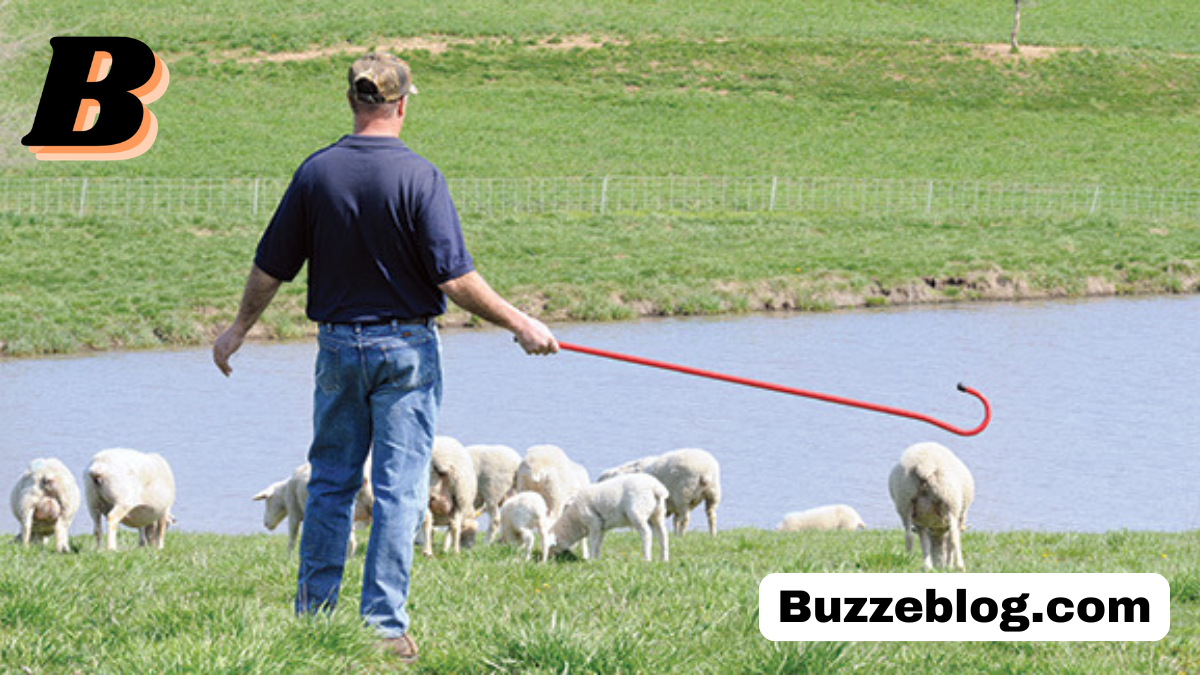
Shepherds crook is one of the most recognizable traditional tools associated with pastoral life. At its core, it is a long wooden staff with a curved hook at the top, designed specifically for managing sheep. While simple in appearance, shepherds crook represents centuries of agricultural knowledge, craftsmanship, and cultural symbolism. It is not merely a stick with a bend; it is a refined tool shaped by practical experience in the field.
For generations, shepherds depended on this tool daily. Whether guiding flocks across hills, separating animals for inspection, or maintaining balance on uneven ground, shepherds crook served multiple purposes. Its design reflects a deep understanding of animal behavior and landscape challenges. Even today, despite technological advancements in farming, the traditional crook remains relevant in many rural communities.
Beyond functionality, shepherds crook has grown into a cultural and symbolic object. It appears in religious imagery, historical art, and leadership metaphors. The term itself evokes pastoral life, responsibility, and guardianship. Understanding shepherds crook requires looking at both its physical design and the broader meanings attached to it over time.
The Functional Design of Shepherds Crook
The defining feature of shepherds crook is its curved top. This hook is carefully shaped to allow a shepherd to catch a sheep gently around the neck or leg without causing injury. The curve provides control without force, making it possible to guide or restrain an animal safely. The shape is practical rather than decorative, developed through generations of hands-on experience.
The shaft of shepherds crook is typically long and sturdy. Its length allows the shepherd to reach animals from a short distance and maintain control in open fields. It also doubles as a walking staff, offering balance and support on rocky hillsides or uneven terrain. Shepherds often spend long hours outdoors, and this dual function makes the crook especially valuable.
Material selection is crucial in making shepherds crook durable and reliable. Traditional crooks are made from strong yet flexible woods such as ash or hazel. These woods can bend without splitting, which is essential for forming the curved hook. In some cases, a metal tip is added to the base to prevent wear on rough ground. Every detail of shepherds crook is rooted in practical necessity.
Historical Origins of Shepherds Crook
The origins of shepherds crook trace back to the early development of pastoral societies. As humans began domesticating sheep thousands of years ago, they needed effective tools to manage their flocks. Early versions of the crook were likely simple branches with natural bends, gradually refined into more deliberate shapes over time.
Ancient civilizations provide evidence of similar staffs. In ancient Egypt, rulers were depicted holding a crook-like staff as a symbol of authority and care. Although these ceremonial objects had symbolic meaning, they were inspired by the practical tool used by shepherds. This connection shows how deeply pastoral life influenced early societies.
During the medieval period in Europe, shepherds crook became a standard piece of equipment. As sheep farming expanded, particularly in regions known for wool production, the crook became essential for daily management. Over centuries, regional styles developed, reflecting local materials, climate, and craftsmanship traditions.
Craftsmanship and Making Process
Creating shepherds crook requires skill and patience. Craftsmen begin by selecting a suitable piece of wood, usually a straight sapling that is healthy and free of cracks. The wood must be both strong and flexible to allow bending without breaking. This selection process is critical because the quality of the wood determines the crook’s longevity.
To form the signature hook, the wood is often steamed to make it pliable. Once softened, it is bent carefully around a mold or form and secured until it cools and dries. This shaping stage requires precision; too much pressure can cause splitting, while too little can result in an improper curve. After drying, the wood retains its curved shape permanently.
Finishing touches involve smoothing the shaft and refining the handle for comfort. In some traditions, horn from a ram is added to the handle, creating a distinctive look. Decorative carving may also be applied, turning shepherds crook into a piece of art as well as a tool. The craftsmanship reflects pride in both functionality and heritage.
Shepherds Crook in Religion and Symbolism
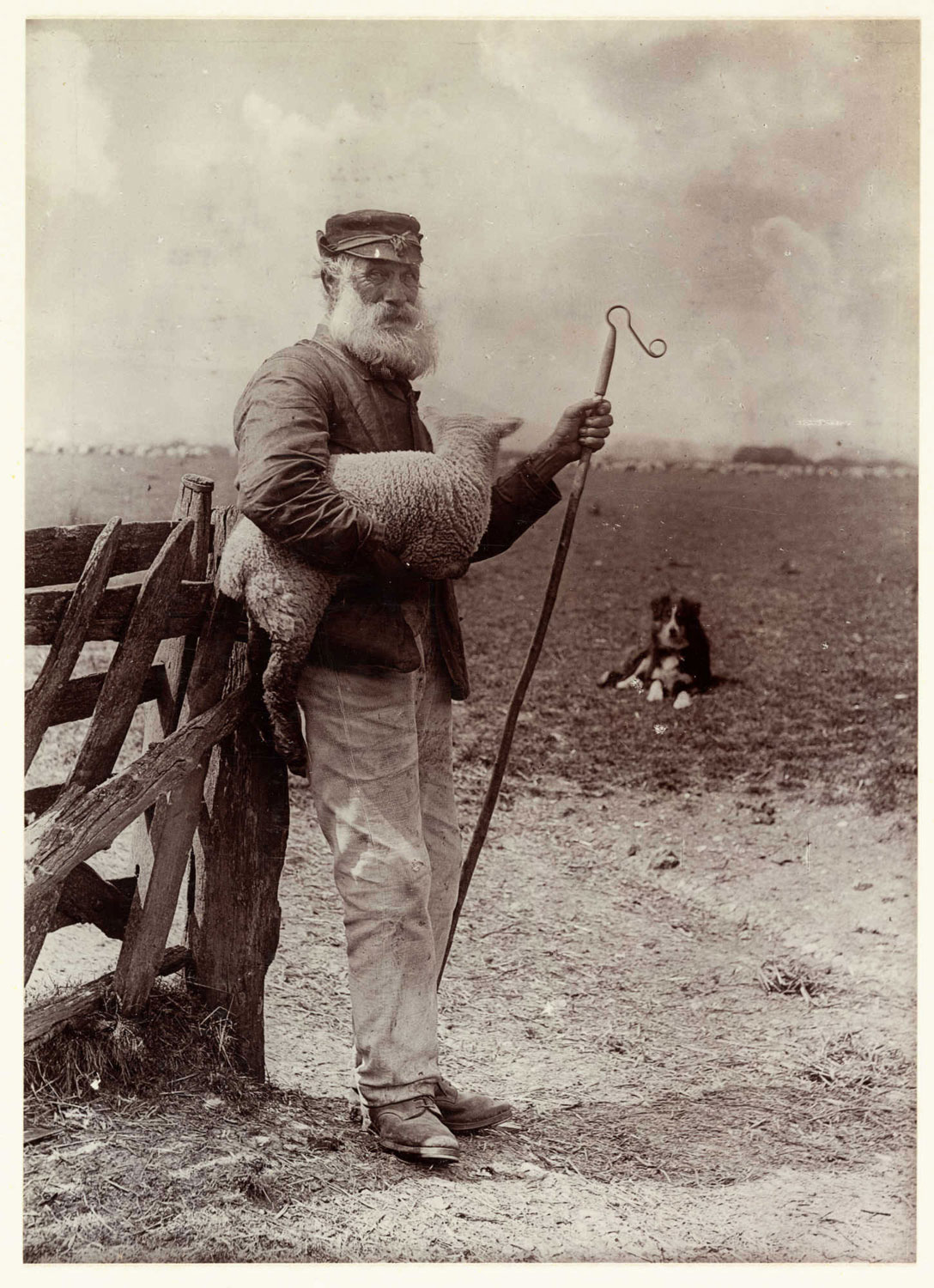
Shepherds crook carries strong symbolic meaning, especially in religious contexts. In Christianity, the shepherd is a metaphor for guidance and care, and the crook represents the means of providing that guidance. Religious leaders often carry a staff resembling shepherds crook, symbolizing their role as caretakers of their communities.
The curved design suggests protection rather than force. It implies drawing someone back from danger rather than pushing them forward. This gentle image has made shepherds crook a powerful symbol of responsible leadership and compassion. It emphasizes care, oversight, and moral responsibility.
Beyond Christianity, similar staff symbols appear in ancient cultures, representing authority combined with nurturing leadership. Shepherds crook bridges the gap between daily agricultural work and spiritual metaphor, making it one of the most enduring symbolic tools in human history.
Regional Variations and Cultural Differences
Although the basic structure remains consistent, shepherds crook varies by region. In the British countryside, crooks often feature polished horn handles and carefully shaped curves. These are sometimes displayed at agricultural fairs, where craftsmanship is celebrated alongside practical skill.
In Mediterranean and mountainous regions, the emphasis may be on durability and length rather than decoration. Crooks designed for rocky landscapes may be thicker and reinforced. In flatter areas, lighter versions may be preferred for ease of use during long herding sessions.
These variations demonstrate how shepherds crook adapts to environment and culture. Each region shapes the tool according to its specific needs, yet the core concept remains the same: a curved staff designed for guiding sheep effectively and humanely.
Shepherds Crook in Literature and Art
In literature, shepherds crook often appears as a symbol of rural life. Pastoral poetry frequently references the crook to evoke images of open fields, grazing flocks, and harmony with nature. Writers use it to represent simplicity, patience, and connection to the land.
Artists throughout history have included shepherds crook in paintings and sculptures. During the Renaissance and Romantic periods, shepherds were commonly portrayed holding crooks, reinforcing their identity and role. These artistic representations often romanticize pastoral life, presenting it as peaceful and idealized.
Modern storytelling continues to use shepherds crook metaphorically. It symbolizes leadership, responsibility, and guidance. Even for audiences far removed from farming life, the image remains clear and meaningful.
Modern Relevance of Shepherds Crook
In contemporary agriculture, mechanization has reduced reliance on traditional tools. However, shepherds crook still has practical value in many small-scale and traditional farming operations. Some shepherds prefer it for close handling of sheep, especially when working individually with animals.
Shepherds crook also plays a role in ceremonies, historical reenactments, and cultural festivals. It appears in nativity scenes and theatrical productions, reinforcing its connection to pastoral heritage. In these contexts, the crook functions more as a symbol than a working tool.
Additionally, there is renewed interest in handcrafted rural tools. Artisan markets and rural exhibitions showcase finely made crooks as examples of heritage craftsmanship. Collectors appreciate shepherds crook for its historical significance and aesthetic appeal.
Leadership and Metaphorical Meaning
The metaphor of the shepherd guiding a flock has endured for centuries, and shepherds crook is central to that image. It represents guidance delivered with care rather than dominance. The hook suggests pulling someone back to safety instead of forcing them forward.
In business and organizational language, leaders are sometimes described as shepherds who guide their teams. Shepherds crook becomes a symbol of mentorship and stewardship. This metaphor resonates because it emphasizes responsibility and attentiveness.
Even outside formal leadership contexts, shepherds crook can symbolize protection and guidance in personal relationships. Its imagery remains powerful because it draws on universal experiences of care and direction.
Preserving the Legacy of Shepherds Crook
As rural traditions evolve, preserving the knowledge and craftsmanship behind shepherds crook is important. Craft guilds and rural heritage organizations document traditional methods of crook making. Agricultural shows often include competitions that highlight both design and functionality.
Educational programs use shepherds crook as a way to teach about pastoral history and agricultural development. By studying this tool, people gain insight into how communities adapted to their environments and developed sustainable practices.
The future of shepherds crook may include subtle innovations, but its fundamental design is unlikely to change. Its simplicity and effectiveness have stood the test of time. Shepherds crook remains a reminder that some tools achieve lasting relevance through thoughtful design and practical wisdom.
FAQs
What is shepherds crook used for?
Shepherds crook is used to guide, catch, and manage sheep safely in pastoral settings.
Why does shepherds crook have a curved top?
The curved hook allows gentle control of sheep without causing harm.
Is shepherds crook still relevant today?
Yes, it is still used in traditional farming and cultural events.
What materials are used to make shepherds crook?
It is commonly made from strong, flexible woods like ash or hazel.
What does shepherds crook symbolize?
It symbolizes guidance, protection, leadership, and pastoral care.
Also read: Spitsbergen Jan Mayen: A Complete Expert Guide to the Arctic’s Remote Frontier