Introduction to Small Dead Animals
The phrase small dead animals might sound strange or uncomfortable at first, but it is actually an important concept in nature and science. Around the world, small animals such as insects, birds, rodents, and reptiles naturally die every day. Their bodies do not simply disappear. Instead, they become part of a natural process that supports ecosystems and helps life continue on Earth.
In the natural world, nothing truly goes to waste. When small animals die, they become food for scavengers and decomposers. This process helps recycle nutrients back into the soil, which supports plant growth and maintains the balance of ecosystems. Without this cycle, forests, fields, and oceans would quickly become filled with waste and nutrients would stop circulating.
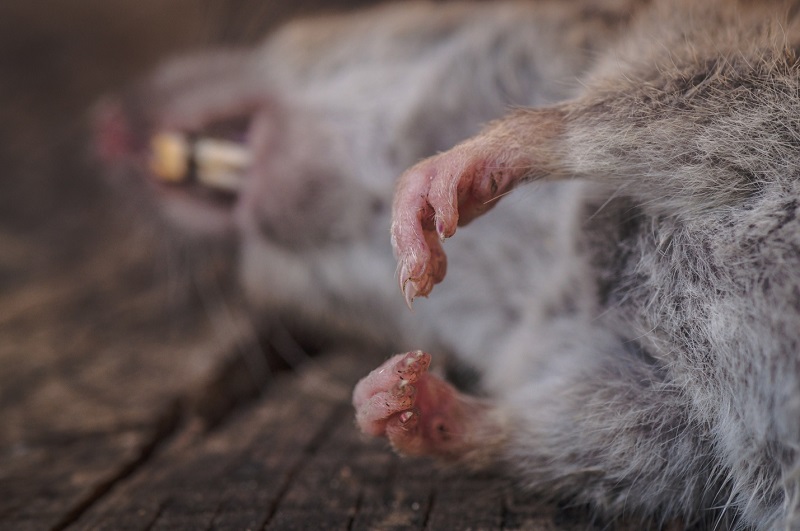
People often encounter small dead animals in daily life. You might see a dead bird on the roadside, a mouse in a garden, or an insect on a windowsill. These sightings may seem unpleasant, but they are actually part of the normal cycle of life and death that keeps nature functioning smoothly.
Understanding the role of small dead animals helps us appreciate the hidden systems that keep ecosystems healthy. From supporting soil fertility to feeding other creatures, these tiny remains play a surprisingly important role in the natural world.
The Natural Cycle of Life and Death
Life on Earth follows a continuous cycle that includes birth, growth, death, and renewal. Small animals are a key part of this cycle. Because they reproduce quickly and have shorter lifespans than larger animals, their populations constantly change.
When a small animal dies, its body becomes part of a complex process called decomposition. Decomposers such as bacteria, fungi, and insects break down the animal’s tissues. This process releases nutrients like nitrogen, phosphorus, and carbon back into the environment.
These nutrients then become available to plants, which use them to grow. Herbivores eat the plants, carnivores eat the herbivores, and the cycle continues. Without the breakdown of dead organisms, nutrients would become trapped in bodies and ecosystems would slowly collapse.
Small dead animals are particularly important because they appear in large numbers. Their bodies provide regular and steady sources of nutrients that help maintain ecological balance.
Types of Small Animals Commonly Found Dead
Many different types of small animals can be found dead in natural and urban environments. These animals vary depending on the region, climate, and surrounding habitats.
Insects are the most common small dead animals people encounter. Flies, ants, beetles, and moths often die naturally or after completing their life cycles. Their bodies are quickly consumed by other insects and microorganisms.
Small mammals such as mice, rats, squirrels, and rabbits are also frequently found dead. These animals may die from natural causes, predation, disease, or environmental factors.
Birds, frogs, lizards, and fish can also appear as small dead animals in various locations. Each species contributes to the ecosystem in different ways after death, helping support scavengers and decomposers.
The variety of small dead animals reflects the diversity of life itself. Every species plays a role in maintaining ecological balance, even after death.
The Role of Decomposers in Breaking Down Dead Animals
Decomposition is one of the most important processes in nature, and decomposers are the organisms responsible for carrying it out. Without decomposers, dead animals would accumulate and disrupt ecosystems.
Bacteria are among the first decomposers to act on dead animals. These microscopic organisms break down tissues and release chemicals that begin the decomposition process.
Fungi also play a major role in breaking down organic material. They spread through dead bodies and absorb nutrients as they grow. This helps speed up the decomposition process.
Insects such as beetles, ants, and flies contribute by consuming soft tissues and spreading bacteria. Some insects lay eggs in dead animals, and their larvae help break down the remains even further.
Together, these decomposers transform small dead animals into nutrients that return to the soil and support new life.
Scavengers and Their Connection to Small Dead Animals
Scavengers are animals that feed on dead organisms. Many species rely on small dead animals as an important food source.
Birds such as crows, vultures, and magpies often feed on dead rodents or insects they find in fields and urban areas. These birds help clean the environment by removing carcasses quickly.
Small mammals like raccoons, opossums, and foxes also scavenge when they find dead animals. For them, a dead mouse or bird can provide an easy meal without the effort of hunting.
Even insects act as scavengers. Ants, beetles, and flies quickly gather around dead animals and begin consuming the remains.
By feeding on small dead animals, scavengers prevent the buildup of decaying matter and help maintain environmental cleanliness.
Small Dead Animals in Scientific Research
Small dead animals are sometimes studied by scientists to understand ecosystems, diseases, and environmental changes. Researchers may examine animal remains to learn about population health and habitat conditions.
For example, studying dead birds can help scientists detect environmental pollution or disease outbreaks. Certain chemicals accumulate in animal tissues, allowing researchers to measure environmental contamination.
Researchers also analyze small animal remains to understand predator-prey relationships. Examining bones and tissues can reveal which species are interacting within an ecosystem.
In addition, small dead animals help scientists study decomposition and nutrient cycles. By observing how quickly animals break down, researchers gain insights into soil health and microbial activity.
These studies contribute to our understanding of how ecosystems function and how human activity may be affecting them.
Environmental Factors That Cause Small Animal Deaths
Small animals may die for many different reasons. Natural causes are the most common factor, especially for species with short lifespans.
Predation is one major cause of death. Small animals are often hunted by birds, snakes, cats, and larger mammals. Many of these animals become prey before reaching adulthood.
Weather conditions can also lead to animal deaths. Extreme heat, cold temperatures, storms, or droughts may reduce food availability or create dangerous living conditions.
Human activity is another factor. Traffic, pollution, pesticides, and habitat destruction can cause many small animal deaths each year.
Understanding these factors helps scientists and conservationists protect wildlife populations and reduce unnecessary harm to animals.
Small Dead Animals in Urban Environments
Cities and towns also contain many small animals, which means small dead animals are sometimes found in urban areas. Roads, buildings, and human activity create new risks for wildlife.
Roadside animal deaths are common in cities. Small mammals and birds may be struck by vehicles while crossing streets. These incidents contribute to urban wildlife mortality.
Domestic pets can also play a role. Cats and dogs sometimes catch birds, mice, or lizards, leaving their remains in yards or gardens.
Garbage areas and food waste may attract rodents and insects, increasing the chances of dead animals appearing in these locations.
Proper waste management and wildlife awareness can help reduce animal deaths in urban environments.
Health and Safety Concerns
While small dead animals are a natural part of the environment, they can sometimes pose health risks if handled improperly. Decaying animals may carry bacteria or parasites that can cause illness.
It is important to avoid touching dead animals with bare hands. If removal is necessary, gloves and proper tools should be used.
Dead animals should be placed in sealed bags before disposal. This helps prevent the spread of odors and reduces the risk of contamination.
In some cases, local authorities or animal control services may handle dead animal removal. This is especially important if the animal is large or located in a public area.
Taking basic safety precautions helps protect both people and the environment.
Cultural and Symbolic Meanings
Throughout history, small dead animals have sometimes been interpreted symbolically in different cultures. People may associate them with change, endings, or spiritual messages.
In literature and art, the image of a dead animal can represent the fragility of life or the passage of time. Writers and artists often use such imagery to evoke reflection and emotion.
In some traditions, finding a dead animal may be seen as a reminder of nature’s cycles. It encourages people to respect life and understand that death is a natural part of existence.
Although interpretations vary across cultures, the presence of small dead animals often prompts deeper thoughts about life and nature.
The Importance of Respecting Wildlife
Even after death, animals deserve respect and consideration. Treating small dead animals with care reflects a broader respect for nature and wildlife.
Children and adults alike can learn from observing nature responsibly. Instead of disturbing dead animals, it is better to leave them where they are whenever possible.
In natural areas, dead animals provide food for scavengers and nutrients for plants. Removing them unnecessarily can disrupt local ecosystems.
Education about wildlife helps people understand the importance of every species, including those that have already died.
Respect for animals, living or dead, encourages a healthier relationship between humans and the natural world.
Preventing Unnecessary Animal Deaths
While death is a natural part of life, many animal deaths caused by human activity can be reduced through simple actions.
Drivers can slow down in areas where wildlife crossings are common. This helps prevent collisions with small animals on roads.
Reducing pesticide use can protect insects, birds, and small mammals from harmful chemicals. Many pesticides kill animals indirectly through poisoning.
Creating wildlife-friendly gardens and habitats can provide safe spaces for animals to live and find food.
By making small changes in daily life, people can help reduce unnecessary harm to wildlife populations.
Ecological Lessons from Small Dead Animals
Small dead animals may seem insignificant, but they reveal important lessons about ecology and environmental balance. Their presence shows how interconnected life on Earth truly is.
Every organism, no matter how small, contributes to the functioning of ecosystems. Even in death, animals support other life forms through nutrient recycling.
Observing decomposition helps scientists and students understand biological processes that are otherwise hidden from view.
Small dead animals also remind us that nature operates through cycles rather than permanent states. Death leads to new growth and continued life.
Recognizing these lessons encourages greater respect for natural systems and the delicate balance that sustains them.
Conclusion
Small dead animals are an often overlooked part of the natural world, yet they play a vital role in maintaining ecological balance. Through decomposition and scavenging, their bodies return valuable nutrients to the environment and support countless other organisms.
Although encountering dead animals may feel uncomfortable, it is important to understand that these events are a normal and necessary part of nature’s cycle. Without this process, ecosystems would struggle to function properly.
From scientific research to environmental education, the study of small dead animals offers valuable insights into the interconnected systems that sustain life on Earth.
By respecting wildlife, protecting habitats, and understanding ecological cycles, humans can develop a deeper appreciation for the role that every living—and once-living—creature plays in our world.
FAQs
What are small dead animals commonly found in nature? Small dead animals often include insects, birds, rodents, frogs, and lizards that die naturally in ecosystems.
Why are small dead animals important for ecosystems? They provide nutrients to soil and food for scavengers, helping maintain ecological balance.
Do small dead animals decompose quickly? Yes, bacteria, fungi, and insects usually break them down rapidly in natural environments.
Is it safe to touch a dead animal? It is safer to avoid direct contact and use gloves or tools if handling is necessary.
What should someone do if they find a dead animal at home? The animal should be carefully removed using protective gear and disposed of in a sealed bag.
Also read:Swingarm: The Backbone of Modern Motorcycle Suspension