Introduction to Spitsbergen Jan Mayen
When people search for “Spitsbergen Jan Mayen,” they are usually trying to understand a unique geographic and political term that connects two remote Arctic territories. Although they are often grouped together in certain statistical or administrative contexts, Spitsbergen and Jan Mayen are actually separate Arctic regions under Norwegian sovereignty. Both are cold, isolated, and dramatic in landscape, yet each has its own distinct identity.
Spitsbergen is the largest island in the Svalbard archipelago, located deep in the Arctic Ocean. It is home to settlements, research stations, glaciers, polar bears, and some of the northernmost communities on Earth. Jan Mayen, on the other hand, is a remote volcanic island located between Greenland and Norway in the North Atlantic. It has no permanent civilian population and is primarily used for meteorological and military purposes.
The term “Spitsbergen Jan Mayen” is sometimes used in data systems, international standards, and internet domain classifications to collectively reference these territories. However, geographically, culturally, and administratively, they are distinct places. In this comprehensive guide, we will explore their history, geography, climate, wildlife, governance, tourism, and global importance in depth.
Geography of Spitsbergen
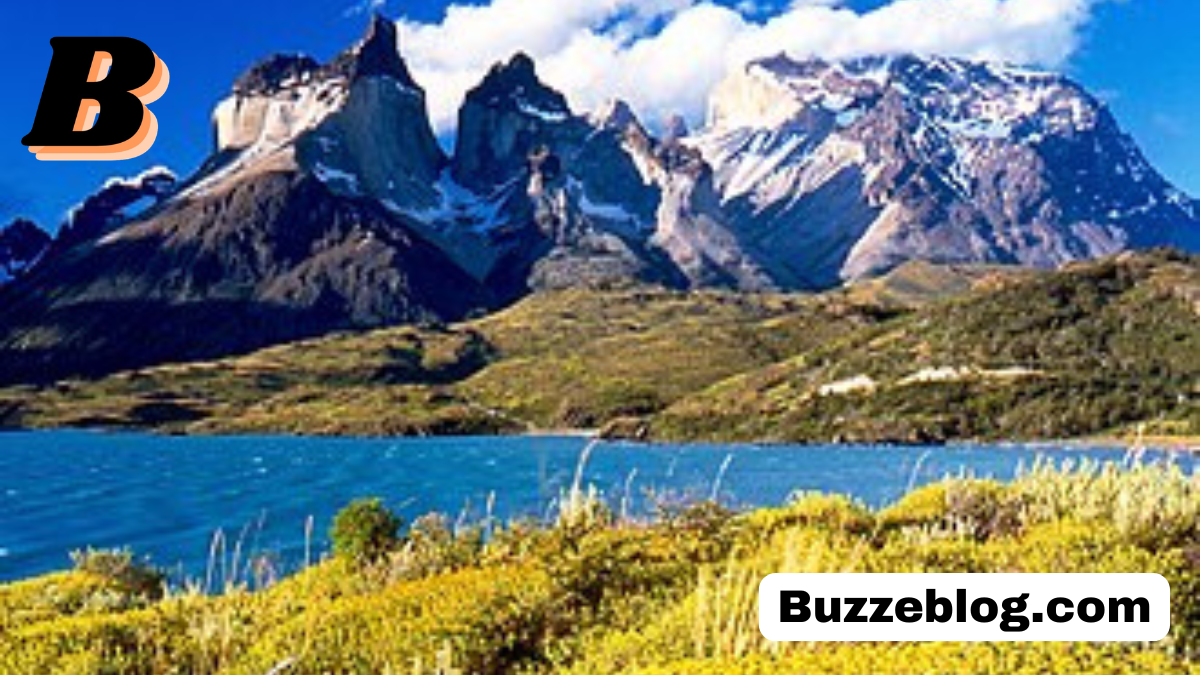
Spitsbergen is part of the Svalbard archipelago, which lies roughly halfway between mainland Norway and the North Pole. The island covers a vast area dominated by rugged mountains, deep fjords, and enormous glaciers. Around 60% of its surface is covered by ice, making it one of the most glaciated areas in the Arctic outside Greenland.
The terrain is dramatic and raw. Sharp peaks rise abruptly from icy waters, while wide tundra plains stretch under endless Arctic skies. During winter, the island enters a period of polar night, where the sun does not rise for months. In contrast, summer brings the midnight sun, with daylight lasting 24 hours a day. This extreme light cycle profoundly shapes life on the island.
The largest settlement on Spitsbergen is Longyearbyen, which serves as the administrative center of Svalbard. Despite its remote location, Longyearbyen has modern infrastructure, including a university center, airport, hospital, and research facilities. The island’s geographic isolation makes it both fragile and fascinating.
Geography of Jan Mayen
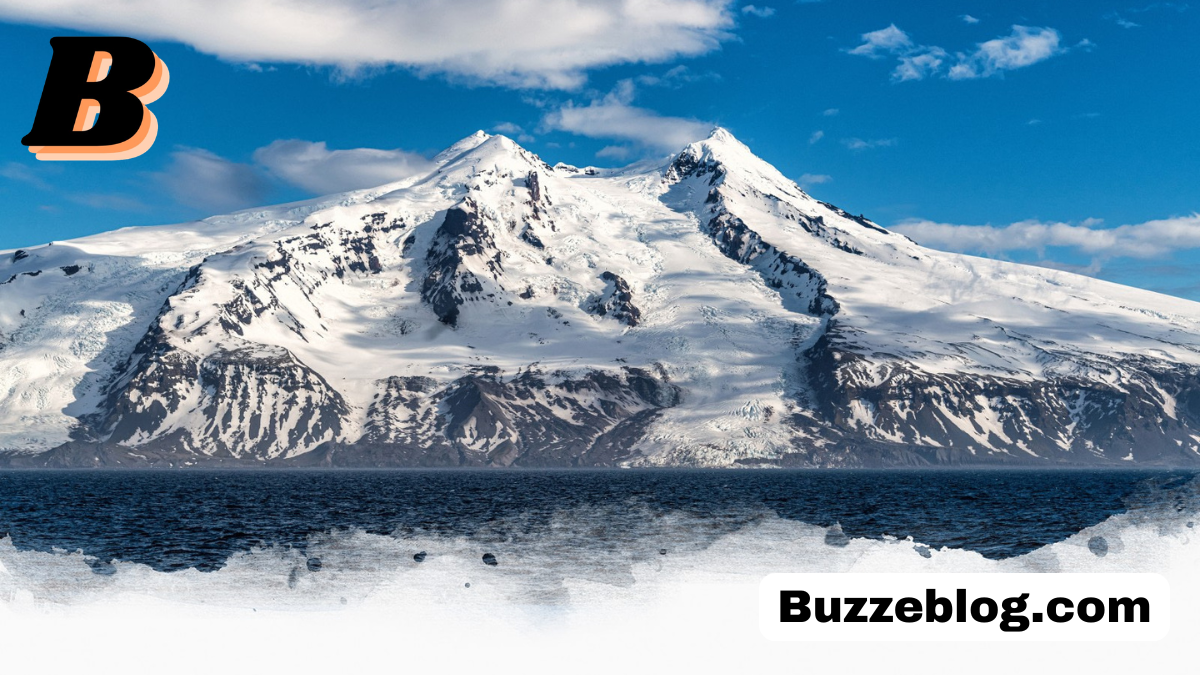
Jan Mayen is a volcanic island located in the North Atlantic Ocean. It sits northeast of Iceland and east of Greenland. Unlike Spitsbergen, Jan Mayen is not part of an archipelago. It stands alone in the ocean, remote and windswept.
The island’s most dominant feature is Beerenberg, a massive stratovolcano that rises more than 2,200 meters above sea level. It is the northernmost active volcano in the world. The volcanic landscape is stark and dramatic, with black lava fields, glaciers, and steep coastal cliffs.
Jan Mayen has no permanent residents. The only people present are staff operating the meteorological station and a small military presence. Access to the island is highly restricted, and tourism is extremely rare. Its isolation has preserved its natural state, making it one of the least disturbed Arctic environments.
Historical Background of Spitsbergen
Spitsbergen was first recorded by European explorers in the late 16th century. The Dutch explorer Willem Barentsz discovered the island in 1596 and named it “Spitsbergen,” meaning “pointed mountains,” due to its sharp peaks.
During the 17th and 18th centuries, the island became a center for whaling. Various European nations established temporary settlements and hunting stations. The intense hunting activity dramatically reduced whale populations in the surrounding waters.
In 1920, the Svalbard Treaty granted Norway sovereignty over the archipelago while allowing citizens of other signatory countries to live and conduct business there. This unique legal framework still governs the region today, making Spitsbergen politically distinct from mainland Norway.
Historical Background of Jan Mayen
Jan Mayen was discovered in the early 17th century, likely by Dutch explorers. It was used intermittently for whaling and hunting, but its harsh conditions made permanent settlement impractical.
In the 20th century, Norway formally claimed Jan Mayen. It became strategically important for meteorological observations and military operations. During World War II, weather data from the Arctic was crucial for naval and aerial planning, increasing the island’s significance.
Today, Jan Mayen remains under Norwegian administration, but it has no civilian government structure like Svalbard. Its role is primarily scientific and strategic rather than residential.
Climate and Environmental Conditions
Both Spitsbergen and Jan Mayen experience Arctic climates, but there are differences due to their locations. Spitsbergen benefits slightly from the North Atlantic Current, which keeps temperatures milder than one might expect at such a high latitude.
Winter temperatures in Spitsbergen can drop below -20°C, while summer temperatures hover just above freezing. Snow covers the landscape for much of the year. Jan Mayen, influenced by oceanic weather systems, experiences strong winds, heavy storms, and frequent fog.
Climate change is having a significant impact on both regions. Glaciers are retreating, sea ice coverage is shrinking, and ecosystems are shifting. Scientists use both territories as critical observation points for studying Arctic warming and its global implications.
Wildlife and Biodiversity

Spitsbergen is famous for its polar bears, which outnumber the human population. These apex predators roam the sea ice in search of seals. Encounters between humans and polar bears are taken very seriously, and residents often carry firearms outside settlements for protection.
Other wildlife includes Arctic foxes, reindeer, walruses, and numerous seabird species. The surrounding waters are rich in marine life, supporting whales and seals. Strict environmental regulations protect these fragile ecosystems.
Jan Mayen also hosts significant seabird colonies. Its cliffs provide nesting grounds for thousands of birds. While polar bears occasionally pass through, the island’s wildlife is more limited due to its size and isolation.
Political and Legal Status
The political status of Spitsbergen is defined by the Svalbard Treaty. Norway governs the territory, but other treaty nations have economic rights there. This makes it a unique international territory within Norwegian sovereignty.
Jan Mayen, in contrast, does not have a treaty framework like Svalbard. It is fully administered by Norway without special international provisions. Its governance is straightforward and centralized.
The term “Spitsbergen Jan Mayen” sometimes appears in international standards such as ISO country codes, which can cause confusion. However, administratively they are separate entities.
Tourism and Travel Considerations
Tourism in Spitsbergen has grown significantly in recent years. Visitors are drawn to glacier expeditions, wildlife safaris, dog sledding, and northern lights viewing. Longyearbyen serves as the gateway for Arctic adventure tourism.
Travel to Jan Mayen is extremely limited. Special permission is required, and visits are rare. Its lack of infrastructure and harsh environment make it unsuitable for conventional tourism.
Travelers to Spitsbergen must be prepared for extreme weather, strict environmental rules, and potential wildlife risks. Despite these challenges, it remains one of the most extraordinary travel destinations in the Arctic.
Scientific and Strategic Importance
Both territories play important roles in Arctic research. Spitsbergen hosts international research stations studying climate change, glaciology, marine biology, and atmospheric science.
Jan Mayen’s meteorological station provides valuable weather data for the North Atlantic region. Its location is strategically useful for monitoring oceanic and atmospheric conditions.
As Arctic sea routes become more accessible due to melting ice, both regions may gain increased geopolitical importance. Their remote positions place them at the center of evolving Arctic policy discussions.
Conclusion
Spitsbergen Jan Mayen represents two of the most remote and fascinating territories under Norwegian sovereignty. While often grouped together in technical classifications, they are geographically and administratively distinct.
Spitsbergen is a semi-populated Arctic island known for research, tourism, and unique international legal status. Jan Mayen is a remote volcanic island with strategic and scientific value but no permanent civilian population.
Together, they symbolize the raw beauty, fragility, and strategic complexity of the Arctic frontier. Understanding their geography, history, and importance offers insight into the changing dynamics of the far north.
FAQs
Is Spitsbergen the same as Jan Mayen?
No, they are separate Arctic territories under Norwegian sovereignty.
Can tourists visit Jan Mayen?
Tourism is extremely limited and requires special permission.
Who governs Spitsbergen?
Norway governs it under the Svalbard Treaty framework.
Why are Spitsbergen and Jan Mayen sometimes grouped together?
They are combined in certain international standards and statistical codes.
Are there people living in Jan Mayen?
Only temporary staff operate the meteorological station; there is no permanent civilian population.
Also read: Bus Barn: The Complete Expert Guide to Purpose, Design, Operations, and Community Impact