Introduction to Stage Pin Connectors
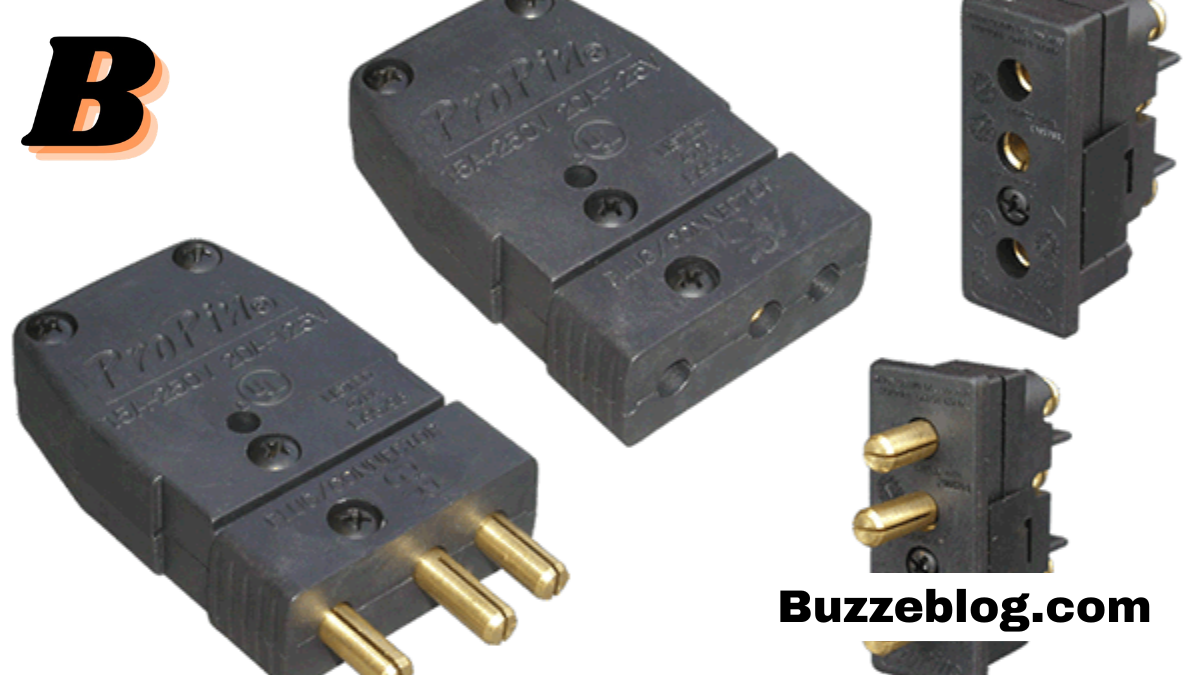
Stage pin connectors are one of the most essential yet often overlooked components in theatrical lighting systems. If you have ever been backstage at a theater production, live concert, or television studio, chances are you have seen thick cables connected using these distinctive plugs. A stage pin connector is a rugged electrical connector primarily used in entertainment lighting to deliver power safely and reliably.
At its core, a stage pin is designed to handle high currents, typically in lighting setups where fixtures such as Fresnels, PAR cans, and ellipsoidal lights require consistent and stable electrical supply. Unlike household plugs, stage pins are built to withstand demanding environments, frequent plugging and unplugging, and rough handling. This makes them an industry standard in theaters across North America and several other regions.
What makes stage pins particularly interesting is their simplicity and durability. They do not rely on complex locking mechanisms or delicate parts. Instead, they use solid metal pins housed in a sturdy casing. This design ensures long-term reliability, which is critical in live performances where equipment failure is not an option.
The History and Evolution of Stage Pin Connectors
The development of stage pin connectors dates back to the early days of theatrical lighting when the need for standardized power connections became evident. Before standardized connectors, electricians often used makeshift wiring solutions, which posed safety risks and caused inconsistencies in lighting setups.
As theater productions grew more complex, so did the demand for safer and more efficient electrical systems. Stage pin connectors emerged as a solution that combined durability, simplicity, and ease of use. They quickly became the preferred choice in professional theaters due to their ability to handle high electrical loads without overheating.
Over the years, the design of stage pin connectors has remained relatively unchanged. This is a testament to how effective the original design was. While other connector types have evolved with advanced features, stage pins have maintained their classic structure, proving that sometimes simplicity is the best solution.
Today, stage pins are still widely used, although newer connectors like twist-lock and PowerCON are gaining popularity in some applications. However, in traditional theater environments, stage pins remain a trusted standard.
Anatomy of a Stage Pin Connector
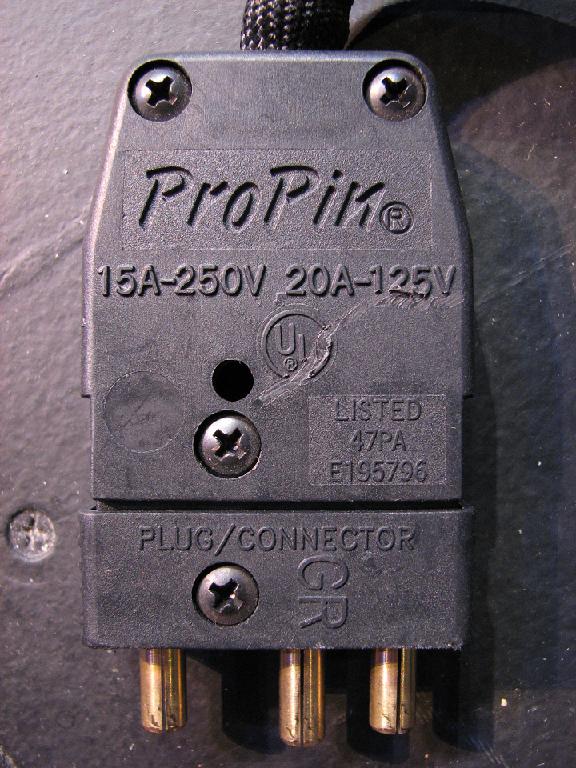
Understanding the structure of a stage pin connector is essential for anyone working in lighting or electrical setups. A typical stage pin connector consists of three main parts: the pins, the housing, and the cable connection.
The pins are usually made of brass or another conductive metal. There are typically two flat pins for the hot and neutral connections, and a round pin for grounding. The ground pin is slightly longer, ensuring it connects first for safety purposes. This design reduces the risk of electrical shock.
The housing is usually made from durable materials such as phenolic resin or heavy-duty plastic. This casing protects the internal components and provides insulation. It is designed to withstand high temperatures and mechanical stress, making it ideal for stage environments.
Inside the connector, the cable is securely attached using screws or clamps. This ensures a solid electrical connection and prevents wires from coming loose during use. Proper assembly of this section is critical for both performance and safety.
Types of Stage Pin Connectors
Stage pin connectors come in several variations, each designed for specific applications. The most common type is the two-pin with ground connector, which is used in standard lighting circuits.
There are also connectors with different amperage ratings, such as 20A, 60A, and even higher capacities for large-scale productions. These variations allow electricians to choose the right connector based on the power requirements of the equipment.
Another variation includes inline connectors and panel-mounted connectors. Inline connectors are used on cables, while panel-mounted versions are installed in lighting panels or dimmer racks. Each type serves a unique purpose within the overall system.
Despite these differences, all stage pin connectors share the same fundamental design principles. This consistency makes them easy to use and maintain across different setups.
How Stage Pin Connectors Work
Stage pin connectors operate on a simple principle: they provide a secure path for electrical current to flow from a power source to a lighting fixture. When the pins are inserted into a matching socket, they establish a connection that allows electricity to pass through.
The flat pins carry the live and neutral currents, while the round pin ensures proper grounding. This grounding is crucial for safety, as it helps prevent electrical faults and protects users from shocks.
One of the key advantages of stage pin connectors is their ability to handle high loads without significant voltage drop. This ensures that lighting fixtures receive consistent power, which is essential for maintaining brightness and performance.
Additionally, the tight fit of the pins ensures minimal resistance, reducing heat buildup and increasing efficiency. This makes stage pins a reliable choice for demanding environments.
Advantages of Using Stage Pin Connectors
Stage pin connectors offer several advantages that make them a preferred choice in theatrical lighting. One of the most significant benefits is their durability. These connectors are built to withstand heavy use, making them ideal for environments where equipment is frequently moved and handled.
Another advantage is their simplicity. Unlike more complex connectors, stage pins are easy to use and require minimal training. This makes them accessible to both professionals and beginners in the field.
Safety is another key benefit. The grounded design and robust construction reduce the risk of electrical hazards. This is particularly important in live performance settings where safety is a top priority.
Finally, stage pin connectors are cost-effective. Their long lifespan and low maintenance requirements make them a practical investment for theaters and production companies.
Common Applications of Stage Pin Connectors
Stage pin connectors are primarily used in theatrical lighting, but their applications extend beyond that. They are commonly found in concert venues, television studios, and film production sets.
In theaters, they are used to connect lighting fixtures to dimmer systems. This allows lighting designers to control brightness levels and create dynamic effects during performances.
In television studios, stage pins are used for studio lighting setups. Their reliability ensures consistent lighting, which is crucial for high-quality video production.
Film production also relies on stage pin connectors for powering various lighting equipment. Their ability to handle high loads makes them suitable for large-scale setups.
Stage Pin vs Other Connector Types
When comparing stage pin connectors to other types, several differences stand out. For example, twist-lock connectors offer a locking mechanism that prevents accidental disconnection. However, they are more complex and can be harder to use.
PowerCON connectors are another alternative, known for their compact design and secure connection. While they are gaining popularity, they are not as widely used in traditional theater settings.
Stage pin connectors, on the other hand, prioritize simplicity and durability. They may not have advanced features, but they excel in reliability and ease of use.
Choosing the right connector depends on the specific needs of the application. For traditional theater setups, stage pins remain a top choice.
Installation and Wiring of Stage Pin Connectors
Installing a stage pin connector requires careful attention to detail. The first step is to strip the cable and expose the wires. Each wire must be properly identified to ensure correct connections.
The wires are then attached to the corresponding terminals inside the connector. It is important to tighten the screws securely to prevent loose connections.
Once the wiring is complete, the connector housing is assembled. This step ensures that all components are protected and securely held in place.
Proper installation is crucial for safety and performance. Incorrect wiring can lead to electrical faults and equipment damage.
Maintenance and Safety Tips
Maintaining stage pin connectors is essential for ensuring their longevity and safety. Regular inspections should be conducted to check for signs of wear or damage.
Cleaning the connectors is also important. Dust and debris can accumulate over time, affecting performance. A simple wipe with a dry cloth is usually sufficient.
It is also important to check the cables for any signs of fraying or damage. Damaged cables should be replaced immediately to prevent accidents.
Finally, always follow safety guidelines when working with electrical equipment. This includes turning off power before making any connections or repairs.
Troubleshooting Common Issues
Despite their reliability, stage pin connectors can sometimes encounter issues. One common problem is loose connections, which can cause flickering lights or power loss.
Another issue is overheating, which may occur if the connector is overloaded or poorly maintained. This can damage both the connector and the connected equipment.
Corrosion is another potential problem, especially in humid environments. Regular cleaning and proper storage can help prevent this.
Identifying and addressing these issues promptly is essential for maintaining a safe and efficient lighting system.
Future of Stage Pin Technology
While newer connector types are emerging, stage pin connectors continue to hold their place in the industry. Their proven reliability and simplicity make them difficult to replace.
However, advancements in materials and design may lead to improved versions of stage pin connectors. These improvements could enhance durability and performance while maintaining the core design.
The future may also see increased integration with modern lighting systems. This could include compatibility with digital control systems and smart lighting technologies.
Despite these changes, the fundamental principles of stage pin connectors are likely to remain the same.
Expert Tips for Working with Stage Pin Connectors
Working with stage pin connectors requires both knowledge and experience. One important tip is to always use connectors that match the amperage requirements of your equipment.
Proper cable management is also essential. Keeping cables organized reduces the risk of damage and makes setups more efficient.
Another tip is to label connectors and cables. This helps identify connections quickly, especially in complex setups.
Finally, always prioritize safety. Using high-quality connectors and following best practices ensures a reliable and safe working environment.
Conclusion
Stage pin connectors are a cornerstone of theatrical lighting systems. Their durability, simplicity, and reliability make them an indispensable tool for professionals in the entertainment industry.
From their historical origins to their modern applications, stage pins have proven their value time and time again. While new technologies continue to emerge, the classic design of stage pin connectors remains relevant and widely used.
Understanding how they work, how to install them, and how to maintain them is essential for anyone involved in lighting and electrical setups. With proper care and usage, stage pin connectors can provide years of reliable service.
FAQs
What is a stage pin connector used for?
It is used to supply power to theatrical lighting equipment safely.
Are stage pin connectors still used today?
Yes, they are widely used in theaters and entertainment venues.
What are the main parts of a stage pin connector?
Pins, housing, and internal wiring connections.
Is a stage pin connector safe?
Yes, when properly installed and maintained.
Can beginners use stage pin connectors?
Yes, they are simple but require basic electrical knowledge.
What is the difference between stage pin and PowerCON?
Stage pin is simpler and traditional, while PowerCON is modern and compact.
How do you maintain a stage pin connector?
Regular cleaning and inspection for damage.
What causes stage pin connectors to fail?
Loose wiring, overheating, or physical damage.
Are stage pin connectors expensive?
No, they are generally affordable and long-lasting.
Do stage pin connectors support high power loads?
Yes, they are designed for high-current lighting systems.
Also read: Jatoba (Hymenaea courbaril): The Ultimate Guide to the Brazilian Cherry Tree