
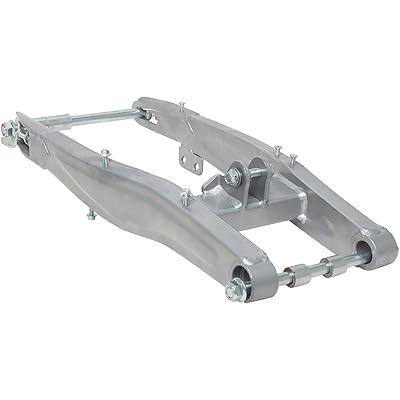
Introduction to Swingarm and Its Importance
A swingarm is one of the most important structural parts of a motorcycle. It is the component that connects the rear wheel to the main frame while allowing controlled movement for suspension. Without a swingarm, motorcycles would not be able to absorb road bumps efficiently or maintain stability while riding. Although many riders focus on engines, brakes, or tires, the swingarm quietly plays a huge role in handling and ride comfort.
In simple terms, a swingarm works like a hinged arm attached to the motorcycle frame. One side holds the rear wheel axle while the other side pivots near the engine frame. This design allows the rear wheel to move up and down when encountering uneven roads. As the wheel moves, the suspension system absorbs shocks, keeping the rider comfortable and the tire in contact with the road.
The swingarm is often called the backbone of the rear suspension system. It provides the structure needed to mount shocks, chain drive components, and sometimes even braking systems. Because it carries heavy loads and constant motion, it must be strong, precisely engineered, and well balanced. Modern motorcycles rely heavily on swingarm technology to deliver smooth rides and accurate handling.
History and Evolution of Swingarm Technology
The development of swingarms is closely tied to the evolution of motorcycles themselves. In the earliest motorcycles during the early twentieth century, rear suspension systems were extremely basic. Many bikes had rigid frames with no rear suspension at all. This meant riders felt every bump on the road, which made long rides uncomfortable and sometimes dangerous.
As motorcycle technology improved, engineers began experimenting with different suspension designs. One of the first improvements was the sprung seat, which allowed the rider’s seat to absorb some shocks. However, the wheel itself still remained fixed to the frame. The real breakthrough came when engineers developed pivoting rear arms that allowed the wheel to move independently from the frame.
By the mid-twentieth century, swingarms became the standard design for motorcycle rear suspension. Manufacturers began using dual shock absorbers connected to a swingarm pivot. This setup greatly improved ride quality and stability. Over time, materials and engineering techniques improved, leading to stronger yet lighter swingarms. Today, modern motorcycles use advanced swingarm designs made from aluminum alloys or even carbon fiber, offering excellent performance and durability.
Basic Structure and Components of a Swingarm
A swingarm may look simple from the outside, but it is actually made up of several carefully engineered components. Each part plays a specific role in maintaining stability, strength, and smooth suspension movement. Understanding these components helps riders appreciate the complexity behind this essential motorcycle part.
The main body of the swingarm is the long arm structure that connects the rear wheel to the motorcycle frame. It usually consists of two arms forming a triangular or rectangular shape. This structure provides strength while keeping the overall weight low. The rear axle passes through the end of the swingarm, securing the rear wheel in place.
Another critical part is the pivot point. This is where the swingarm attaches to the motorcycle frame. The pivot contains bearings that allow the swingarm to move up and down smoothly. These bearings must be well lubricated and properly maintained to prevent friction or damage.
The swingarm also includes mounting points for shock absorbers or linkage systems. These mounts connect the suspension components to the swingarm, allowing them to control wheel movement. Additional features may include chain adjusters, brake mounts, and reinforcement plates. All these elements work together to ensure the motorcycle remains stable, comfortable, and safe during operation.
Types of Swingarms Used in Motorcycles
Motorcycle manufacturers use different types of swingarms depending on the bike’s purpose and design. Each type offers unique advantages in terms of strength, weight, and maintenance. Understanding these variations can help riders recognize how engineering choices affect performance.
The most common design is the double-sided swingarm. In this setup, two arms extend from the frame on either side of the rear wheel. The wheel sits between these arms and is secured by an axle passing through both sides. Double-sided swingarms are known for their strength and durability, making them popular in commuter bikes, sport motorcycles, and touring machines.
Another well-known design is the single-sided swingarm. Instead of supporting the wheel from both sides, this type holds the wheel from only one side. This design allows quick wheel removal and gives the motorcycle a distinctive appearance. Single-sided swingarms are often used in high-end sport bikes and luxury motorcycles.
There are also specialized swingarms designed for racing or off-road use. Some bikes use extended swingarms to improve traction and stability during acceleration. Off-road motorcycles may use reinforced swingarms that can handle rough terrain and heavy impacts. Each type reflects the specific needs of the motorcycle and its intended riding conditions.
Materials Used in Swingarm Construction
The materials used in swingarm construction play a crucial role in determining strength, weight, and durability. Engineers must balance these factors carefully because the swingarm experiences constant stress during riding. Modern manufacturing techniques have allowed the use of advanced materials that improve performance while reducing weight.
Steel was the most common material used in early swingarms. It is strong, durable, and relatively easy to manufacture. Steel swingarms are still used in many commuter motorcycles because they offer good reliability at a lower cost. However, steel can be heavier than other materials, which may affect performance in high-speed or racing motorcycles.
Aluminum alloys are now widely used in modern motorcycles. Aluminum swingarms are lighter than steel while still providing excellent strength. This weight reduction improves handling, acceleration, and fuel efficiency. Many sport bikes use aluminum swingarms to enhance performance and agility.
In high-performance motorcycles and racing machines, carbon fiber and magnesium alloys may also be used. These materials offer extremely high strength-to-weight ratios but are more expensive to produce. As technology advances, manufacturers continue experimenting with new materials to create stronger, lighter, and more efficient swingarms.
How a Swingarm Works in the Suspension System
The swingarm works as a key part of the motorcycle’s rear suspension system. Its main function is to allow the rear wheel to move vertically while maintaining proper alignment with the frame. This movement helps absorb bumps, maintain traction, and provide a comfortable ride for the rider.
When a motorcycle rides over uneven surfaces, the rear wheel moves upward due to the bump. The swingarm pivots around its mounting point near the frame. As it moves upward, the connected shock absorber compresses, absorbing the impact energy. This process prevents the force from transferring directly to the rider.
After the bump passes, the shock absorber expands again, pushing the wheel back down toward the road. The swingarm returns to its normal position, ready for the next movement. This constant cycle of movement and absorption keeps the motorcycle stable and balanced even on rough roads.
The design of the swingarm also affects chain tension and wheel alignment. Engineers must carefully calculate pivot placement and arm length to ensure smooth power delivery from the engine to the rear wheel. This precision helps improve both performance and safety.
Swingarm Geometry and Its Impact on Handling
Swingarm geometry is a critical factor that influences motorcycle handling and stability. Engineers carefully design the length, angle, and pivot position of the swingarm to achieve the desired riding characteristics. Even small changes in geometry can significantly affect how a motorcycle behaves on the road.
The length of the swingarm plays a major role in stability. A longer swingarm provides better traction during acceleration and reduces the chances of wheel lift. This is why drag racing motorcycles often use extended swingarms. However, longer swingarms may slightly reduce agility when turning sharply.
The angle of the swingarm relative to the frame also matters. This angle affects how the suspension reacts during acceleration and braking. Proper geometry ensures that the rear wheel maintains consistent contact with the road, improving grip and control.
Pivot placement is another important consideration. If the pivot is positioned too high or too low, it can affect chain tension and suspension behavior. Engineers spend a great deal of time testing and refining these measurements to achieve the perfect balance between comfort, performance, and safety.
Maintenance and Care of a Swingarm
Although swingarms are built to be durable, they still require proper maintenance to ensure long-term performance. Regular inspection and care can prevent problems such as worn bearings, loose bolts, or structural damage. Riders who understand swingarm maintenance can keep their motorcycles running smoothly for many years.
One of the most important maintenance tasks is checking the swingarm pivot bearings. These bearings allow the swingarm to move freely. Over time, dirt, moisture, or lack of lubrication can cause them to wear out. Regular cleaning and lubrication help maintain smooth movement and prevent premature failure.
Chain tension adjustments are another maintenance activity related to the swingarm. Most swingarms include adjusters that allow riders to set proper chain slack. Incorrect chain tension can place extra stress on the swingarm and other drivetrain components.
It is also important to inspect the swingarm for cracks, dents, or corrosion. Any structural damage can compromise safety and handling. Regular visual checks and professional inspections ensure that the swingarm remains strong and reliable.
Swingarms in Racing and High-Performance Motorcycles
In racing motorcycles, the swingarm becomes an even more critical component. Engineers design racing swingarms to maximize traction, stability, and aerodynamic efficiency. Every detail of the swingarm is optimized to gain even the smallest performance advantage.
Racing swingarms are often longer and lighter than standard ones. The extended length helps keep the front wheel on the ground during rapid acceleration. This allows riders to apply more power without losing control. At the same time, lightweight materials reduce overall motorcycle weight, improving speed and agility.
Advanced manufacturing techniques such as CNC machining and robotic welding are commonly used in racing swingarms. These processes ensure high precision and strength. Engineers also use computer simulations to analyze stress distribution and optimize the design.
Many racing teams experiment with adjustable swingarms. These designs allow mechanics to change pivot positions or arm length depending on track conditions. This flexibility gives riders the ability to fine-tune their motorcycles for maximum performance during competitions.
Common Problems and Issues with Swingarms
Despite their strong construction, swingarms can sometimes develop problems. These issues usually occur due to wear, lack of maintenance, or extreme riding conditions. Understanding common swingarm problems helps riders identify and fix them early.
One common issue is worn pivot bearings. When these bearings wear out, the swingarm may develop side-to-side movement. This can lead to unstable handling and unusual noises during riding. Replacing worn bearings restores smooth suspension movement.
Another problem is chain misalignment or improper tension. Because the swingarm holds the rear axle, incorrect adjustments can affect drivetrain alignment. This may cause uneven chain wear or reduced performance.
Structural damage is a more serious issue. Cracks or bends in the swingarm can occur after accidents or heavy impacts. Such damage should never be ignored because it can lead to catastrophic failure. In most cases, a damaged swingarm must be replaced rather than repaired.
The Future of Swingarm Design
Motorcycle technology continues to evolve, and swingarm design is no exception. Engineers are constantly researching new materials, shapes, and manufacturing techniques to improve performance and durability. Future swingarms may become lighter, stronger, and more adaptable than ever before.
One area of innovation is the use of advanced composite materials. Carbon fiber swingarms are already used in some racing motorcycles, but future designs may make them more affordable for everyday bikes. These materials offer excellent strength while reducing weight significantly.
Another promising development is the integration of smart technology. Sensors built into the swingarm could monitor stress levels, suspension movement, and road conditions in real time. This data could help riders and mechanics optimize motorcycle performance and detect problems early.
Additive manufacturing, commonly known as 3D printing, may also influence swingarm design. Engineers could create complex internal structures that provide maximum strength with minimal material. As technology advances, swingarms will likely become even more efficient, contributing to safer and more enjoyable motorcycles.
Conclusion
The swingarm is a crucial component that plays a vital role in motorcycle performance, comfort, and safety. Although it may appear simple at first glance, its design involves complex engineering and careful material selection. From supporting the rear wheel to enabling smooth suspension movement, the swingarm ensures that motorcycles remain stable and responsive on the road.
Over the decades, swingarm technology has evolved dramatically. Early motorcycles with rigid frames offered little comfort, but modern machines benefit from advanced swingarm designs that provide excellent handling and ride quality. The use of lightweight materials and precise geometry has transformed the way motorcycles perform.
Proper maintenance of the swingarm is essential for long-term reliability. Regular inspection, lubrication, and correct chain adjustments help keep the suspension system functioning smoothly. Riders who take care of their motorcycles can enjoy improved safety and better riding experiences.
Looking ahead, the future of swingarm technology appears promising. With innovations in materials, manufacturing, and digital technology, engineers will continue refining this critical component. Whether in everyday commuter bikes or high-performance racing machines, the swingarm will remain a fundamental part of motorcycle engineering for many years to come.
FAQs
What is a swingarm in a motorcycle? It is the rear suspension arm that connects the rear wheel to the motorcycle frame and allows vertical movement.
Why is the swingarm important? It maintains wheel alignment and supports the rear suspension for stability and comfort.
What materials are swingarms made from? They are commonly made from steel, aluminum alloys, or advanced composites like carbon fiber.
What is the difference between single and double sided swingarms? A single-sided swingarm holds the wheel from one side while a double-sided supports it from both sides.
Can a damaged swingarm be repaired? Minor issues may be fixed, but serious structural damage usually requires full replacement.
Also read:Tropic of Capricorn Book: A Deep Exploration of Henry Miller’s Bold Literary Work