
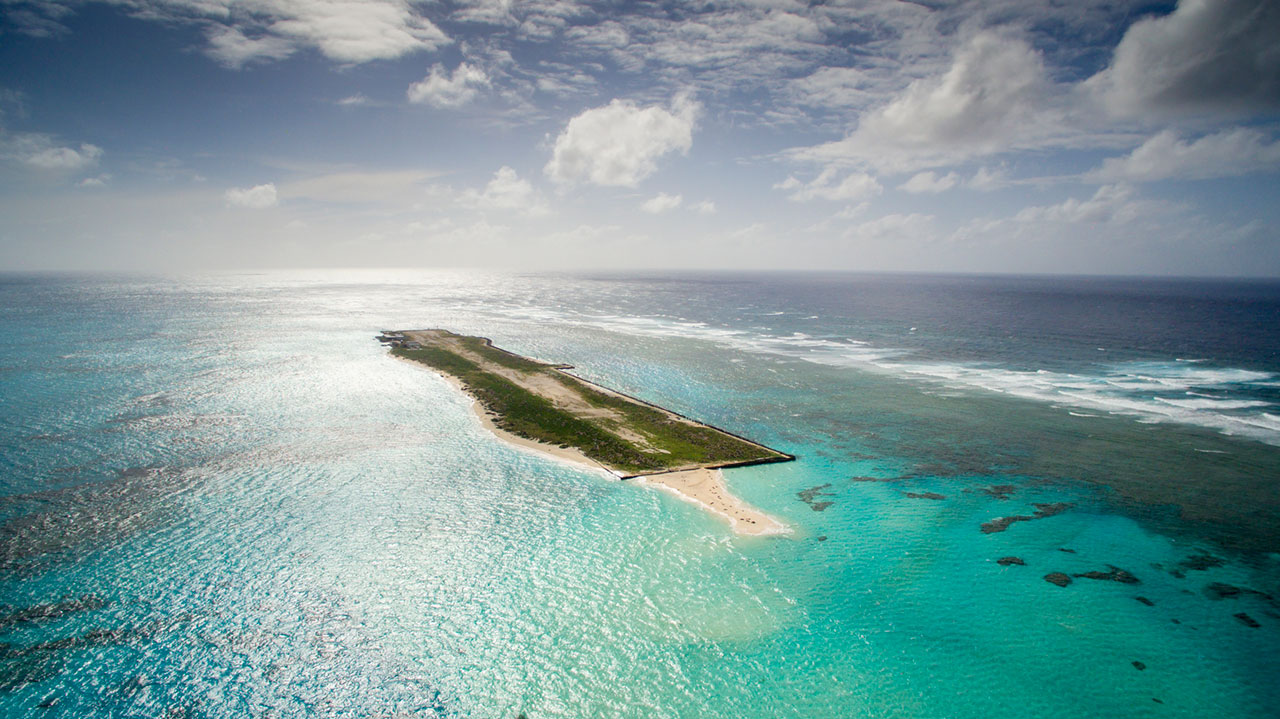
Introduction to Tern Island
Tern Island is one of the most fascinating and remote islands in the Pacific Ocean. Located in the Northwestern Hawaiian Islands, this small but historically and ecologically significant island has captured the attention of scientists, conservationists, and nature lovers for decades. Despite its relatively small size, Tern Island plays a massive role in marine conservation and wildlife protection.
The island is part of the French Frigate Shoals, which is one of the largest coral reef systems in the Hawaiian archipelago. Over time, Tern Island has transformed from a natural sand island into a man-made structure that supports both wildlife research and environmental protection efforts. Today it stands as an important ecological hub that supports seabirds, monk seals, and sea turtles.
What makes Tern Island especially remarkable is how it blends history with nature. It has served as a military outpost, a research station, and a vital habitat for endangered species. Its transformation over the decades provides an interesting look at how humans and nature interact in remote environments.
The Geographic Location of Tern Island
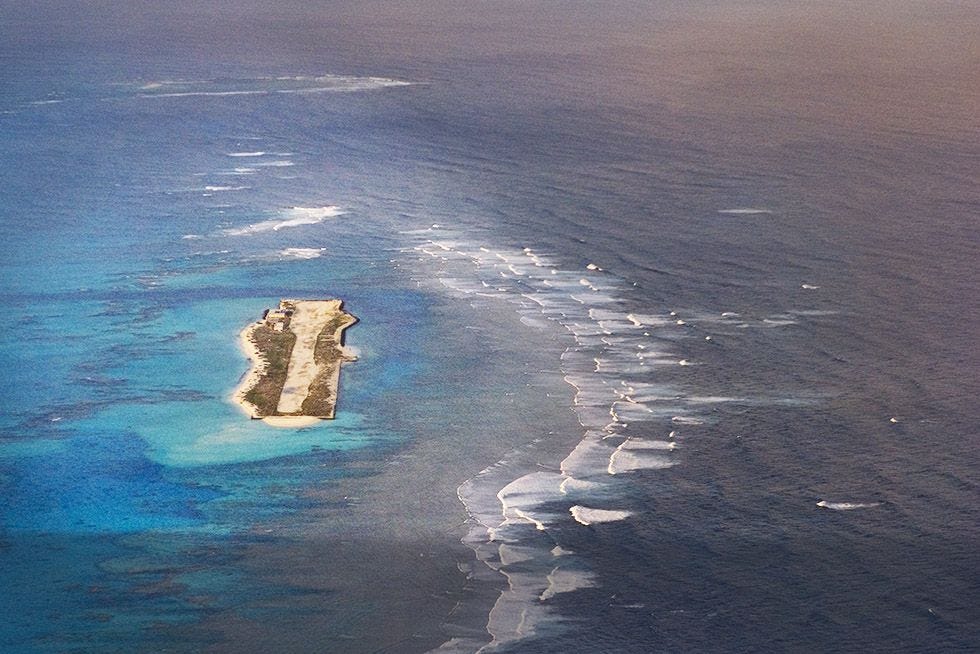
Tern Island is located within the French Frigate Shoals in the Northwestern Hawaiian Islands, roughly 490 miles northwest of Honolulu. The French Frigate Shoals itself is a large crescent-shaped coral atoll that contains several small islands and sandbanks, with Tern Island being the most developed among them.
The island sits in a highly protected marine environment. The surrounding waters are part of the Papahānaumokuākea Marine National Monument, one of the largest marine conservation areas in the world. This protected status means that the ecosystem around Tern Island remains relatively untouched by human activity compared to many other island systems.
Geographically, Tern Island is unique because it is essentially artificial. During World War II, the United States military expanded a small natural sandbank into a runway-shaped island using dredged coral. Today, the island measures about 3,100 feet long and 275 feet wide, resembling an aircraft carrier floating in the middle of a turquoise lagoon.
The History of Tern Island
The history of Tern Island is both unusual and fascinating. Originally, the island began as a small sandy patch known as East Island within the French Frigate Shoals. Early explorers and sailors occasionally visited the area, but it remained mostly untouched for centuries.
During World War II, the strategic location of the island made it valuable to the United States military. In 1942, the U.S. Navy expanded the small sandbar into a much larger island by dredging coral from the surrounding reef. The goal was to create an airstrip that could support military aircraft operations in the Pacific.
The military constructed runways, buildings, and defensive structures on the island. For several years, it served as an important refueling and navigation station for aircraft traveling across the Pacific. After the war ended, military use declined, and the island eventually transitioned into a research facility dedicated to studying wildlife and marine ecosystems.
Tern Island During World War II
World War II played a major role in shaping the modern appearance of Tern Island. The United States military needed remote bases across the Pacific Ocean to support long-range aircraft and naval operations. French Frigate Shoals provided an ideal location because of its strategic distance between Hawaii and other Pacific territories.
In 1942, the Navy began transforming the tiny sandbank into a functioning airfield. Engineers used dredged coral to expand the island and build a long runway capable of handling military planes. The island quickly became an important refueling and emergency landing site.
Although the base was relatively small, it played a vital support role in Pacific operations. The presence of military personnel also introduced infrastructure such as radar stations, storage facilities, and living quarters. After the war, many of these structures remained and were later used by scientists conducting environmental research.
Wildlife of Tern Island
Tern Island is best known for its extraordinary wildlife. Because it lies within a protected marine monument, the island has become a sanctuary for many species that depend on isolated habitats for survival. In fact, Tern Island hosts one of the largest seabird colonies in the Northwestern Hawaiian Islands.
Thousands of birds nest on the island each year. Species such as sooty terns, white terns, brown noddies, and red-footed boobies use the island as a breeding ground. The wide open spaces and minimal human disturbance make it ideal for nesting and raising chicks.
In addition to birds, the island also supports marine mammals and reptiles. Hawaiian monk seals frequently haul out on the beaches, and green sea turtles come ashore to rest or nest. The combination of seabirds, marine mammals, and reptiles creates an incredibly rich ecosystem concentrated in a very small area.
Seabird Colonies and Nesting Habitats
Seabirds are perhaps the most visible residents of Tern Island. The island’s flat surface and open terrain provide ideal nesting conditions for a wide range of bird species. For decades, researchers have studied these colonies to understand migration patterns, breeding cycles, and population trends.
One of the most common birds found on the island is the sooty tern. These birds arrive in massive numbers during the breeding season, creating one of the largest tern colonies in the Pacific region. Their synchronized nesting behavior is a remarkable sight, with thousands of birds covering the ground.
Other seabird species also rely heavily on the island. Brown noddies nest among the rocks and vegetation, while white terns often perch in elevated areas. The diversity of seabirds makes Tern Island a critical location for avian conservation in the Pacific.
Marine Life Around Tern Island
The waters surrounding Tern Island are just as important as the island itself. The French Frigate Shoals reef system provides habitat for countless marine species, including fish, sharks, corals, and invertebrates.
The coral reefs are vibrant and diverse. Scientists have documented hundreds of fish species living in the lagoon and surrounding waters. These reefs provide essential shelter and food sources for marine life, making the ecosystem incredibly productive.
Sharks are also common in the region. Species such as Galapagos sharks and reef sharks patrol the waters, maintaining the balance of the ecosystem. The presence of these predators indicates a healthy marine environment that has remained largely undisturbed.
The Role of Tern Island in Conservation
Tern Island plays an extremely important role in conservation efforts across the Pacific Ocean. Because it lies within a protected marine monument, the island serves as a natural laboratory where scientists can observe ecosystems that are relatively free from heavy human impact.
Conservation organizations and government agencies regularly conduct research on the island. Studies often focus on seabird populations, coral reef health, monk seal behavior, and climate change impacts. Data collected here helps guide conservation policies across the entire Pacific region.
The island’s isolation also provides a safe refuge for endangered species. Hawaiian monk seals, one of the most endangered marine mammals in the world, frequently use Tern Island as a resting and breeding site. Protecting this habitat is essential for their survival.
Research and Scientific Studies on Tern Island
Over the years, Tern Island has hosted numerous scientific research programs. Researchers from universities, government agencies, and conservation organizations have spent months living on the island to study wildlife and environmental changes.
One major focus of research has been seabird ecology. Scientists track nesting success, migration routes, and population changes among different bird species. These studies help researchers understand how climate change and ocean conditions affect seabird survival.
Marine biology is another major area of research. Scientists study coral reef health, fish populations, and the impacts of ocean warming. Because the region remains relatively pristine, it provides valuable insights into how healthy reef systems function.
The Papahānaumokuākea Marine National Monument
Tern Island is part of the Papahānaumokuākea Marine National Monument, one of the largest protected marine areas on Earth. This massive conservation area covers more than 580,000 square miles of ocean and islands in the Northwestern Hawaiian chain.
The monument was created to protect the fragile ecosystems of the region, including coral reefs, seabird colonies, and endangered marine species. Strict regulations limit human activity, ensuring that the environment remains preserved for future generations.
Being part of this monument means that access to Tern Island is highly restricted. Only researchers, conservation staff, and authorized personnel are allowed to visit. This limited access helps maintain the island’s pristine condition.
Climate Change and Environmental Challenges
Although Tern Island is protected, it still faces environmental challenges. Climate change is one of the biggest threats to low-lying islands across the Pacific. Rising sea levels and stronger storms could eventually reshape or damage the island.
Storm surges have already caused damage to nearby islands within the French Frigate Shoals. In recent years, powerful storms have washed away entire sand islands in the region. This raises concerns about the long-term stability of Tern Island as well.
Coral bleaching is another concern. Warmer ocean temperatures can damage coral reefs, which in turn affects fish populations and seabird food sources. Scientists continue to monitor these changes to better understand how the ecosystem may evolve in the future.
Life on Tern Island for Researchers
Living on Tern Island is a unique experience that very few people ever have. Researchers who stay on the island often live in small dormitory-style facilities left over from earlier military structures.
Daily life revolves around scientific work. Researchers spend long hours observing wildlife, collecting data, and maintaining equipment. Because the island is so remote, supplies must be carefully managed and shipped in from Hawaii.
Despite the challenges, many scientists describe their time on Tern Island as unforgettable. The opportunity to work in such a pristine environment, surrounded by thousands of birds and marine animals, makes it a once-in-a-lifetime experience.
Cultural and Historical Significance
Beyond its ecological importance, Tern Island also holds cultural significance. The Northwestern Hawaiian Islands have long been important in Native Hawaiian culture and navigation traditions.
Ancient Polynesian voyagers may have passed through these waters while navigating across the Pacific. The islands were known to early Hawaiian navigators who traveled vast distances using stars, ocean currents, and wind patterns.
Today, conservation efforts often incorporate Native Hawaiian cultural perspectives. Protecting the region is seen not only as an environmental responsibility but also as a way to honor traditional knowledge and heritage.
The Future of Tern Island
The future of Tern Island depends on continued conservation and environmental protection. Scientists and policymakers are working together to ensure that the island remains a safe habitat for wildlife.
Efforts are underway to reinforce infrastructure and protect nesting habitats from erosion. Monitoring programs continue to track wildlife populations and environmental conditions.
As global awareness of ocean conservation grows, places like Tern Island become even more important. They serve as reminders of what healthy ecosystems look like and why protecting them matters.
Why Tern Island Matters to the World
Although Tern Island is small and remote, its significance extends far beyond its shores. The island represents one of the last relatively untouched ecosystems in the Pacific Ocean.
It provides critical habitat for seabirds, marine mammals, and coral reef species. The scientific research conducted there helps scientists understand the health of the ocean and predict future environmental changes.
In many ways, Tern Island acts as a living laboratory for studying conservation. Lessons learned here can help guide efforts to protect ecosystems around the world.
Conclusion
Tern Island may be small, but its impact on science, conservation, and environmental awareness is enormous. From its unusual history as a military airstrip to its current role as a wildlife sanctuary, the island has undergone a remarkable transformation.
Today, it stands as a powerful example of how remote ecosystems can be protected and studied. Its thriving seabird colonies, vibrant coral reefs, and endangered marine species highlight the importance of preserving natural habitats.
As environmental challenges continue to grow worldwide, places like Tern Island remind us why conservation matters. Protecting such unique environments ensures that future generations will still have the opportunity to learn from and appreciate the wonders of the natural world.
FAQs
What is Tern Island known for?
Tern Island is known for its large seabird colonies, wildlife research, and its location within the Papahānaumokuākea Marine National Monument.
Where is Tern Island located?
Tern Island is located in the French Frigate Shoals in the Northwestern Hawaiian Islands about 490 miles northwest of Honolulu.
Is Tern Island natural or man-made?
Tern Island was originally a small sandbar but was expanded by the U.S. Navy during World War II using dredged coral.
Can tourists visit Tern Island?
No, public access is restricted and only authorized researchers and conservation personnel are allowed to visit.
What animals live on Tern Island?
The island hosts seabirds, Hawaiian monk seals, green sea turtles, and many marine species.
Why is Tern Island important for conservation?
It provides a protected habitat for endangered species and supports scientific research on marine ecosystems.
Also read:Oneida TN County: A Complete Guide to History, Community, and Life in Scott County