Introduction to the Third Gen Pontiac Firebird
The Pontiac Firebird third generation represents one of the most fascinating chapters in American automotive history. Produced from 1982 through 1992 by Pontiac, a division of General Motors, this generation marked a dramatic shift in design philosophy, engineering priorities, and driver expectations. While earlier Firebirds were known for their muscular stance and raw power, the third generation embraced aerodynamics, technology, and efficiency—without abandoning performance entirely.
When the car debuted in the early 1980s, the automotive world was still recovering from the fuel crises and tightening emissions standards of the 1970s. Manufacturers had to rethink how performance cars were built. Instead of relying purely on big-displacement engines, engineers began exploring lighter materials, sleeker shapes, and smarter drivetrain configurations. The third gen Firebird became a perfect example of this new direction, offering a futuristic look that immediately distinguished it from its predecessors.
For many enthusiasts, the appeal of the third gen Firebird goes beyond numbers and specs. It captured the spirit of a transitional era—where analog driving met emerging digital technology. Digital dashboards, improved suspension geometry, and optional fuel injection systems signaled the beginning of modern performance cars. Today, collectors and fans admire this generation not only for nostalgia but also for its growing recognition as a true classic.
Historical Context: Why the Third Generation Was Revolutionary
To understand why the third gen Firebird mattered so much, you have to look at the industry climate of the early 1980s. Performance vehicles had taken a hit during the late ’70s due to stricter regulations and insurance costs. Many feared the golden age of American sports coupes was over. Then came the redesigned Firebird—lighter, sharper, and engineered with precision rather than brute force.
One of the most revolutionary aspects was its aerodynamic profile. Engineers focused heavily on reducing drag, resulting in a coefficient that was dramatically lower than the previous generation. This wasn’t just a stylistic choice; it improved fuel economy, high-speed stability, and overall efficiency. Suddenly, drivers could enjoy a sporty car that didn’t feel outdated in a rapidly modernizing world.
Another key shift was the platform redesign. Built on the new F-body architecture shared with the Chevrolet Camaro third generation, the Firebird featured a unibody structure that enhanced rigidity while lowering weight. Better weight distribution translated into sharper handling—something drivers immediately noticed. This wasn’t merely a muscle car anymore; it was evolving into a true driver’s machine.
Finally, technology began taking center stage. Electronic fuel injection gradually replaced carburetors, and advanced engine management systems allowed for improved reliability. Features like onboard diagnostics hinted at the computerized future of automobiles. Looking back, it’s clear the third gen Firebird wasn’t just keeping up with the times—it was helping define them.
Exterior Design: Aerodynamics Meets Aggression
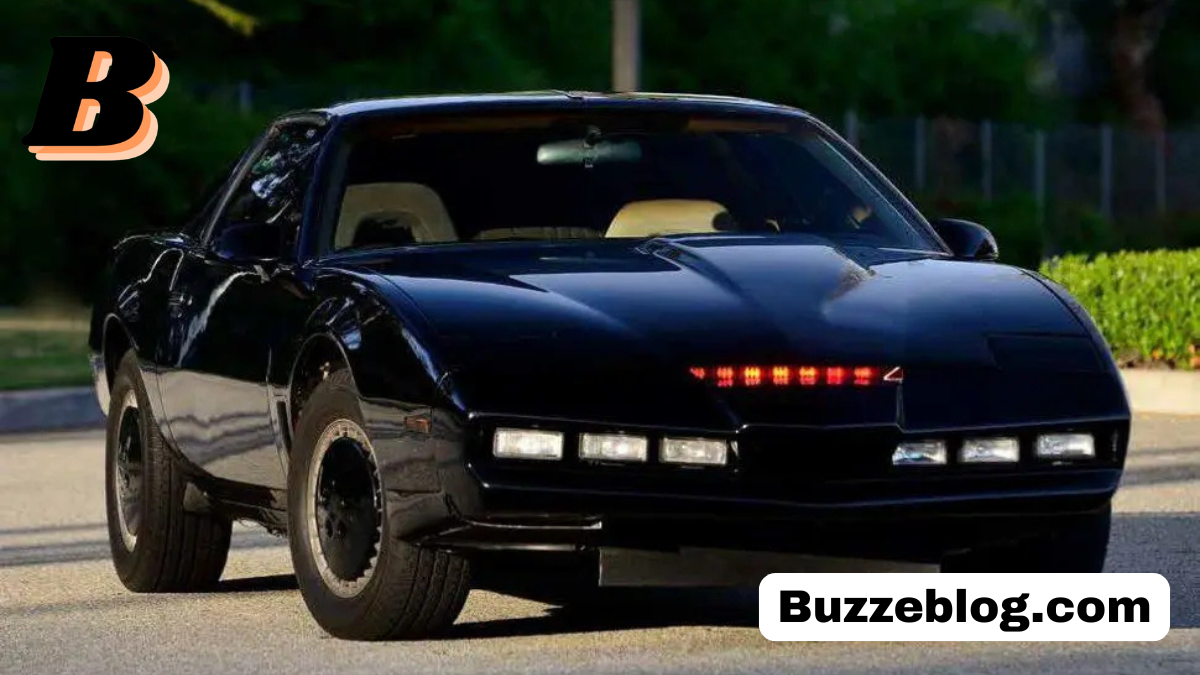
The third gen Firebird looked like it came straight out of a sci-fi movie when it first appeared. Gone were the bulky curves of the 1970s. In their place stood a low-slung silhouette with hidden headlights, a steeply raked windshield, and a hatchback design that improved practicality without compromising style.
One standout feature was the dramatic nose. The pointed front end gave the car a predatory appearance, while the integrated bumper improved airflow. Designers managed to strike a delicate balance between elegance and aggression—something not every sports coupe achieves. Even decades later, the shape still feels surprisingly modern.
The rear hatch was another forward-thinking decision. It made the car more versatile than traditional coupes, allowing owners to carry more cargo. This practicality broadened the Firebird’s appeal, attracting buyers who wanted both excitement and usability.
Wheel designs, spoilers, and ground effects packages varied across trims, but each added personality. Whether you saw a base model or a fully equipped performance variant, the car projected confidence. It wasn’t trying to imitate European sports cars; it proudly expressed American design with a futuristic twist.
Interior Experience: Technology Ahead of Its Time
Step inside a third gen Firebird, and you immediately notice the driver-focused cockpit. Controls were angled toward the driver, reinforcing the idea that this car was meant to be driven—not just admired. The seating position was low and sporty, giving drivers a strong sense of connection to the road.
One of the most talked-about features was the optional digital dashboard. During the 1980s, digital instrumentation felt almost space-age. Bright numeric speed readouts and graphic displays created a high-tech ambiance that many competitors lacked. While some purists preferred analog gauges, there’s no denying the digital cluster embodied the futuristic optimism of the era.
Material quality improved throughout the generation. Early models leaned heavily on plastics, but later versions incorporated better upholstery and trim options. Leather seating became available, adding a premium touch that helped the Firebird compete with higher-end coupes.
Comfort also played a role in the car’s popularity. Adjustable seats, air conditioning, and upgraded sound systems made long drives enjoyable. Unlike many earlier performance cars, this one didn’t punish you for wanting a bit of luxury.
Engine Options and Performance Evolution
The third gen Firebird offered a wide range of engines over its decade-long production run, reflecting the industry’s gradual return to performance. Early models prioritized efficiency, but horsepower steadily increased as technology improved.
Base engines typically included four-cylinder and V6 options designed for respectable fuel economy. While they weren’t thrilling, they allowed the Firebird to remain accessible to a broader audience. For many buyers, the styling alone justified the purchase.
Enthusiasts gravitated toward the V8 variants, which delivered the kind of acceleration expected from a performance coupe. Tuned-port injection systems introduced later in the decade dramatically enhanced throttle response and torque. Suddenly, the Firebird felt alive again.
By the early 1990s, output figures had climbed significantly compared to the early ’80s models. This progression mirrored the broader resurgence of American performance vehicles. The Firebird proved that efficiency and excitement didn’t have to be mutually exclusive.
The Legendary Trans Am Trim
No discussion of the third gen Firebird is complete without highlighting the Pontiac Firebird Trans Am. This trim represented the performance heart of the lineup and became the poster car for countless enthusiasts.
The Trans Am featured upgraded suspension tuning, more powerful engines, and distinctive styling cues. Hood decals, aerodynamic enhancements, and aggressive wheel packages made it instantly recognizable. It wasn’t subtle—and that was precisely the point.
Driving a Trans Am felt markedly different from driving a base Firebird. Steering was sharper, acceleration stronger, and overall dynamics more engaging. Pontiac clearly intended it for drivers who wanted a visceral experience.
Over time, special editions further elevated the Trans Am’s reputation. Limited production models often included unique paint schemes and performance tweaks, making them highly collectible today.
Handling and Driving Dynamics
While earlier muscle cars focused heavily on straight-line speed, the third gen Firebird introduced a more balanced approach. Engineers worked extensively on suspension geometry to improve cornering ability.
The car utilized a front MacPherson strut setup combined with a rear live axle supported by torque arms and coil springs. This configuration delivered a surprisingly composed ride, especially compared to older body-on-frame designs.
Weight reduction also played a crucial role. A lighter chassis meant better braking, sharper turn-in, and improved responsiveness. Drivers discovered they could confidently tackle winding roads—something not always associated with classic American coupes.
Power steering and improved braking systems further enhanced control. Whether commuting or pushing the car on open highways, the Firebird offered a sense of stability that inspired confidence.
Pop Culture Fame and Media Influence
The third gen Firebird achieved legendary status partly thanks to television and film exposure. Most notably, a heavily modified Trans Am starred in the hit TV series Knight Rider as KITT, an intelligent, crime-fighting car that captured imaginations worldwide.
The show transformed the Firebird into more than just a vehicle—it became a cultural icon. Kids dreamed about owning a talking car, while adults admired its sleek design. Few marketing campaigns could rival the exposure the series provided.
Beyond television, the Firebird appeared in music videos, magazines, and video games. Its wedge-shaped profile perfectly matched the aesthetic of the 1980s, an era fascinated by futuristic technology.
This cultural presence helped cement the car’s legacy. Even people who weren’t automotive enthusiasts recognized the silhouette instantly.
Trim Levels and Variants
Throughout its production run, the third gen Firebird offered multiple trims designed to appeal to different drivers. The base model delivered style at an accessible price point, making it attractive to younger buyers.
Mid-tier trims introduced additional comfort features and visual upgrades. Buyers could personalize their vehicles with appearance packages, upgraded wheels, and enhanced audio systems.
Performance-oriented trims, especially the Trans Am and later high-output variants, targeted enthusiasts who wanted more excitement. These models often came with stronger engines and sportier suspensions.
Special editions added another layer of intrigue. Anniversary models celebrated milestones with exclusive colors and badges, ensuring they stood out even decades later.
Reliability and Maintenance Considerations
Like any vehicle from the 1980s and early ’90s, the third gen Firebird requires thoughtful maintenance today. Fortunately, many mechanical components are relatively straightforward, making them approachable for hobbyists.
Parts availability remains decent thanks to a strong aftermarket community. Enthusiasts have kept these cars alive, producing reproduction components that simplify restoration.
Common issues often involve aging electronics, worn suspension bushings, and cosmetic deterioration. None are particularly unusual for a car of this age, but they emphasize the importance of careful inspection before purchase.
Owners who stay proactive with maintenance often find the Firebird to be surprisingly durable. With proper care, these cars can continue delivering enjoyment for decades.
Collectibility and Rising Market Value

For years, third gen Firebirds lived in the shadow of their late-’60s predecessors. Recently, however, collectors have begun recognizing their historical importance.
Prices remain relatively approachable compared to earlier muscle cars, making them an appealing entry point for collectors. Low-mileage examples and rare trims command higher premiums, especially when preserved in original condition.
Nostalgia plays a significant role in this rising interest. Many enthusiasts who grew up seeing these cars are now in a position to buy them.
As appreciation grows, experts increasingly view the third gen Firebird as a smart investment—not just financially, but emotionally.
Comparing the Third Gen to Other Generations
Each Firebird generation tells a different story. The first generation emphasized raw muscle, while the second leaned into aggressive styling and big engines.
The third generation pivoted toward efficiency, aerodynamics, and technology. Some traditionalists initially resisted this change, but history has been kind to the redesign.
Later generations built upon this foundation, incorporating even more advanced engineering. Without the innovations of the third gen, those developments might not have been possible.
In many ways, this generation acts as a bridge between classic muscle and modern performance cars.
Why Enthusiasts Still Love It Today
Ask a Firebird owner why they love their car, and you’ll likely hear a mix of emotional and practical reasons. The styling remains distinctive without feeling outdated.
Driving one offers a refreshing analog experience. There are fewer electronic filters between driver and machine, creating a sense of authenticity.
Community also plays a role. Car shows and enthusiast groups keep the spirit alive, connecting owners who share a passion for automotive history.
Ultimately, the third gen Firebird represents more than transportation—it symbolizes individuality and freedom.
Buying Guide: What to Look For
Prospective buyers should begin by identifying their priorities. Are you seeking a pristine collector’s piece or a fun weekend driver? Your answer will shape the search.
Rust inspection is critical, particularly in areas exposed to moisture. Structural integrity matters far more than cosmetic flaws.
Documentation can significantly boost value. Service records and original paperwork indicate careful ownership.
Finally, consider originality versus modification. Some upgrades improve drivability, but heavily altered cars may appeal to a narrower audience.
Restoration Tips from Experts
Restoring a third gen Firebird can be deeply rewarding. Start with a realistic budget—costs can escalate quickly if surprises arise.
Focus first on mechanical reliability. A car that runs well provides immediate satisfaction and prevents future headaches.
When addressing aesthetics, prioritize authenticity. Factory-correct colors and materials often enhance long-term value.
Most importantly, enjoy the process. Restoration is as much about the journey as the finished product.
The Legacy of the Third Gen Firebird
More than three decades after its debut, the third gen Firebird continues to earn respect. It challenged assumptions about what American performance cars could be.
By blending technology with style, Pontiac created a vehicle that resonated across generations. Its influence can still be seen in modern sports coupes that emphasize both efficiency and excitement.
The Firebird’s story also reflects broader industry trends—adaptation, innovation, and resilience in the face of change.
For many, it remains a reminder that progress doesn’t erase heritage; it builds upon it.
Conclusion
The third gen Pontiac Firebird stands as a testament to reinvention. At a time when performance cars risked fading into obscurity, it proved they could evolve.
From aerodynamic design to emerging technology, the car captured the spirit of an era eager for the future yet rooted in tradition. Today, it enjoys renewed appreciation among collectors and drivers alike.
Whether admired at a car show or driven down an open highway, the Firebird continues to spark excitement. Its legacy isn’t just preserved in garages—it lives on in the enthusiasm of those who refuse to let automotive history be forgotten.
FAQs
What is the third gen Pontiac Firebird?
It is the third generation of the Pontiac Firebird produced from 1982 to 1992.
Why is the third gen Firebird popular?
It combines futuristic design, improved aerodynamics, and solid performance for its era.
Which engines were available in the third gen Firebird?
Options ranged from four-cylinder and V6 engines to multiple V8 variants.
What is the difference between the Firebird and Trans Am?
The Trans Am is the higher-performance trim with stronger engines and sportier styling.
Is the third gen Firebird reliable today?
With proper maintenance, many examples remain dependable classic cars.
Are third gen Firebirds good for collectors?
Yes, their growing popularity makes them appealing entry-level classics.
Did the third gen Firebird appear in pop culture?
Yes, it became famous through television and media appearances in the 1980s.
How fuel-efficient was the third gen Firebird?
It offered better fuel economy than earlier muscle cars due to lighter design and improved technology.
What should buyers inspect before purchasing one?
Check for rust, engine condition, electrical issues, and maintenance history.
Are parts easy to find for restoration?
A strong aftermarket community helps keep replacement parts widely available.
Also read: Waffen SS Camo: History, Design, Innovation, and Lasting Influence