Introduction to Troļļi
The word “troļļi” carries a fascinating weight because it connects two very different worlds: ancient folklore and modern digital culture. Originally rooted in Northern European mythology, particularly Scandinavian and Baltic traditions, troļļi referred to mysterious beings believed to inhabit forests, mountains, and caves. Today, however, the term has evolved dramatically and is often used to describe people who intentionally provoke others online. This transformation makes the concept of troļļi especially interesting, as it reflects how language adapts alongside human behavior.
In folklore, troļļi were never simple creatures. They could be monstrous, clever, dangerous, or even strangely humorous depending on the story being told. Some tales portrayed them as guardians of nature, while others depicted them as threats lurking beyond the safety of village life. These stories helped communities explain the unknown and gave shape to fears about isolation, darkness, and the wilderness. Over time, the idea of trolls became deeply embedded in cultural storytelling.
Fast forward to the digital era, and troļļi have found a new habitat: the internet. Instead of hiding under bridges, modern trolls hide behind screens and usernames. Yet the core idea remains surprisingly similar. Both mythical and online troļļi disrupt peace, challenge travelers, and create obstacles. Understanding troļļi means exploring not only legends but also psychology, communication, and society itself.
The Origins of Troļļi in Mythology
To truly understand troļļi, it is essential to begin with their mythological roots. In early Scandinavian folklore, trolls were often described as giant, misshapen creatures with immense strength. They lived far from human settlements, symbolizing the unpredictable forces of nature. Mountains collapsing, forests echoing with strange sounds, and sudden storms were sometimes attributed to their presence.
These creatures were frequently associated with darkness. Many stories claimed trolls turned to stone when exposed to sunlight, a detail that may have been inspired by unusual rock formations scattered across Nordic landscapes. Villagers would point to towering stones and whisper that they were once living troļļi caught by the morning light. This blending of imagination and environment shows how folklore often emerges from attempts to interpret the natural world.
Interestingly, not all trolls were purely evil. Some legends describe them as intelligent beings capable of negotiation or trickery. Humans who encountered them had to rely on wit rather than strength. This emphasis on cleverness reflects a cultural lesson: intelligence can overcome brute force. These tales were not just entertainment; they were moral frameworks passed down through generations.
Troļļi in Baltic and Northern European Folklore
While Scandinavian mythology is often the first association people make, troļļi also appear in broader Northern European traditions, including regions around the Baltic Sea. Though descriptions varied, many cultures shared similar themes: trolls were ancient, powerful, and deeply connected to the land. Their existence blurred the line between myth and geography.
In some Baltic interpretations, troļļi were less monstrous and more mysterious. They were believed to guard hidden treasures or sacred spaces, rewarding respectful visitors and punishing those who acted greedily. Such narratives reinforced social values like humility and respect for nature. Communities relied heavily on forests and rivers for survival, so stories warning against careless behavior served practical purposes.
Another intriguing aspect is how troļļi were used to explain the unexplained. Before scientific understanding became widespread, strange illnesses, disappearances, or sudden changes in weather were sometimes blamed on supernatural beings. Troļļi provided a framework for making sense of uncertainty, helping people feel a sense of order even when faced with chaos.
Physical Descriptions and Symbolism
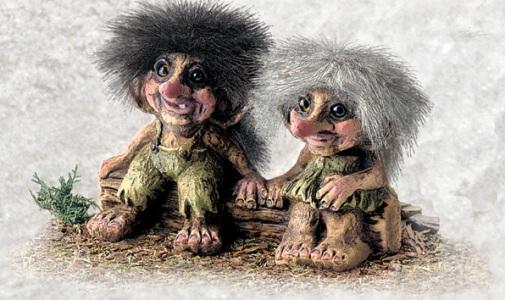
Descriptions of troļļi varied wildly depending on region and storyteller. Some were gigantic, towering over trees, while others were small but cunning. Many were said to have rough, stone-like skin, large noses, and glowing eyes. These exaggerated features made them memorable characters in oral traditions, ensuring the stories would endure.
Symbolically, trolls often represented the “other.” They lived outside society, beyond the boundaries of civilization. In this way, they embodied humanity’s fear of what lies beyond the familiar. Dense forests and high mountains were intimidating places, and assigning them supernatural inhabitants made those fears easier to articulate.
At the same time, troļļi sometimes reflected human flaws. Their greed, stubbornness, or temper mirrored behaviors people recognized within themselves or their communities. By projecting these traits onto mythical beings, storytellers could critique negative behavior without directly accusing anyone. This subtle storytelling technique allowed folklore to educate while entertaining.
Famous Troll Stories That Shaped the Legend
Many classic folktales helped solidify the image of troļļi in popular imagination. One recurring theme involved travelers encountering trolls while crossing bridges or wandering through remote landscapes. The troll would challenge them with riddles or demands, forcing the traveler to think quickly in order to survive.
These stories often followed a predictable yet satisfying structure: tension builds as the traveler faces danger, cleverness saves the day, and balance is restored. Such narratives reassured audiences that intelligence and courage could overcome even the most terrifying obstacles.
Another common motif involved trolls hoarding gold or magical items. Heroes who managed to outsmart them were rewarded not just with treasure but with wisdom. These tales emphasized the importance of patience, observation, and strategy—qualities highly valued in traditional societies.
The Transition from Folklore to Popular Culture
As centuries passed, troļļi moved beyond oral storytelling into literature, theater, and eventually film. Writers reimagined trolls in ways that suited their audiences. Some portrayed them as terrifying monsters, while others softened their image, presenting them as misunderstood creatures.
The rise of children’s literature played a significant role in reshaping trolls. Instead of purely frightening beings, they became characters capable of humor or even kindness. This shift reflects changing attitudes toward storytelling, particularly the desire to balance excitement with reassurance for younger readers.
Modern fantasy has continued to reinvent troļļi. In novels and movies, trolls may appear as warriors, magical beings, or even comic relief. Despite these variations, the essence remains intact: they are creatures that challenge heroes and test boundaries. Their adaptability explains why trolls remain culturally relevant even today.
Troļļi and the Birth of the Internet Troll
The leap from mythology to the internet might seem surprising, but the connection is remarkably logical. Early online communities needed a term to describe individuals who disrupted conversations for amusement. The word “troll” fit perfectly because it captured the idea of a lurking troublemaker.
Internet troļļi thrive on reaction. Just as mythical trolls demanded attention from travelers, digital trolls seek emotional responses from their targets. Whether through provocative comments, misinformation, or deliberate insults, their goal is often to create chaos.
This behavior highlights an interesting psychological pattern. Many trolls are motivated by a desire for visibility or control. In anonymous environments, people sometimes feel freed from social consequences, allowing them to act in ways they might avoid in face-to-face interactions. Understanding this dynamic is crucial for navigating online spaces effectively.
Why People Become Troļļi Online
There is no single reason someone becomes an internet troll. For some, it is boredom; for others, it is a search for validation. The anonymity of the internet can reduce empathy, making it easier to forget that real people exist behind the screen.
Psychologists often point to the “online disinhibition effect,” a phenomenon where individuals behave more aggressively or openly online than they would offline. Without immediate feedback like facial expressions or tone of voice, communication becomes abstract. This distance can encourage extreme behavior.
Another factor is group dynamics. When trolls find communities that reward provocative behavior with attention, the cycle intensifies. Likes, shares, and replies can unintentionally reinforce negativity. Recognizing these patterns helps explain why trolling persists despite widespread awareness of its harm.
Types of Internet Troļļi
Not all trolls operate the same way. Some are obvious, posting outrageous statements designed to shock readers. Others are more subtle, disguising their intent behind seemingly reasonable arguments that gradually derail discussions.
One common type is the “provoker,” who introduces controversial topics purely to ignite conflict. Another is the “mocking troll,” who uses sarcasm and humor to belittle others. There are also “persistent trolls” who repeatedly target specific individuals or communities.
Understanding these variations can make it easier to respond appropriately. While it may be tempting to engage, experts often recommend restraint. Trolls typically lose interest when they fail to generate the reactions they seek.
The Impact of Troļļi on Online Communities
Trolling is not merely an annoyance; it can reshape entire digital environments. When negative behavior dominates a platform, constructive voices may withdraw, leading to echo chambers filled with hostility. This shift undermines the purpose of online communities, which ideally foster connection and knowledge sharing.
For individuals, repeated exposure to trolling can cause stress and anxiety. Harsh comments may linger long after the screen is turned off, affecting confidence and mental well-being. This emotional toll underscores the importance of moderation and supportive community guidelines.
On a broader scale, trolling can distort public discourse. Misinformation spreads quickly when amplified by provocative posts. As a result, distinguishing fact from manipulation becomes increasingly difficult. Addressing trolling is therefore not just about politeness; it is about preserving the integrity of communication.
Strategies for Dealing with Troļļi
Experts often emphasize a simple rule: do not feed the troll. Responding emotionally usually gives trolls exactly what they want. Instead, maintaining composure helps prevent escalation.
Many platforms now offer tools for blocking, muting, or reporting disruptive users. Utilizing these features is not a sign of weakness but a practical way to protect one’s digital space. Healthy boundaries are just as important online as they are offline.
Equally valuable is fostering positive engagement. Encouraging respectful dialogue can counterbalance negativity. When communities collectively prioritize empathy and clarity, trolls often find fewer opportunities to disrupt conversations.
Troļļi as Cultural Metaphors
Beyond mythology and the internet, troļļi function as powerful metaphors. They represent obstacles, whether external challenges or internal fears. Calling something a “troll” implies it is blocking progress or demanding attention before one can move forward.
This metaphorical usage appears in literature, psychology, and even leadership discussions. Overcoming “trolls” can symbolize confronting self-doubt or navigating difficult relationships. The image resonates because it taps into universal experiences of struggle.
Interestingly, the persistence of this metaphor demonstrates how ancient stories continue to shape modern language. Even when people have never heard a traditional troll tale, they instinctively understand the concept.
The Psychology Behind Troll Behavior
Examining troll behavior through a psychological lens reveals complex motivations. Some studies suggest that certain personality traits, such as impulsivity or a preference for dominance, correlate with trolling tendencies. However, it is important not to oversimplify; context matters greatly.
Social environments can either discourage or enable trolling. Platforms that reward sensationalism may unintentionally promote disruptive behavior. Conversely, spaces that emphasize accountability tend to experience less trolling.
Empathy training and digital literacy also play roles. When individuals understand the real-world consequences of their words, they are often more mindful. Education, therefore, becomes a key component in reducing harmful interactions.
Troļļi in Gaming Culture
Gaming communities were among the earliest adopters of the term “troll” in its digital sense. Competitive environments sometimes attract players who enjoy provoking teammates or opponents. Whether through intentional sabotage or inflammatory chat messages, their actions can disrupt the gaming experience.
Game developers have increasingly recognized this issue and implemented reporting systems, behavioral monitoring, and matchmaking adjustments. These measures aim to create fairer and more enjoyable spaces for players.
Despite challenges, many gaming communities demonstrate remarkable resilience. Players often develop their own norms, encouraging cooperation and sportsmanship. This collective effort shows that while trolls may be persistent, they are not unstoppable.
Social Media and the Amplification of Troļļi
Social media platforms have transformed communication by allowing messages to reach vast audiences instantly. Unfortunately, this scale also amplifies trolling. A single provocative comment can spark widespread conflict within minutes.
Algorithms sometimes contribute unintentionally by prioritizing content that generates strong reactions. Because outrage often drives engagement, trolling posts may gain visibility even when they offer little value. Recognizing this dynamic is essential for interpreting online trends.
Users can counteract this effect by being intentional about what they share and engage with. Supporting thoughtful content sends a powerful signal about the kind of digital culture people want to cultivate.
Can Troļļi Ever Be Positive?
It might sound counterintuitive, but some scholars argue that mild forms of trolling can occasionally stimulate debate. When done thoughtfully—without cruelty—it can challenge assumptions and encourage deeper analysis.
However, the line between constructive provocation and harmful behavior is thin. Intent and tone matter enormously. Genuine dialogue seeks understanding, whereas trolling seeks reaction.
Ultimately, positivity depends on respect. Conversations flourish when participants view each other as collaborators rather than adversaries. In that sense, the absence of destructive trolling creates room for meaningful exchange.
Teaching Digital Responsibility
As younger generations grow up immersed in technology, digital responsibility becomes increasingly important. Educators now emphasize not only technical skills but also ethical communication. Understanding the consequences of online behavior helps shape healthier interactions.
Parents and mentors play vital roles as well. Open discussions about empathy, accountability, and critical thinking prepare individuals to navigate complex digital landscapes. Rather than simply warning against trolls, guidance can empower people to respond wisely.
Building a respectful online culture is a shared responsibility. Each thoughtful comment contributes to an environment where creativity and collaboration can thrive.
The Future of Troļļi
Predicting the future of troļļi requires considering both technological and social developments. Advances in artificial intelligence, moderation tools, and identity verification may reduce certain forms of trolling. Yet new challenges will likely emerge alongside innovation.
Cultural attitudes will also influence outcomes. As awareness grows, tolerance for disruptive behavior may decline. Communities that prioritize inclusivity and accountability can set powerful precedents.
What remains clear is that troļļi, in one form or another, will continue to evolve. Their story is intertwined with human communication itself. By understanding their origins and impacts, society can better prepare for whatever shape they take next.
Conclusion: From Shadows to Screens
Troļļi have traveled a remarkable path from ancient forests to digital forums. Though their appearance has changed, their symbolic role endures. They challenge, disrupt, and force individuals to think critically about how they respond to adversity.
The enduring fascination with trolls speaks to something deeply human: our need to confront the unknown. Whether in myth or modern life, the presence of troļļi reminds us that obstacles are inevitable, but so is the capacity to overcome them.
By approaching the concept with knowledge and empathy, people can transform encounters with troļļi into opportunities for growth. In doing so, they continue a storytelling tradition that has spanned centuries—one that reflects both the darkness and resilience within human experience.
FAQs
What does “troļļi” mean?
It refers to trolls, originally mythical creatures and now a term for people who provoke others online.
Are troļļi always harmful?
Mythological trolls varied, but modern internet trolls often create disruption or conflict.
Why do internet troļļi seek attention?
Many are motivated by reactions, validation, or the sense of anonymity online.
How should you respond to a troll?
Staying calm and avoiding emotional engagement is usually the most effective approach.
Do trolls exist in every culture?
While names differ, many cultures have stories about disruptive or mischievous beings.
Can trolling be prevented completely?
It is difficult to eliminate entirely, but strong community guidelines greatly reduce it.
Is ignoring a troll effective?
Yes, because lack of reaction often removes the incentive for trolling.
Were mythical troļļi always evil?
No, some stories portrayed them as clever or even protective.
Why are trolls linked to bridges in stories?
Bridges symbolized transitions, making them perfect settings for dramatic encounters.
Will troļļi continue to evolve?
Yes, as communication changes, the concept of trolls will likely adapt as well.
Also read: Black Forest Ham: The Complete Expert Guide to Flavor, Tradition, and Culinary Mastery