Introduction to Rotary Kilns
A rotary kiln is a large industrial machine used to process materials at extremely high temperatures. It is commonly used in industries such as cement manufacturing, metallurgy, chemical processing, and waste treatment. The purpose of a rotary kiln is to heat raw materials until they undergo a chemical transformation, turning them into a finished or semi-finished product. Although the concept may sound complicated, the basic idea behind a rotary kiln is quite simple: materials are placed inside a rotating cylindrical furnace where heat is applied continuously while the material slowly moves through the chamber.
The rotary kiln has become one of the most important pieces of equipment in heavy industry. Its ability to maintain consistent temperature control while processing large volumes of material makes it extremely valuable for mass production. Industries rely on rotary kilns to produce materials like cement clinker, lime, alumina, and various chemical compounds. Without rotary kilns, many of the construction materials used around the world today would not be available in large quantities.
One of the reasons rotary kilns are so widely used is their flexibility. They can process different types of materials including solids, powders, and even certain types of liquids. In addition, rotary kilns can operate continuously, meaning they can run for long periods of time without interruption. This continuous operation increases efficiency and reduces production costs for manufacturers.
Rotary kilns are designed to withstand extremely high temperatures, often exceeding 1,400 degrees Celsius. To handle such heat, the kiln is lined with refractory materials that protect the steel shell from damage. The combination of advanced engineering, controlled heat flow, and mechanical rotation allows rotary kilns to perform complex industrial processes reliably.
Understanding how rotary kilns work is essential for engineers, technicians, and anyone involved in industrial production. From cement factories to waste treatment plants, rotary kilns play a crucial role in modern manufacturing and environmental management.
The History and Development of Rotary Kilns
The history of the rotary kiln dates back to the late 19th century when industrial manufacturers began searching for more efficient ways to process materials. Before the invention of rotary kilns, many industries relied on static furnaces or vertical kilns. These early systems were inefficient and produced inconsistent results because heat distribution was uneven.
The first rotary kiln was invented in 1885 by Frederick Ransome in England. Ransome developed the concept as a way to improve cement production. His idea involved placing raw cement materials inside a rotating cylindrical furnace where heat could be applied more evenly. This innovation significantly improved cement quality and production efficiency.
During the early 20th century, rotary kiln technology began to evolve rapidly. Engineers improved the design by adding better insulation, more efficient burners, and improved drive systems. These advancements allowed rotary kilns to reach higher temperatures and process larger volumes of material. As a result, industries beyond cement production began adopting the technology.
By the mid-1900s, rotary kilns had become standard equipment in many heavy industries. They were used in metallurgy for extracting metals, in chemical processing for producing compounds, and in environmental management for waste treatment. The versatility of rotary kilns made them an essential tool for industrial development.
Modern rotary kilns have continued to evolve with advanced automation, digital monitoring systems, and improved energy efficiency. Today’s kilns use sophisticated control systems to monitor temperature, airflow, and material movement. These technologies help operators maintain optimal performance while minimizing energy consumption and environmental impact.
The development of rotary kilns reflects the broader evolution of industrial technology. What started as a simple rotating furnace has become a highly engineered system capable of supporting some of the world’s largest industries.
Basic Structure of a Rotary Kiln
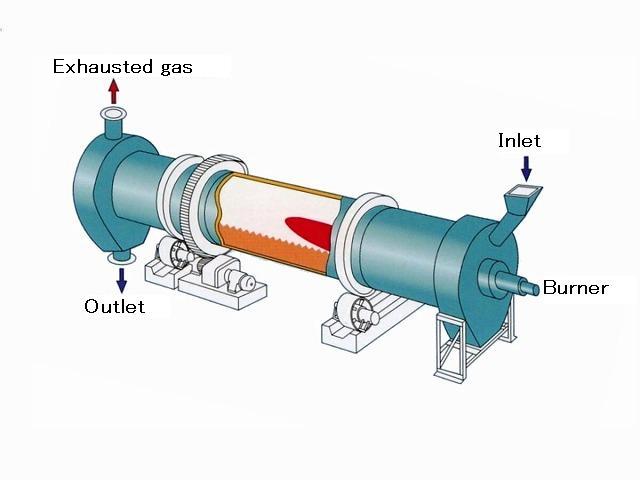
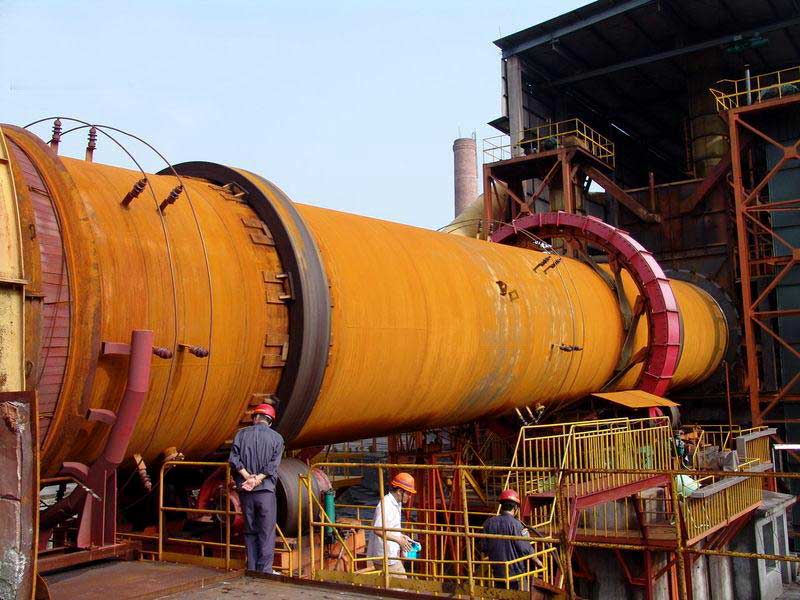
The structure of a rotary kiln is relatively straightforward, but every component plays a critical role in its operation. At its core, a rotary kiln is a long cylindrical steel shell that is slightly inclined from the horizontal position. This slight incline allows materials to gradually move from one end of the kiln to the other as it rotates.
The outer shell of the kiln is made from thick steel plates that are welded together to form a strong cylindrical body. Because the kiln operates at extremely high temperatures, the inside of the shell is lined with refractory bricks or other heat-resistant materials. These refractory linings protect the steel shell and help retain heat inside the kiln.
Another important component is the rotary drive system. This system includes motors, gears, and rollers that rotate the kiln at a controlled speed. The rotation speed is carefully adjusted depending on the type of material being processed and the required heating time.
At one end of the kiln is the feed inlet, where raw materials are introduced into the system. At the opposite end is the discharge outlet, where processed materials exit the kiln. The slow rotation of the kiln combined with its inclined position causes the material to move gradually from the feed end to the discharge end.
Rotary kilns also include burners that provide the heat required for processing. These burners typically use fuels such as natural gas, coal, oil, or alternative fuels. The heat generated by the burner flows through the kiln, raising the temperature of the materials inside.
Support structures, known as tire rings and rollers, help hold the kiln in place while allowing it to rotate smoothly. Without these supports, the massive weight of the kiln would make rotation impossible.
All of these components work together to create a controlled environment where materials can be heated, processed, and transformed efficiently.
How a Rotary Kiln Works
Understanding how a rotary kiln works requires examining the interaction between heat, motion, and material flow. The process begins when raw materials are fed into the kiln through the inlet at the higher end of the inclined cylinder. As the kiln rotates, the materials slowly move toward the lower end due to gravity.
The rotation of the kiln ensures that the materials are continuously mixed and exposed to heat evenly. This constant movement prevents localized overheating and allows the material to undergo uniform chemical reactions.
Inside the kiln, the temperature gradually increases as the material moves closer to the burner zone. Different sections of the kiln operate at different temperatures depending on the stage of the process. For example, in cement production, the material first undergoes drying, then calcination, and finally clinker formation.
The burner located at the lower end of the kiln provides the intense heat required for these reactions. The flame produced by the burner can reach temperatures of more than 2,000 degrees Celsius. However, the material itself typically experiences temperatures ranging between 900 and 1,450 degrees Celsius depending on the process.
As the material progresses through the kiln, chemical reactions occur that transform the raw ingredients into the desired product. By the time the material reaches the discharge end, it has undergone complete thermal processing.
Once processed, the material exits the kiln and moves to the next stage of production, which may include cooling, grinding, or packaging depending on the industry.
The key advantage of a rotary kiln is its ability to provide continuous processing. Unlike batch furnaces, rotary kilns operate non-stop, allowing industries to maintain high production rates and consistent product quality.
Types of Rotary Kilns
Rotary kilns are not all the same. Different industries require different kiln designs depending on the materials being processed and the chemical reactions involved. Over time, several types of rotary kilns have been developed to meet these specific needs.
One common type is the direct-fired rotary kiln. In this design, the burner flame comes into direct contact with the material being processed. This setup allows for efficient heat transfer and is commonly used in industries such as cement manufacturing and metal processing.
Another type is the indirect-fired rotary kiln. In this design, the burner is located outside the kiln chamber, and heat is transferred through the kiln wall. This method is used when materials must be protected from direct contact with combustion gases. Industries that process sensitive chemicals often use indirect-fired kilns.
There are also specialized rotary kilns designed for waste treatment and hazardous material processing. These kilns are equipped with advanced emission control systems to ensure that harmful substances are destroyed safely.
Another variation is the rotary kiln with internal lifters or flights. These internal structures help lift and cascade the material as the kiln rotates, improving heat transfer and processing efficiency.
Some rotary kilns are designed for high-temperature calcination processes, while others are optimized for drying or roasting applications. The choice of kiln type depends on the specific requirements of the industrial process.
Despite their differences, all rotary kilns share the same basic operating principle: rotating materials through a heated cylindrical chamber to achieve a desired chemical or physical transformation.
Industrial Applications of Rotary Kilns
Rotary kilns are used in a wide range of industries because of their ability to process materials efficiently at high temperatures. One of the most well-known applications is in cement manufacturing. In cement plants, rotary kilns are used to convert limestone, clay, and other raw materials into clinker, which is the main component of cement.
Another major industry that relies on rotary kilns is metallurgy. In metal production, rotary kilns are used for processes such as ore roasting, metal reduction, and thermal treatment. These processes help extract valuable metals from raw ore materials.
The chemical industry also uses rotary kilns for producing various chemical compounds. Materials such as alumina, titanium dioxide, and soda ash are often processed in rotary kilns. The controlled heating environment allows precise chemical reactions to occur.
Environmental management is another important application area. Rotary kilns are commonly used for waste incineration and hazardous waste treatment. The high temperatures inside the kiln can destroy harmful organic compounds and reduce waste volume.
Rotary kilns are also used in the production of lime, which is widely used in construction, agriculture, and water treatment. Limestone is heated in the kiln to produce quicklime, which is then processed further depending on its intended use.
Other industries that use rotary kilns include mineral processing, fertilizer production, and even food processing in some specialized cases.
The versatility of rotary kilns makes them an essential piece of equipment for many sectors of the global economy.
Advantages of Using Rotary Kilns
One of the main advantages of rotary kilns is their ability to handle large volumes of material continuously. This continuous operation allows industries to maintain high production efficiency without frequent interruptions.
Another major advantage is the uniform heating provided by the rotating motion. Because the material is constantly moving and mixing, it receives even heat exposure. This leads to consistent product quality and reliable chemical reactions.
Rotary kilns are also highly flexible. They can process a wide variety of materials including powders, granules, and even certain types of liquids. This flexibility allows industries to adapt rotary kilns to different production requirements.
Durability is another important benefit. Rotary kilns are built using heavy-duty materials designed to withstand extreme temperatures and mechanical stress. With proper maintenance, a rotary kiln can operate for many years without major structural problems.
Energy efficiency has also improved significantly in modern rotary kilns. Advances in insulation, burner technology, and heat recovery systems have reduced fuel consumption while maintaining high performance.
Rotary kilns also offer excellent process control. Modern kilns are equipped with automated monitoring systems that allow operators to adjust temperature, airflow, and rotation speed in real time.
Because of these advantages, rotary kilns remain one of the most reliable and widely used thermal processing technologies in the world.
Challenges and Limitations of Rotary Kilns
Despite their many advantages, rotary kilns also come with certain challenges and limitations. One of the biggest challenges is energy consumption. Operating a rotary kiln requires a significant amount of fuel because of the high temperatures involved.
Another issue is maintenance. Rotary kilns are large and complex machines that require regular inspection and maintenance to ensure safe operation. Components such as refractory linings, burners, and drive systems can wear out over time and need replacement.
Environmental concerns are another important consideration. Industrial processes that use rotary kilns can produce emissions such as carbon dioxide, nitrogen oxides, and particulate matter. To address this issue, many facilities install advanced emission control systems such as filters and scrubbers.
Material buildup inside the kiln can also cause operational problems. In some cases, materials may stick to the kiln walls and form deposits known as rings. These deposits can disrupt material flow and reduce kiln efficiency.
Operational expertise is also required to run a rotary kiln effectively. Operators must carefully monitor temperature levels, fuel supply, and material flow to ensure proper processing.
Despite these challenges, most industries consider rotary kilns to be an essential investment because of their high productivity and versatility.
Maintenance and Safety in Rotary Kiln Operations
Proper maintenance is critical for ensuring the long-term performance of a rotary kiln. Regular inspections help identify potential problems before they become serious issues. Operators typically check components such as the kiln shell, refractory lining, drive system, and burners.
One of the most important maintenance tasks is monitoring the condition of the refractory lining. Because the lining is exposed to extreme temperatures, it can gradually deteriorate over time. Replacing worn refractory materials helps maintain heat efficiency and protect the steel shell.
Lubrication of moving parts is another essential maintenance activity. Bearings, gears, and rollers must be properly lubricated to ensure smooth rotation and prevent mechanical wear.
Safety is also a major concern when operating rotary kilns. Because the equipment operates at extremely high temperatures, strict safety protocols must be followed. Workers must wear protective clothing and follow proper operating procedures.
Modern rotary kilns often include automated monitoring systems that provide real-time data on temperature, pressure, and mechanical performance. These systems help operators detect abnormalities early and prevent accidents.
Training programs are also important for ensuring that workers understand how to operate and maintain the kiln safely. Well-trained personnel can significantly reduce the risk of equipment damage and workplace injuries.
By combining proper maintenance practices with strict safety measures, industries can ensure that rotary kilns operate reliably for many years.
The Future of Rotary Kiln Technology
The future of rotary kiln technology is closely tied to advancements in energy efficiency, environmental sustainability, and digital automation. As industries face increasing pressure to reduce emissions and energy consumption, engineers are developing new kiln designs that use less fuel while maintaining high performance.
One promising development is the use of alternative fuels such as biomass, waste-derived fuels, and hydrogen. These fuels can reduce carbon emissions and make kiln operations more environmentally friendly.
Another trend is the integration of smart monitoring systems. Modern rotary kilns are increasingly equipped with sensors and digital control systems that collect data on temperature, pressure, and material flow. This data can be analyzed using advanced software to optimize kiln performance.
Artificial intelligence and machine learning are also beginning to play a role in kiln management. These technologies can help predict maintenance needs, detect operational inefficiencies, and improve overall productivity.
Energy recovery systems are another important innovation. Some modern kilns capture waste heat from exhaust gases and reuse it to preheat incoming materials or generate electricity.
Research is also ongoing to develop new refractory materials that can withstand higher temperatures and last longer. Improved refractory technology could significantly reduce maintenance costs and increase kiln lifespan.
As industries continue to evolve, rotary kilns will remain a key component of industrial production. Ongoing innovations will help make these systems more efficient, sustainable, and reliable in the years ahead.
Conclusion
Rotary kilns are among the most important machines used in modern industrial processing. Their ability to heat and transform materials at high temperatures has made them essential in industries such as cement production, metallurgy, chemical manufacturing, and waste treatment.
From their early development in the late 19th century to the advanced systems used today, rotary kilns have undergone significant technological evolution. Modern kilns incorporate advanced automation, improved energy efficiency, and sophisticated monitoring systems.
Understanding how rotary kilns work provides valuable insight into the processes that support many everyday products. Materials used in construction, infrastructure, and manufacturing often rely on rotary kiln processing.
While rotary kilns do present certain challenges, including high energy consumption and maintenance requirements, their advantages far outweigh their limitations. Continuous operation, consistent heating, and process flexibility make them indispensable for large-scale production.
Looking toward the future, innovations in fuel technology, digital monitoring, and materials science will continue to improve rotary kiln performance. These advancements will help industries meet growing demands while reducing environmental impact.
Rotary kilns will remain a cornerstone of industrial technology for decades to come, supporting the production of essential materials that shape modern society.
FAQs
What is a rotary kiln used for?
A rotary kiln is used to heat and process materials at high temperatures for industrial production such as cement, lime, and metals.
How does a rotary kiln work?
A rotary kiln works by rotating a cylindrical furnace that gradually moves materials through high-temperature zones for thermal processing.
What industries use rotary kilns?
Industries such as cement manufacturing, metallurgy, chemical processing, waste treatment, and mineral processing commonly use rotary kilns.
What temperature does a rotary kiln reach?
Rotary kilns can reach temperatures exceeding 1,400 degrees Celsius depending on the industrial process.
What fuel is used in rotary kilns?
Rotary kilns typically use fuels such as coal, natural gas, oil, biomass, or alternative industrial fuels.
Why is a rotary kiln slightly inclined?
The slight incline helps materials move gradually from the feed end to the discharge end as the kiln rotates.
What materials are processed in rotary kilns?
Materials such as limestone, cement raw mix, metal ores, chemicals, and industrial waste are processed in rotary kilns.
What is the lifespan of a rotary kiln?
With proper maintenance, a rotary kiln can operate efficiently for several decades.
Are rotary kilns energy efficient?
Modern rotary kilns are designed with improved insulation and heat recovery systems to increase energy efficiency.
What is the main advantage of a rotary kiln?
The main advantage of a rotary kiln is its ability to process large volumes of material continuously while maintaining uniform heating.
Also read:UK Mains Plug: A Complete Guide to Design, Safety, and Everyday Use